Worried About Your Platelet Count? Understanding Foods That Help
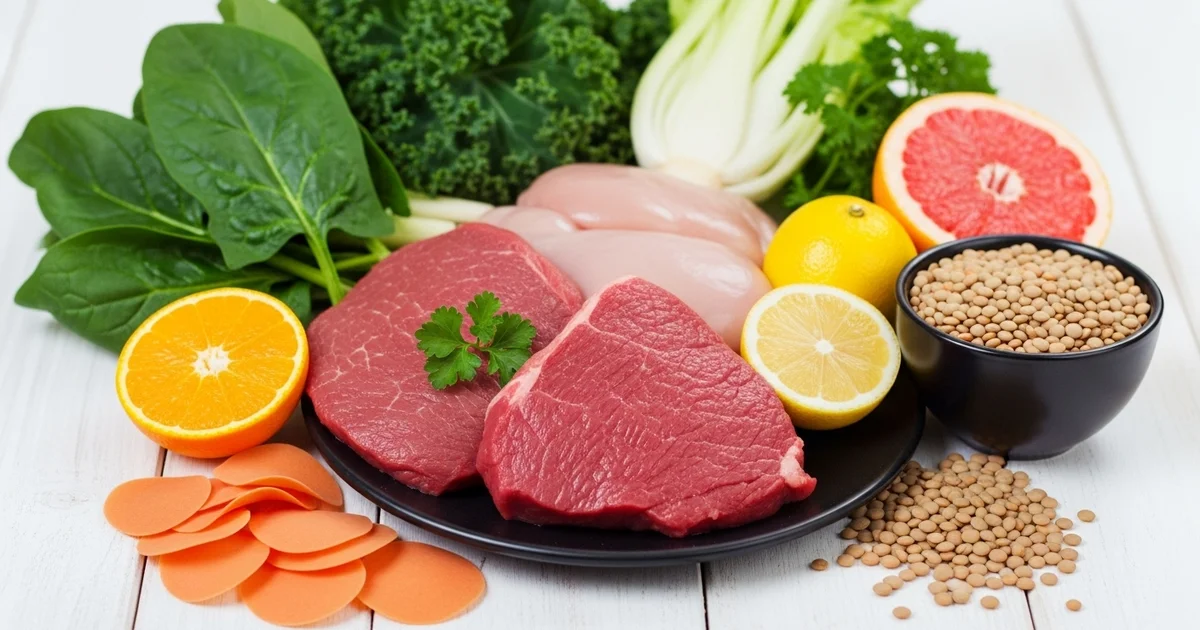
Direct answer: Certain foods can naturally support healthy platelet production. Nutrients like vitamin B12, folate, iron, and vitamin C are crucial for this process. Foods rich in these vitamins and minerals include leafy greens, lean meats, citrus fruits, lentils, and fortified cereals. Incorporating a balanced diet with these specific foods can help your body maintain or increase its platelet count. Always consult a healthcare provider for medical advice regarding low platelet levels (thrombocytopenia) before making significant dietary changes.
TL;DR A well-balanced diet rich in specific vitamins and minerals can play a supportive role in maintaining a healthy platelet count. Platelets, or thrombocytes, are essential for blood clotting, and their production can be influenced by your nutritional intake. Focusing on foods high in key nutrients like folate, vitamin B12, iron, and vitamin C can help your body create the cells it needs.
Folate (Vitamin B9): Essential for cell division and growth, folate is critical for producing healthy platelets. Find it in foods like leafy greens (spinach, kale), asparagus, beans, lentils, and enriched grains.
Vitamin B12: This vitamin is necessary for the formation of red blood cells and platelets. Major sources include animal products like lean meat, fish, eggs, and dairy. Vegans may need fortified foods or supplements.
Iron: Iron deficiency is a common cause of anemia and can also affect platelet levels. Boost your intake with lean red meat, poultry, fish, beans, tofu, and iron-fortified cereals.
Vitamin C: While it doesn't directly produce platelets, Vitamin C helps them function correctly and improves your body's ability to absorb iron. Good sources include citrus fruits, bell peppers, strawberries, broccoli, and kiwi.
Vitamin K: Known for its role in blood clotting, Vitamin K helps activate proteins necessary for clot formation. It's abundant in leafy greens like kale and spinach, as well as broccoli and soybeans.
Want the full explanation? Keep reading ↓
Worried About Your Platelet Count? Understanding How Diet Plays a Role
Platelets, or thrombocytes, are tiny, disc-shaped cell fragments in your blood that play a monumental role in your body's ability to heal. When you get a cut, platelets rush to the site, clumping together to form a plug that stops the bleeding—a process called hemostasis. A healthy platelet count is essential for this vital function.
While numerous medical conditions and treatments can affect platelet levels, your diet provides the fundamental building blocks your body needs for platelet production. Certain vitamins and minerals are critical for the bone marrow to create and mature these essential cells. Incorporating specific nutrient-rich foods can be a powerful, supportive strategy for maintaining a healthy platelet count, especially when advised by your healthcare provider.
It's crucial to understand that while diet can support platelet health, it is not a substitute for medical treatment for underlying conditions. If you have concerns about your platelet levels, consulting a doctor for a proper diagnosis and management plan is the first and most important step.
What's a Normal Platelet Count? Interpreting Your Lab Results
Before exploring dietary strategies, it's important to understand what a healthy platelet count looks like. A doctor can order a simple blood test called a Complete Blood Count (CBC), which includes a [platelet count test to measure your blood's clotting ability]. The results are measured in the number of platelets per microliter (mcL) of blood.
While ranges can vary slightly between laboratories, a standard reference is used to identify whether your count is within a healthy range. Understanding the [normal platelet range helps distinguish between thrombocytopenia (low count) and thrombocytosis (high count)], both of which require medical evaluation.
| Population | Normal Range | Units | Notes |
|---|---|---|---|
| Adults | 150,000 - 450,000 | platelets/mcL | This is the standard range for most healthy adults. |
| Newborns (0-1 month) | 150,000 - 350,000 | platelets/mcL | Levels can be slightly lower and more variable after birth. |
| Children (1 month - 18 years) | 150,000 - 450,000 | platelets/mcL | Generally aligns with adult ranges after the neonatal period. |
| Pregnant Women | Can be lower | platelets/mcL | Gestational thrombocytopenia is common and usually mild. |
Nutrients Your Body Needs for Healthy Platelet Production
Your bone marrow is a factory for blood cells, and like any factory, it needs a steady supply of raw materials. Specific nutrients are non-negotiable for the complex process of creating platelets (thrombopoiesis). Focusing on foods rich in these key vitamins and minerals can provide your body with the support it needs.
Is a Vitamin B12 Deficiency Affecting Your Platelets?
The Problem: You might have unexplained fatigue, weakness, or notice easy bruising, which could be linked to a low platelet count. A deficiency in Vitamin B12 can disrupt the body's ability to produce healthy blood cells, including platelets.
The Solution: Vitamin B12 is essential for DNA synthesis and the division of all cells, including the large bone marrow cells (megakaryocytes) that break apart to form platelets. Without enough B12, blood cell production can falter, potentially leading to thrombocytopenia.
Foods to Include for Vitamin B12:
- Animal-Based (Highest Concentration):
- Beef liver
- Clams and oysters
- Fish (tuna, salmon, trout)
- Beef and other red meats
- Eggs
- Dairy products (milk, yogurt, cheese)
- Plant-Based (Fortified):
- Fortified breakfast cereals
- Fortified non-dairy milks (soy, almond, oat)
- Nutritional yeast
Could Folate (Vitamin B9) Be the Missing Piece?
The Problem: Similar to a B12 deficiency, a lack of folate can lead to megaloblastic anemia and may also impact platelet counts, contributing to fatigue and bleeding risks.
The Solution: Folate, the natural form of Vitamin B9, works hand-in-hand with Vitamin B12. It is a critical co-factor in DNA and RNA synthesis, which is vital for the rapid cell division required to produce millions of new platelets every day.
Foods to Include for Folate:
- Dark Leafy Greens: Spinach, kale, romaine lettuce, collard greens
- Legumes: Lentils, black-eyed peas, pinto beans, chickpeas
- Vegetables: Asparagus, Brussels sprouts, broccoli
- Fruits: Oranges, bananas, papayas
- Fortified Foods: Enriched bread, pasta, and rice
Feeling Fatigued and Bruising Easily? The Iron-Platelet Connection
The Problem: You're experiencing classic signs of anemia like fatigue, pale skin, and shortness of breath, and you might also notice changes in bruising or bleeding.
The Solution: Iron is a cornerstone of hematopoiesis—the production of all blood cells. While its role in producing red blood cells is well-known, iron is also essential for the maturation and function of all hematopoietic stem cells in the bone marrow, including those that give rise to platelets. Severe iron-deficiency anemia can sometimes be associated with a low platelet count.
Foods to Include for Iron:
- Heme Iron (More easily absorbed):
- Lean red meat
- Poultry (especially dark meat)
- Oysters and shellfish
- Canned sardines
- Non-Heme Iron (Plant-based):
- Lentils and beans
- Spinach and kale
- Tofu
- Fortified cereals
- Pumpkin seeds
Pro-Tip: To boost the absorption of non-heme iron, pair it with a food high in Vitamin C. For example, have a spinach salad with bell peppers and a lemon vinaigrette.
Worried About Bleeding? How Vitamin K Supports Clotting
The Problem: You have a normal platelet count, but you still seem to bruise or bleed more than usual. This could indicate an issue with clotting factor function, not just platelet numbers.
The Solution: Vitamin K plays a slightly different but equally critical role. It does not directly increase platelet production. Instead, it is essential for synthesizing several proteins known as clotting factors. These factors work in a complex cascade with platelets to form a stable, strong blood clot. Without enough Vitamin K, your platelets can form an initial plug, but the clotting process may not complete effectively.
Foods to Include for Vitamin K:
- Leafy Green Vegetables (Highest Concentration):
- Kale
- Collard greens
- Spinach
- Turnip greens
- Other Vegetables:
- Broccoli
- Brussels sprouts
- Cabbage
Important Note: If you are taking blood-thinning medication like warfarin, do not suddenly change your Vitamin K intake without consulting your doctor, as it can interfere with your medication's effectiveness.
Foods and Substances That May Negatively Affect Platelets
Just as some foods can help, others can potentially have a negative impact on platelet count or function, especially when consumed in excess. If you have a [low platelet count and are concerned about bruising and bleeding, treatment] and dietary awareness are key.
Could Your Drink Be Lowering Your Platelets?
The Problem: You have a low platelet count, and your doctor is trying to identify the cause. Your lifestyle habits, including what you drink, are an important part of the puzzle.
The Solution: Be mindful of certain beverages that can interfere with platelet production or function.
- Alcohol: Chronic heavy alcohol consumption is a well-documented cause of reversible thrombocytopenia. Alcohol directly suppresses bone marrow activity, reducing the production of platelets and other blood cells. Reducing or eliminating alcohol intake often allows the bone marrow to recover and platelet counts to normalize.
- Quinine: Found in tonic water and some leg cramp medications, quinine can, in rare cases, cause a severe, drug-induced immune reaction that rapidly destroys platelets. While this is not common, it's a known potential cause of sudden, severe thrombocytopenia.
- Aspartame: Some anecdotal reports and limited case studies have suggested a link between the artificial sweetener aspartame and low platelet counts. However, large-scale scientific evidence to confirm this link is lacking. If you have unexplained thrombocytopenia and consume large amounts of aspartame, your doctor might suggest eliminating it to see if your count improves.
Sample Meal Plan to Support Platelet Health
Creating a diet to support platelet production doesn't have to be complicated. It's about consistently choosing nutrient-dense foods. Here is a sample one-day meal plan focusing on key nutrients.
| Meal | Food Ideas | Key Nutrients Provided |
|---|---|---|
| Breakfast | Oatmeal made with fortified milk, topped with strawberries, and pumpkin seeds. A small glass of orange juice. | Iron, Vitamin C, Folate, Vitamin B12 (from fortified milk) |
| Lunch | Large spinach salad with grilled chicken breast, chickpeas, bell peppers, and a light vinaigrette. | Iron, Folate, Vitamin C, Vitamin K |
| Snack | Greek yogurt with a handful of berries. | Vitamin B12, Vitamin C |
| Dinner | Baked salmon with a side of steamed broccoli and quinoa. | Vitamin B12, Iron, Vitamin K |
This meal plan is a general guideline. It's always best to tailor your diet to your specific needs, preferences, and any medical advice you've received from your healthcare team. The goal is to create a sustainable eating pattern that nourishes your body and supports optimal bone marrow function.
Frequently Asked Questions
What is the most common cause of abnormal Platelet Count (PLT) levels?
The causes are vast and can range from temporary to chronic. For low platelet counts (thrombocytopenia), common causes include viral infections (like dengue or mononucleosis), autoimmune diseases (like ITP), medication side effects, liver disease, and bone marrow disorders. For high platelet counts (thrombocytosis), causes can include infection, inflammation, iron deficiency, or a primary bone marrow condition called essential thrombocythemia.
How often should I get my Platelet Count (PLT) tested?
For a healthy individual with no symptoms, a platelet count is typically checked as part of a routine Complete Blood Count (CBC) during a physical exam, which may be every 1-3 years. If you have a known medical condition affecting platelets, are undergoing chemotherapy, or are taking medications that can impact blood counts, your doctor will establish a specific monitoring schedule, which could be as frequent as daily or weekly.
Can lifestyle changes improve my Platelet Count (PLT) levels?
Yes, to an extent. If a low platelet count is due to a nutritional deficiency (like B12 or folate), improving your diet can directly correct the issue. If it's caused by excessive alcohol use, stopping alcohol can lead to significant improvement. However, for most primary hematologic or autoimmune conditions, lifestyle and diet are supportive measures, while medical treatment prescribed by a hematologist is the primary therapy.
Medical Disclaimer
This article is for educational purposes only. Always consult a healthcare professional.