How to Increase Hemoglobin Levels Naturally
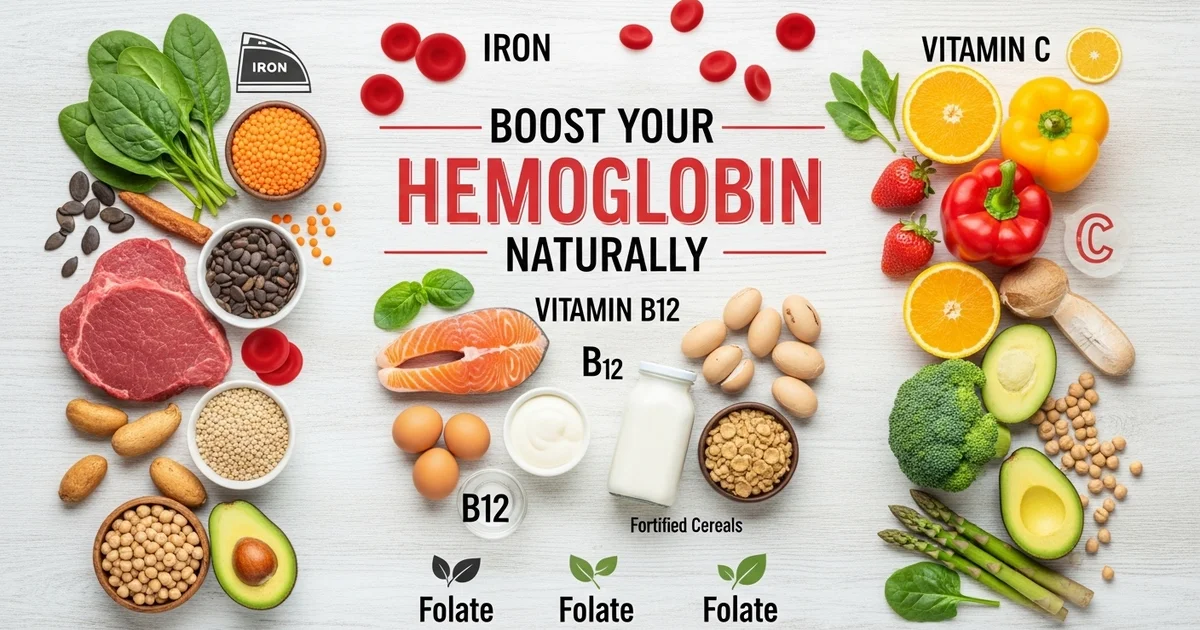
Direct answer: To increase hemoglobin naturally, focus on a diet rich in iron, vitamin C, B12, and folate. Combining iron-rich foods like meat or lentils with vitamin C sources like citrus fruits significantly boosts iron absorption. These nutrients are essential for your body to produce healthy red blood cells and improve oxygen transport, which can help reduce fatigue.
TL;DR Hemoglobin is a protein in red blood cells that carries oxygen throughout your body. Low levels can cause fatigue, weakness, and shortness of breath, a condition known as anemia. You can often raise your hemoglobin naturally by eating specific nutrients that are essential for red blood cell production. The most important of these is iron, but vitamins C, B12, and folate also play crucial roles.
- Eat More Iron-Rich Foods: Include heme iron from animal sources like red meat, poultry, and fish, which is easily absorbed. For plant-based non-heme iron, choose lentils, beans, spinach, and fortified cereals.
- Pair Iron with Vitamin C: Vitamin C dramatically improves the absorption of non-heme (plant-based) iron. Add bell peppers to a bean salad, squeeze lemon on spinach, or drink orange juice with your fortified breakfast cereal.
- Get Enough B Vitamins: Vitamin B12 (from meat, dairy, eggs) and Folate (from leafy greens, legumes) are vital for producing healthy red blood cells. Deficiencies in either can lead to anemia.
- Avoid Iron Blockers with Meals: Substances in coffee, tea (tannins), and high-dose calcium supplements can interfere with iron absorption. Try to consume these between meals rather than with your iron-rich foods.
- Stay Hydrated and Exercise: Regular moderate exercise can stimulate red blood cell production, while proper hydration ensures healthy blood volume and circulation.
- Know When to See a Doctor: If you have severe symptoms or your levels don't improve, consult a doctor. Low hemoglobin can signal underlying conditions that require medical treatment.
Want the full explanation? Keep reading ↓
Hemoglobin (Hb) is a critical protein found in red blood cells that plays an indispensable role in transporting oxygen from the lungs to all tissues and organs throughout the body. When hemoglobin levels are low, the body's tissues may not receive enough oxygen, leading to a condition known as anemia. This can result in a range of symptoms, including fatigue, weakness, shortness of breath, dizziness, and pale skin. Understanding what exactly hemoglobin is and its function in red blood cells is the first step towards appreciating its importance. While medical intervention is often necessary for severe cases, many individuals can significantly improve their hemoglobin levels through natural dietary and lifestyle adjustments. This article will explore evidence-based strategies to naturally boost your hemoglobin.
Understanding Hemoglobin and Anemia
Hemoglobin is primarily composed of four protein chains, each containing a heme group with an iron atom at its center. It's this iron atom that binds to oxygen, giving blood its characteristic red color. A sufficient level of hemoglobin is essential for maintaining energy, supporting organ function, and ensuring overall well-being.
Low hemoglobin, or anemia, can arise from various causes, including nutritional deficiencies (most commonly iron deficiency), chronic diseases, genetic conditions, blood loss, and impaired red blood cell production. Regardless of the underlying cause, the goal of increasing hemoglobin is to restore the body's oxygen-carrying capacity.
Diagnosing Low Hemoglobin
The diagnosis of low hemoglobin is typically made through a Complete Blood Count (CBC), a common blood test that measures various components of your blood, including red blood cells, white blood cells, and platelets. The CBC provides a hemoglobin value, which your healthcare provider compares against standard hemoglobin reference ranges by age and sex to determine if your levels are within a healthy spectrum.
It's crucial to consult a healthcare professional for an accurate diagnosis if you suspect you have low hemoglobin. Self-diagnosis and self-treatment can be risky, as the cause of low hemoglobin needs to be identified to ensure appropriate and effective management.
Hemoglobin Reference Ranges
The following table outlines general reference ranges for hemoglobin. It's important to note that these values can vary slightly between laboratories and may be influenced by factors such as altitude, hydration status, and pregnancy.
| Population | Normal Range | Units | Notes |
|---|---|---|---|
| Adult Men | 13.5-17.5 | g/dL | Varies slightly by lab |
| Adult Women | 12.0-15.5 | g/dL | Lower in premenopausal |
| Children (6-12 years) | 11.5-15.5 | g/dL | Age-dependent |
| Infants (1-3 months) | 9.0-14.0 | g/dL | Higher at birth, then drops |
Disclaimer: These ranges are general guidelines. Always refer to your lab report's specific reference ranges and consult your doctor for interpretation.
Key Nutrients for Hemoglobin Production
To naturally increase hemoglobin levels, focusing on a diet rich in specific nutrients essential for red blood cell and hemoglobin synthesis is paramount.
1. Iron
Iron is the most critical nutrient for hemoglobin production. Without adequate iron, the body cannot produce enough heme, which is a core component of hemoglobin. Iron deficiency is the most common cause of anemia worldwide.
- Heme Iron: Found in animal products, heme iron is highly bioavailable, meaning it's easily absorbed by the body.
- Sources: Red meat (beef, lamb, venison), poultry (chicken, turkey), fish (salmon, tuna), and shellfish (clams, oysters, mussels).
- Non-Heme Iron: Found in plant-based foods and fortified products. Its absorption is influenced by other dietary factors.
- Sources: Legumes (lentils, beans, chickpeas), spinach, kale, fortified cereals, tofu, pumpkin seeds, quinoa, broccoli, and dark chocolate.
2. Vitamin C
Vitamin C (ascorbic acid) significantly enhances the absorption of non-heme iron when consumed together. It converts non-heme iron into a more absorbable form.
- Sources: Citrus fruits (oranges, grapefruits), bell peppers, strawberries, kiwi, broccoli, tomatoes, and leafy greens.
3. Vitamin B12
Vitamin B12 (cobalamin) is vital for the formation of red blood cells and DNA synthesis. A deficiency can lead to megaloblastic anemia, where red blood cells are abnormally large and unable to function properly.
- Sources: Animal products exclusively, including meat, fish, poultry, eggs, and dairy products. Fortified cereals and nutritional yeast are options for vegetarians and vegans.
4. Folate (Vitamin B9)
Folate, like Vitamin B12, is essential for red blood cell maturation and DNA synthesis. Folate deficiency can also cause megaloblastic anemia.
- Sources: Leafy green vegetables (spinach, kale), asparagus, broccoli, legumes, fortified grains, citrus fruits, and avocados.
5. Copper
Copper plays an indirect but important role in iron metabolism. It helps the body absorb iron and utilize it to make hemoglobin. Copper deficiency can lead to iron deficiency anemia, even if iron intake is adequate.
- Sources: Shellfish, nuts (cashews, almonds), seeds (sesame, sunflower), whole grains, mushrooms, and dark chocolate.
6. Vitamin A
Vitamin A is involved in iron mobilization from storage sites and helps regulate red blood cell development. Deficiency can exacerbate iron deficiency anemia.
- Sources: Carrots, sweet potatoes, spinach, kale, bell peppers, liver, and eggs.
Dietary Strategies to Boost Hemoglobin
Implementing a diet rich in the nutrients listed above is the cornerstone of naturally increasing hemoglobin levels.
1. Prioritize Iron-Rich Foods
- Include Heme Iron Regularly: If your diet permits, incorporate lean red meat, poultry, or fish a few times a week. These are excellent sources of highly absorbable iron.
- Maximize Non-Heme Iron Intake: For vegetarians, vegans, or those limiting meat, focus on a wide variety of plant-based iron sources.
- Examples: A large bowl of lentil soup, a spinach salad with chickpeas, fortified cereals for breakfast, or tofu stir-fries.
2. Pair Iron with Vitamin C
Always combine non-heme iron sources with Vitamin C-rich foods to significantly enhance iron absorption.
- Examples:
- Add bell peppers or tomatoes to your lentil soup.
- Squeeze lemon juice over spinach or kale.
- Enjoy a glass of orange juice with your fortified cereal.
- Have strawberries or kiwi as a dessert after a bean-based meal.
3. Ensure Adequate B Vitamins
- Vitamin B12: If you're vegetarian or vegan, ensure you're consuming fortified foods (plant milks, cereals, nutritional yeast) or consider a B12 supplement under medical guidance.
- Folate: Regularly include leafy greens, legumes, and fortified grains in your diet. Cooking methods can affect folate content, so aim for fresh or lightly cooked options.
4. Limit Iron Absorption Inhibitors
Certain substances can hinder iron absorption. While not all need to be completely avoided, being mindful of their consumption, especially around iron-rich meals, can be beneficial.
- Phytates: Found in whole grains, legumes, and nuts. Soaking, sprouting, and fermenting can reduce phytate content.
- Tannins: Present in tea (especially black tea), coffee, and some red wines. Try to consume these beverages between meals rather than with them.
- Calcium: High amounts of calcium, particularly from supplements, can interfere with iron absorption. If taking calcium supplements, space them out from iron-rich meals.
- Oxalates: Found in spinach, kale, and beets. While these foods also contain iron, their oxalate content can slightly reduce absorption. Pairing them with Vitamin C helps counteract this.
5. Balanced and Diverse Diet
Beyond specific nutrients, a generally healthy, balanced, and diverse diet supports overall health, including optimal red blood cell production. Focus on whole foods, plenty of fruits and vegetables, lean proteins, and healthy fats.
Lifestyle Factors Supporting Hemoglobin Levels
While diet is primary, certain lifestyle factors can also contribute to healthy hemoglobin levels and overall well-being.
1. Stay Hydrated
Proper hydration is crucial for overall health, including blood volume and circulation. While dehydration itself can lead to artificially high hemoglobin levels, giving a misleading impression of healthy blood, consistent hydration ensures your blood can effectively transport oxygen and nutrients. It's important to understand that conditions like dehydration can temporarily elevate hemoglobin readings, masking potential underlying issues, as discussed in detail regarding high hemoglobin levels related to dehydration, smoking, and polycythemia. Therefore, maintaining a balanced fluid intake is key for accurate assessment and general health.
2. Regular Exercise
Moderate, regular exercise stimulates the production of red blood cells to meet the body's increased oxygen demand. This can naturally lead to a modest increase in hemoglobin levels over time. Start slowly and gradually increase intensity and duration.
3. Adequate Sleep
Quality sleep is essential for the body's repair and regeneration processes, including the production of blood cells. Chronic sleep deprivation can negatively impact overall health and potentially hinder the body's ability to maintain optimal hemoglobin levels.
4. Avoid Excessive Alcohol
Excessive alcohol consumption can interfere with nutrient absorption, particularly folate and Vitamin B12, and can directly suppress red blood cell production in the bone marrow. Limiting alcohol intake can support better hemoglobin levels.
When to Seek Medical Advice
While natural strategies are effective for many, it's crucial to understand their limitations. If you have significantly low hemoglobin, severe symptoms of anemia, or if your hemoglobin levels do not improve despite dietary and lifestyle changes, it is imperative to consult a healthcare professional.
- Underlying Conditions: Low hemoglobin can be a symptom of a more serious underlying condition, such as chronic blood loss (e.g., from gastrointestinal bleeding or heavy menstrual periods), kidney disease, inflammatory diseases, or certain cancers. These conditions require medical diagnosis and specific treatment.
- Iron Supplements: In cases of diagnosed iron deficiency anemia, your doctor may recommend iron supplements. These are typically more potent than dietary iron and can rapidly replete iron stores. However, iron supplements should only be taken under medical supervision, as excessive iron can be harmful.
- Monitoring: Regular monitoring of your hemoglobin levels through blood tests is essential to track progress and adjust treatment plans as needed.
Increasing hemoglobin levels naturally is a holistic process that involves a nutrient-rich diet, smart eating habits, and a healthy lifestyle. By focusing on iron, Vitamin C, B vitamins, and other supporting nutrients, and by making conscious lifestyle choices, you can significantly contribute to better blood health and overall vitality. Always remember to work with your healthcare provider to ensure your approach is safe, effective, and tailored to your individual needs.
Frequently Asked Questions
What is the most common cause of abnormal Hemoglobin (Hb) levels?
The most common cause of abnormally low hemoglobin levels is iron deficiency, leading to iron deficiency anemia. This can result from inadequate dietary iron intake, poor iron absorption, or chronic blood loss (e.g., heavy menstrual periods, gastrointestinal bleeding). Other common causes include deficiencies in Vitamin B12 or folate, chronic diseases, and certain genetic conditions. For abnormally high hemoglobin levels, common causes include dehydration, smoking, high altitude living, and certain medical conditions like polycythemia vera. A thorough medical evaluation is necessary to determine the specific cause of any abnormal Hb level.
How often should I get my Hemoglobin (Hb) tested?
The frequency of hemoglobin testing depends on your individual health status, risk factors, and any existing medical conditions.
- Routine Check-ups: For generally healthy adults without known risk factors, hemoglobin is usually part of a routine Complete Blood Count (CBC) performed during an annual physical exam, often every 1-3 years.
- High-Risk Individuals: Individuals with risk factors for anemia (e.g., pregnant women, those with heavy menstrual bleeding, vegetarians/vegans, individuals with chronic diseases like kidney disease or inflammatory bowel disease, or those with a history of anemia) may require more frequent testing, as advised by their doctor.
- Monitoring Treatment: If you are being treated for anemia or another condition affecting blood count, your doctor will likely recommend regular hemoglobin tests to monitor the effectiveness of treatment and adjust it as needed. Always follow your healthcare provider's recommendations for testing frequency.
Can lifestyle changes improve my Hemoglobin (Hb) levels?
Yes, lifestyle changes can significantly improve hemoglobin levels, particularly when the low levels are due to nutritional deficiencies or modifiable habits. The most impactful changes involve dietary adjustments, such as increasing the intake of iron-rich foods (both heme and non-heme iron), pairing non-heme iron with Vitamin C to enhance absorption, and ensuring adequate intake of Vitamin B12 and folate. Limiting substances that inhibit iron absorption (like tannins in tea/coffee and excessive calcium during meals) can also help. Additionally, staying well-hydrated, engaging in moderate regular exercise, getting sufficient sleep, and avoiding excessive alcohol consumption can support overall blood health and contribute to better hemoglobin levels. However, it's crucial to note that while lifestyle changes are powerful, they may not be sufficient for severe anemia or anemia caused by underlying medical conditions, which require professional medical intervention.
Medical Disclaimer
This article is for educational purposes only. Always consult a healthcare professional.