Understanding Your MCV Results: A Clear Guide to Next Steps
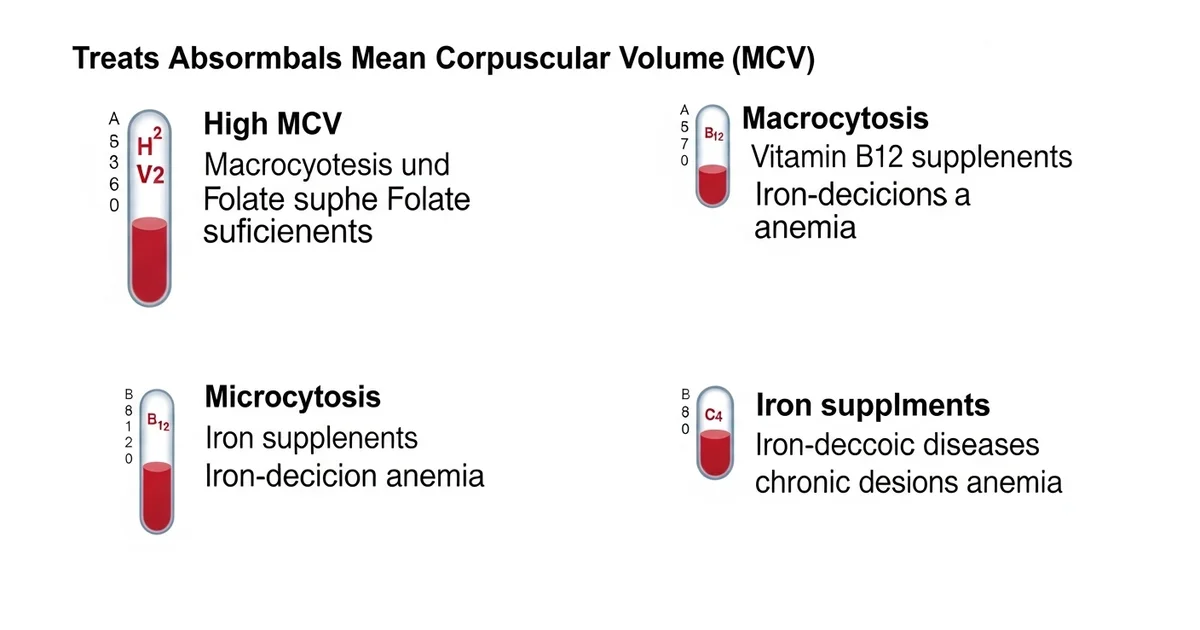
Direct answer: Treating abnormal Mean Corpuscular Volume (MCV) levels involves addressing the underlying cause identified by your doctor. High MCV (macrocytosis) is often treated with vitamin B12 or folate supplements if a deficiency is the cause. Low MCV (microcytosis) treatment may involve iron supplements for iron-deficiency anemia or managing chronic diseases. All treatment plans must be guided by a healthcare professional based on a complete diagnosis, as self-treatment can be harmful and mask serious conditions.
TL;DR Mean Corpuscular Volume (MCV) is a standard part of a complete blood count (CBC) that measures the average size of your red blood cells. Abnormal results—either high (macrocytic) or low (microcytic)—are not a diagnosis but a sign that points your doctor toward a potential underlying health issue. Treatment focuses entirely on correcting that root cause, not just the MCV number itself. A comprehensive evaluation is always the first step.
High MCV (Macrocytosis): This means your red blood cells are larger than normal. Common causes include vitamin B12 or folate deficiency, liver disease, alcoholism, or certain medications. Treatment often involves dietary changes or supplements like B12 injections or folic acid pills.
Low MCV (Microcytosis): This indicates your red blood cells are smaller than normal. The most frequent cause is iron-deficiency anemia, but it can also result from thalassemia (an inherited blood disorder) or anemia of chronic disease.
Treatment is Specific: Your doctor will use your MCV value along with other lab results (like RDW, MCH, and hemoglobin) to pinpoint the exact problem. For example, low MCV with low ferritin strongly suggests iron deficiency, which is treated with iron supplements.
Lifestyle and Diet Matter: For deficiencies, treatment includes dietary adjustments. Folate is found in leafy greens, B12 in animal products, and iron in red meat and fortified cereals. Your doctor will advise on the best approach for you.
Follow-Up is Crucial: After starting treatment, your doctor will order follow-up blood tests to ensure your MCV and other blood cell markers are returning to a normal range and that the underlying condition is being managed effectively.
Want the full explanation? Keep reading ↓
Understanding Your MCV Results: What's Normal?
Mean Corpuscular Volume (MCV) is a standard measurement included in a Complete Blood Count (CBC) test. It indicates the average size of your red blood cells. An abnormal MCV is a crucial clue for your healthcare provider, helping to narrow down the potential causes of conditions like anemia, fatigue, or other underlying health issues.
While MCV is a powerful diagnostic tool, it's important to remember that treatment is never aimed at the number itself. Instead, a high or low MCV points toward a specific medical condition that requires a targeted treatment plan. Understanding the [normal MCV range and the definitions of microcytic, normocytic, and macrocytic] results is the first step in decoding your lab report.
The "normal" range for MCV can vary slightly between laboratories and across different age groups. Below is a table of typical reference ranges. Always compare your results to the specific range provided by the lab that performed your test.
| Population | Normal Range | Units | Notes |
|---|---|---|---|
| Adults & Adolescents | 80 - 100 | fL | Some labs may use a slightly narrower range, such as 80-96 fL. |
| Children (6-12 years) | 77 - 95 | fL | Red blood cell size gradually increases throughout childhood. |
| Children (1-5 years) | 75 - 90 | fL | Values can vary significantly in the first year of life. |
| Newborns (0-30 days) | 95 - 121 | fL | Newborns naturally have much larger red blood cells. |
fL = femtoliter, a unit of volume
Your MCV is High: A Step-by-Step Guide to Treatment
A high MCV level, known as macrocytosis, means your red blood cells are larger than normal. This is often a sign that the red blood cells are not maturing properly in the bone marrow. Treatment for macrocytosis is entirely dependent on identifying and addressing the root cause.
The most common causes are vitamin deficiencies and lifestyle factors, but other medical conditions can also be responsible. For a detailed overview of what causes elevated levels, it's helpful to understand the connection between [high MCV, macrocytosis, and issues with B12, folate, and alcohol].
Addressing Vitamin B12 Deficiency
When your body lacks sufficient vitamin B12, it cannot properly synthesize DNA, which is essential for red blood cell division and maturation. This leads to the production of large, immature red blood cells.
Treatment Strategies:
- Supplementation: This is the cornerstone of treatment. The method depends on the cause of the deficiency.
- B12 Injections (Hydroxocobalamin or Cyanocobalamin): Required for individuals with absorption problems, such as pernicious anemia, Crohn's disease, or a history of gastric surgery. Injections bypass the digestive system entirely.
- High-Dose Oral B12: Effective for many, even some with absorption issues, as a small amount can be absorbed passively.
- Sublingual (Under-the-Tongue) Tablets or Nasal Sprays: Alternative delivery methods that may offer better absorption than standard oral pills for some individuals.
- Dietary Adjustments: For mild deficiencies not caused by absorption issues, increasing B12 intake through food can help.
- Animal Products: Clams, beef liver, fish (tuna, salmon), meat, poultry, and dairy are excellent sources.
- Fortified Foods: Many breakfast cereals, plant-based milks, and nutritional yeasts are fortified with B12.
Correcting Folate (Vitamin B9) Deficiency
Similar to vitamin B12, folate is critical for DNA synthesis and red blood cell production. A deficiency results in megaloblastic anemia, a type of macrocytic anemia.
Treatment Strategies:
- Folic Acid Supplementation: Daily oral folic acid supplements are highly effective and rapidly correct the deficiency. Your doctor will prescribe the appropriate dose.
- Dietary Improvements: A diet rich in folate can prevent recurrence and support overall health.
- Leafy Green Vegetables: Spinach, kale, and romaine lettuce.
- Legumes: Lentils, beans, and peas.
- Fortified Grains: In many countries, bread, pasta, and cereals are fortified with folic acid to prevent deficiency.
- Other Sources: Asparagus, broccoli, and avocado.
- Special Consideration: Adequate folate is crucial before and during pregnancy to prevent neural tube defects in the developing fetus.
Managing Alcohol-Related Macrocytosis
Excessive alcohol consumption is a common cause of a high MCV. Alcohol has a direct toxic effect on the bone marrow, impairing red blood cell production. It can also interfere with the absorption and metabolism of folate and B12, further contributing to the problem.
Treatment Focus:
- Abstinence or Reduction: The primary and most effective treatment is to stop or significantly reduce alcohol intake. For many, the MCV will begin to normalize within 2-4 months of sobriety.
- Nutritional Support: Chronic alcohol use often leads to widespread nutritional deficiencies. A comprehensive plan should include:
- A balanced diet.
- A multivitamin.
- Specific supplementation with B vitamins, especially thiamine and folate.
- Medical and Psychological Support: Addressing alcohol use disorder may require a comprehensive program including counseling, support groups (like Alcoholics Anonymous), and medical supervision.
What if Medications, Liver Disease, or Hypothyroidism are the Cause?
Sometimes, a high MCV is a side effect of another condition or its treatment.
| Condition / Cause | Explanation | Treatment Approach |
|---|---|---|
| Medications | Certain drugs (e.g., hydroxyurea, zidovudine, some chemotherapies, and anticonvulsants) can interfere with DNA synthesis. | Do not stop any medication without consulting your doctor. Your physician will evaluate if the high MCV is a concern and may adjust the dose or find an alternative drug. |
| Liver Disease | Chronic liver disease can alter the lipid composition of the red blood cell membrane, causing them to become larger. | Treatment focuses on managing the underlying liver condition, whether it's viral hepatitis, fatty liver disease, or cirrhosis. This may involve lifestyle changes, medications, or other specialized care. |
| Hypothyroidism | An underactive thyroid can cause macrocytosis, though the exact mechanism is not fully understood. | The treatment is thyroid hormone replacement therapy, typically with a daily medication called levothyroxine. This corrects the hormonal imbalance, and the MCV usually normalizes as thyroid function is restored. |
Your MCV is Low: How to Restore Normal Red Blood Cell Size
A low MCV level, known as microcytosis, means your red blood cells are smaller than average. This typically happens when your body cannot produce enough hemoglobin, the iron-rich protein that carries oxygen in your blood. Without enough hemoglobin to "fill" them, red blood cells end up small and often pale (hypochromic).
The treatment for microcytosis is centered on correcting the specific cause of impaired hemoglobin production. The [MCV blood test is essential for classifying types of anemia], with low MCV pointing directly toward microcytic anemias.
The Most Common Culprit: Iron Deficiency Anemia
This is, by far, the most frequent cause of a low MCV worldwide. It occurs when your body's iron stores are depleted, either from inadequate intake, poor absorption, or chronic blood loss.
Treatment Strategies:
- Iron Supplementation: This is the primary treatment to replenish the body's iron stores.
- Oral Iron: Usually prescribed as ferrous sulfate, ferrous gluconate, or ferrous fumarate. It's best absorbed on an empty stomach, often with a source of vitamin C (like orange juice), to enhance absorption.
- Side Effects: Common side effects include constipation, nausea, and dark stools. Your doctor can recommend strategies to manage these, such as stool softeners or trying a different form of iron.
- Intravenous (IV) Iron: Used in cases of severe anemia, ongoing blood loss, poor absorption (e.g., in celiac disease or IBD), or intolerance to oral supplements. IV iron delivers a large dose directly into the bloodstream, producing faster results.
- Investigating the Cause of Blood Loss: It is critical to find out why iron is low. This may involve:
- Screening for gastrointestinal bleeding (e.g., from ulcers or colon polyps) through stool tests or endoscopy.
- Evaluating heavy menstrual bleeding in premenopausal women.
- Dietary Changes: Consuming iron-rich foods can help maintain levels once stores are replenished.
- Heme Iron (better absorbed): Red meat, poultry, and fish.
- Non-Heme Iron: Beans, lentils, spinach, tofu, and fortified cereals.
Managing Thalassemia
Thalassemia is a group of inherited genetic disorders that impair the production of hemoglobin. The severity ranges from minor (asymptomatic carrier) to major (requiring lifelong treatment). Unlike iron deficiency, the body has plenty of iron—it just can't use it properly to make hemoglobin.
Treatment Approaches:
- Thalassemia Minor/Trait: Individuals are often asymptomatic and have only mild microcytosis. No treatment is typically needed. It's crucial to diagnose it correctly to avoid unnecessary and potentially harmful iron supplementation.
- Thalassemia Intermedia: Patients may require occasional blood transfusions during times of stress, illness, or pregnancy.
- Thalassemia Major: This is a severe condition requiring a comprehensive and lifelong treatment plan:
- Regular Blood Transfusions: The cornerstone of treatment to provide healthy red blood cells, support growth, and prevent severe anemia.
- Iron Chelation Therapy: Because frequent transfusions lead to iron overload, which is toxic to organs (heart, liver), patients must take medications (chelators) to remove the excess iron from their body.
- Folic Acid Supplementation: Often recommended to support the high rate of red blood cell production.
Treating Anemia of Chronic Disease/Inflammation
Long-term inflammatory conditions, such as rheumatoid arthritis, chronic kidney disease, or persistent infections, can interfere with how the body uses iron. The body may have adequate iron stores, but the inflammation "hides" it from the bone marrow, preventing its use in making red blood cells. This can lead to a low (or sometimes normal) MCV.
Treatment Focus:
- Manage the Underlying Condition: The most important step is to effectively treat the primary inflammatory disease. As inflammation subsides, the body's ability to use iron often improves, and the anemia resolves.
- Erythropoiesis-Stimulating Agents (ESAs): In some cases, particularly with chronic kidney disease, doctors may prescribe injections of drugs like epoetin alfa to stimulate the bone marrow to produce more red blood cells.
- Iron Supplementation: Oral iron is often ineffective in this condition. IV iron may be used cautiously if a true coexisting iron deficiency is identified.
Frequently Asked Questions
What is the most common cause of abnormal Mean Corpuscular Volume (MCV) levels?
The most common causes differ for high and low MCV.
- For a low MCV (microcytosis), the most common cause globally is iron deficiency anemia. This can result from dietary insufficiency, poor absorption, or chronic blood loss (such as from heavy menstruation or gastrointestinal bleeding).
- For a high MCV (macrocytosis), the most common causes are deficiencies in vitamin B12 or folate (vitamin B9). Excessive alcohol consumption is another very frequent cause, as it is directly toxic to the bone marrow and interferes with folate metabolism.
How often should I get my Mean Corpuscular Volume (MCV) tested?
For healthy individuals with no symptoms, MCV is typically checked as part of a routine physical exam with a Complete Blood Count (CBC), which may be every 1-3 years. If you have an abnormal MCV or are being treated for a condition that causes it, your doctor will recommend more frequent monitoring. For example, when starting iron therapy for iron deficiency, a follow-up CBC may be ordered in 2-3 months to assess the treatment's effectiveness.
Can lifestyle changes improve my Mean Corpuscular Volume (MCV) levels?
Yes, absolutely, but it depends on the underlying cause.
- For High MCV: If caused by alcohol, cessation or significant reduction of alcohol intake is the most effective lifestyle change and can normalize MCV over several months. If caused by a nutritional deficit, adopting a diet rich in vitamin B12 (meat, dairy, fortified foods) and folate (leafy greens, legumes) can correct the issue and prevent recurrence.
- For Low MCV: If caused by iron deficiency, increasing dietary intake of iron-rich foods (red meat, poultry, beans, spinach) is a crucial lifestyle change. Pairing these foods with a source of vitamin C (like citrus fruits or bell peppers) can enhance iron absorption. However, for significant deficiencies, dietary changes alone are often insufficient and must be combined with medical treatment like supplementation.
Medical Disclaimer
This article is for educational purposes only. Always consult a healthcare professional.