Feeling Off? Understanding Your Red Blood Cell Count
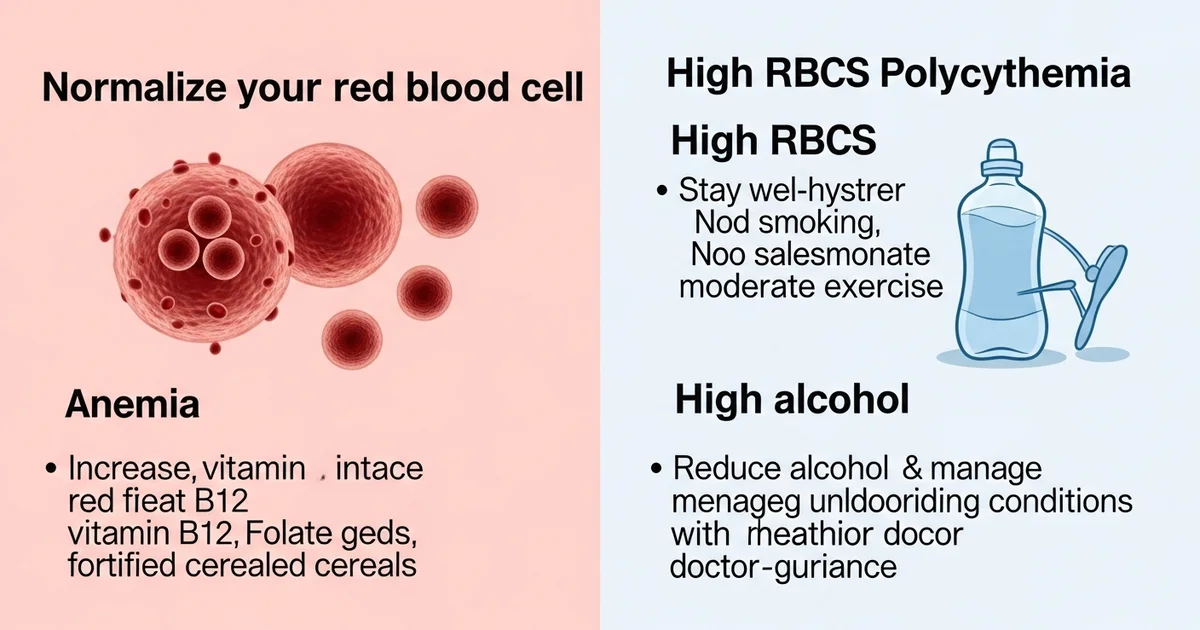
Direct answer: To normalize your red blood cell (RBC) count, focus on a balanced lifestyle. For low RBCs, increase your intake of iron, vitamin B12, and folate through foods like red meat, leafy greens, and fortified cereals. For high RBCs, stay well-hydrated, avoid smoking, and engage in moderate exercise. Reducing alcohol intake and managing underlying health conditions with your doctor's guidance is crucial for both high and low counts. Always consult a healthcare provider before making significant changes.
TL;DR A normal red blood cell (RBC) count is vital for transporting oxygen throughout your body, and lifestyle adjustments can help maintain this balance. Whether your count is too high (polycythemia) or too low (anemia), simple changes to your diet, hydration, and daily habits can make a significant difference. These strategies support your body's natural ability to regulate RBC production and function, but should always be discussed with a healthcare professional to address the root cause.
- Boost Iron and B Vitamins: For low RBCs, consume iron-rich foods like lean red meat, poultry, beans, and spinach. Incorporate sources of vitamin B12 (fish, eggs, dairy) and folate (leafy greens, citrus fruits) to support cell production.
- Stay Well-Hydrated: Dehydration can falsely elevate your RBC count by concentrating your blood. Drink plenty of water throughout the day to ensure accurate levels and support overall circulatory health.
- Engage in Moderate Exercise: Regular physical activity improves circulation and cardiovascular health, which helps regulate the body's demand for oxygen and, consequently, red blood cell production. Aim for at least 150 minutes of moderate activity per week.
- Limit or Avoid Alcohol: Excessive alcohol consumption can suppress bone marrow function, where red blood cells are made, potentially leading to anemia. Moderation is key to protecting your body's production capabilities.
- Quit Smoking: Smoking introduces carbon monoxide into the bloodstream, which reduces oxygen delivery. In response, the body may overproduce red blood cells to compensate, leading to an unhealthy high count.
- Manage Altitude Exposure: Living at high altitudes where oxygen is scarcer naturally prompts your body to produce more RBCs. If you have a high count, discuss potential risks and management strategies with your doctor.
Want the full explanation? Keep reading ↓
Understanding Your RBC Count: The First Step to Normalization
Before you can take steps to normalize your red blood cell (RBC) count, it's essential to understand what your lab report is telling you. Your RBC count is a key component of a complete blood count (CBC), measuring the number of red blood cells in a specific volume of blood. These cells are vital for transporting oxygen from your lungs to the rest of your body.
An abnormal result—either too high or too low—can be a sign of a wide range of conditions, from simple nutritional deficiencies to more serious underlying diseases. To get a clear picture, it's helpful to understand [what your red blood cell numbers mean] in the context of your overall health.
Laboratories measure RBC count in millions of cells per microliter (mcL) of blood. The "normal" range can vary based on the laboratory, the equipment used, and the population being tested. It's crucial to compare your results to the reference range provided on your specific lab report.
Red Blood Cell (RBC) Count Reference Ranges
The following table provides typical reference ranges for RBC count. However, always refer to the specific ranges provided by the laboratory that performed your test, as values can differ. Discussing your results with a healthcare provider is the only way to get an accurate interpretation.
| Population | Normal Range | Units | Notes |
|---|---|---|---|
| Adult Men | 4.5 - 5.9 | million cells/mcL | Tends to be higher than in women due to hormonal influences. |
| Adult Women | 4.0 - 5.2 | million cells/mcL | Lower ranges are common, especially in premenopausal women. |
| Children (1-6 yrs) | 4.0 - 5.5 | million cells/mcL | Ranges fluctuate significantly throughout childhood. |
| Newborns (0-2 wks) | 4.8 - 7.2 | million cells/mcL | Naturally higher at birth and decreases over the first few months. |
Understanding the [normal RBC count ranges for adults and kids] is the first step in identifying whether your levels need attention.
Low RBC Count? Key Nutrients to Support Production
A low red blood cell count, often associated with anemia, is a common clinical finding. It means your body may not be getting the oxygen it needs, leading to symptoms like fatigue, weakness, and shortness of breath. Fortunately, dietary and lifestyle adjustments can often help support your body's ability to produce healthy red blood cells, especially when the cause is nutritional.
Important: These tips are supportive. You must work with a healthcare provider to diagnose the specific cause of your anemia before starting any new supplement regimen.
Boost Your Iron Intake: The Building Block of Hemoglobin
Iron is the single most important mineral for producing hemoglobin, the protein inside red blood cells that binds to and carries oxygen. Iron deficiency is the most common cause of anemia worldwide.
Actionable Steps:
- Prioritize Heme Iron: This type of iron is found in animal products and is more easily absorbed by the body.
- Lean red meat
- Poultry (especially dark meat)
- Oysters and shellfish
- Organ meats like liver (consume in moderation)
- Include Non-Heme Iron: This type is found in plant-based foods.
- Lentils and beans
- Tofu and edamame
- Spinach and kale
- Fortified cereals and breads
- Pumpkin seeds
- Pair with Vitamin C: Vitamin C dramatically enhances the absorption of non-heme (plant-based) iron. Try to eat vitamin C-rich foods at the same meal as your iron source.
- Citrus fruits (oranges, grapefruit)
- Bell peppers
- Broccoli
- Strawberries
Don't Forget Folate (Vitamin B9): Essential for Cell Division
Folate is a B-vitamin crucial for DNA synthesis and repair. This role is especially important in the bone marrow, where cells divide rapidly to produce new red blood cells. A folate deficiency can lead to improperly formed, large, and immature red blood cells (megaloblastic anemia), reducing the blood's oxygen-carrying capacity.
Folate-Rich Foods to Add to Your Diet:
- Leafy Green Vegetables: Spinach, romaine lettuce, and turnip greens are excellent sources.
- Legumes: Lentils, black-eyed peas, and kidney beans are packed with folate.
- Asparagus: A single serving provides a significant amount of your daily needs.
- Avocado: A delicious and nutrient-dense source.
- Fortified Grains: Many breads, pastas, and cereals in the United States are fortified with folic acid (the synthetic form of folate) to prevent deficiency.
Prioritize Vitamin B12: A Partner in RBC Formation
Vitamin B12 works hand-in-hand with folate in the synthesis of DNA and the maturation of red blood cells. A deficiency in B12 can also cause megaloblastic anemia, often with neurological symptoms like numbness or tingling. Since B12 is found almost exclusively in animal products, those following a strict vegetarian or vegan diet are at higher risk of deficiency.
Sources of Vitamin B12:
- Animal Products: Meat, poultry, fish, and dairy products are the best natural sources.
- Clams and Tuna: These are particularly high in B12.
- Fortified Foods: For those on plant-based diets, look for fortified nutritional yeast, plant-based milks, and breakfast cereals.
- Supplementation: Vegans and some older adults may need to take a B12 supplement as recommended by their doctor.
Other Supporting Nutrients: Copper and Vitamin A
While iron, B12, and folate are the primary players, other micronutrients also support healthy RBC production.
- Copper: This mineral helps your body access and use stored iron to form hemoglobin. Sources include shellfish, whole grains, beans, nuts, and organ meats.
- Vitamin A (Retinol): This vitamin supports the development of stem cells in the bone marrow into red blood cells. Sources include sweet potatoes, carrots, spinach, and liver.
High RBC Count? Lifestyle Strategies for Management
A high red blood cell count, known as erythrocytosis, means you have an excess of red blood cells. This can thicken your blood, slowing its flow and increasing the risk of blood clots. While many cases are caused by underlying medical conditions that require specific treatment, certain lifestyle factors can contribute to or worsen the issue.
It is critical to understand the potential [causes and risks of a high RBC count (erythrocytosis)] by consulting with your healthcare provider. The following lifestyle tips are for management and support, not a cure.
Stay Hydrated: The Simplest Way to Balance Blood Volume
Dehydration is a common cause of relative erythrocytosis. When you don't drink enough fluids, your blood plasma volume decreases. This makes the red blood cells more concentrated, leading to a high RBC count on a lab test, even if the absolute number of cells is normal.
Hydration Checklist:
- Drink Water Consistently: Don't wait until you feel thirsty. Sip water throughout the day.
- Monitor Urine Color: Aim for a pale yellow color. Dark yellow or amber urine is a sign of dehydration.
- Increase Fluids During Exercise: Weigh yourself before and after intense exercise. For every pound lost, drink 16-24 ounces of fluid to rehydrate.
- Limit Diuretics: Caffeinated beverages and alcohol can increase urine output and contribute to dehydration. Balance them with plenty of water.
Address Underlying Oxygen Issues: Smoking and High Altitudes
Your body produces a hormone called erythropoietin (EPO) in response to low oxygen levels (hypoxia). EPO signals the bone marrow to produce more red blood cells to improve oxygen transport. Any chronic condition that lowers your oxygen levels can lead to secondary erythrocytosis.
- Quit Smoking Immediately: Smoking is a major cause of secondary erythrocytosis. Carbon monoxide in cigarette smoke binds to hemoglobin more strongly than oxygen, reducing your blood's oxygen-carrying capacity and triggering a compensatory increase in RBC production.
- Be Aware of High Altitude: Living at high altitudes, where the air has less oxygen, naturally causes the body to produce more red blood cells. While moving is not always practical, this is a key environmental factor to discuss with your doctor.
- Manage Sleep Apnea: Obstructive sleep apnea causes repeated pauses in breathing during sleep, leading to chronic nighttime hypoxia and a subsequent rise in RBC count. If you snore loudly and feel tired despite a full night's sleep, seek a medical evaluation.
Re-evaluate Supplements and Medications
Certain medications and supplements can directly stimulate the bone marrow to produce more red blood cells. It is absolutely critical not to stop or change any prescribed medication without consulting your doctor.
- Testosterone Replacement Therapy (TRT): Testosterone can stimulate EPO production, and erythrocytosis is a known side effect. Your doctor will monitor your blood counts regularly if you are on TRT.
- Anabolic Steroids: The use of performance-enhancing anabolic steroids is a well-known cause of significantly elevated RBC counts.
- Erythropoiesis-Stimulating Agents (ESAs): These are prescription medications (like injected EPO) used to treat anemia, but improper use can cause severe erythrocytosis.
General Lifestyle Habits for Optimal Blood Health
Regardless of whether your tendency is toward a high or low RBC count, certain foundational health habits create an environment where your body can better regulate blood cell production.
Embrace Moderate, Regular Exercise
Regular, moderate physical activity improves cardiovascular efficiency and circulation. This ensures that oxygen and nutrients are delivered effectively to all tissues, including the bone marrow, supporting its normal function. Avoid over-exertion, which can lead to dehydration and inflammation.
Limit Alcohol Consumption
Excessive alcohol intake can be toxic to the bone marrow, suppressing the production of all blood cells, including red blood cells. It can also interfere with the absorption of key nutrients like folate and contribute to dehydration, which can falsely elevate RBC counts.
Prioritize Quality Sleep
Sleep is a critical time for cellular repair and hormonal regulation. Chronic sleep deprivation can contribute to inflammation and hormonal imbalances that may disrupt the normal, balanced function of the bone marrow. Aim for 7-9 hours of quality sleep per night.
When Lifestyle Changes Aren't Enough
While lifestyle and diet are powerful tools, they are not a substitute for medical diagnosis and treatment. An abnormal RBC count is often a signal of an underlying medical condition that requires a doctor's intervention.
Never ignore an abnormal RBC count. It could be an indicator of:
- Kidney disease or tumors (which can affect EPO production)
- Bone marrow disorders (like polycythemia vera or myelodysplastic syndromes)
- Chronic inflammatory or lung diseases
- Internal bleeding (e.g., from a stomach ulcer)
- Genetic conditions (like thalassemia)
Always follow up with your healthcare provider to investigate the root cause. They can order further tests and create a treatment plan tailored to your specific condition.
Frequently Asked Questions
What is the most common cause of abnormal Red Blood Cell Count (RBC) levels?
The most common causes differ for high and low counts. For a low RBC count (anemia), the most frequent cause globally is iron deficiency, resulting from inadequate dietary intake, poor absorption, or chronic blood loss. For a high RBC count (erythrocytosis), common causes are often secondary, such as dehydration (which causes a relative increase) and smoking or chronic lung disease (which cause a true increase due to low oxygen levels).
How often should I get my Red Blood Cell Count (RBC) tested?
For a healthy individual with no symptoms, an RBC count is typically checked as part of a routine physical exam or wellness check, which might be every 1-3 years, depending on age and overall health. If you have a known medical condition that affects blood cells (like kidney disease or anemia), are taking medications that can alter blood counts (like chemotherapy or testosterone), or have symptoms like persistent fatigue or dizziness, your doctor will recommend a more frequent testing schedule.
Can lifestyle changes improve my Red Blood Cell Count (RBC) levels?
Yes, in many cases, lifestyle changes can have a significant impact. For low RBC counts caused by nutritional deficiencies, improving your intake of iron, vitamin B12, and folate can directly help your body produce more red blood cells. For high RBC counts, quitting smoking, ensuring proper hydration, and managing conditions like sleep apnea can help lower your levels. However, lifestyle changes are supportive and are not a substitute for medical treatment for underlying diseases like bone marrow disorders or significant internal bleeding.
Medical Disclaimer
This article is for educational purposes only. Always consult a healthcare professional.