The Zinc-Copper Balance: Why It Matters for Anemia & Health
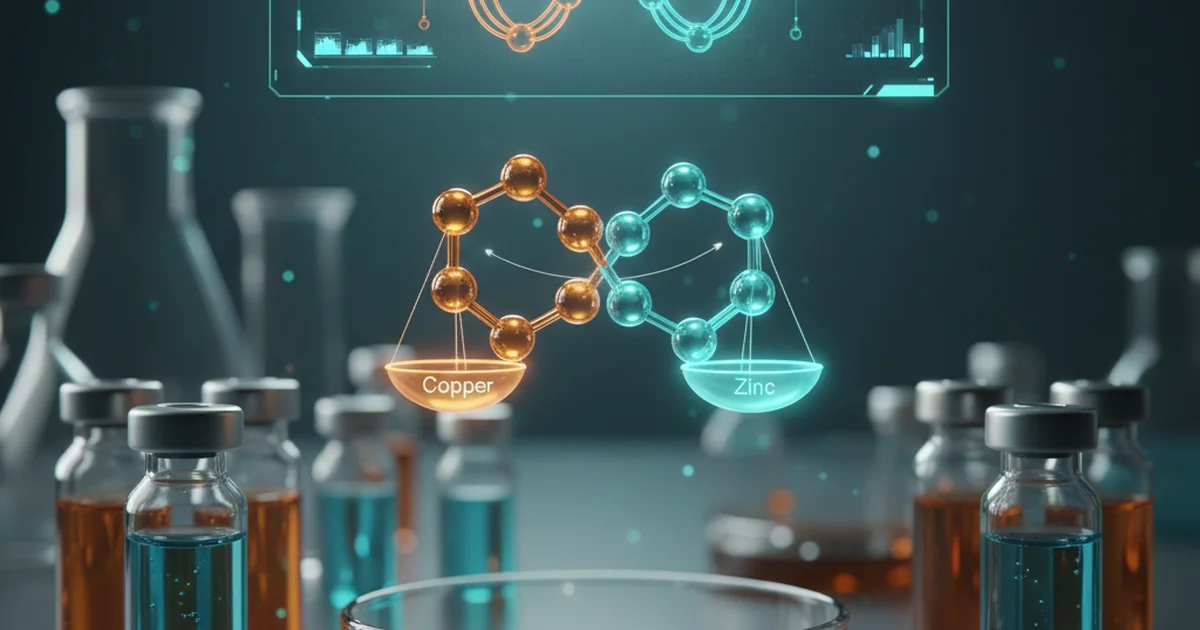
Direct answer: Copper is an essential mineral vital for iron metabolism and red blood cell formation. An imbalance, often caused by high zinc intake, can block copper absorption, leading to a form of anemia that doesn't respond to iron supplements. Maintaining a proper zinc-to-copper ratio is crucial for preventing this hidden cause of anemia and supporting overall health.
TL;DR Copper is a critical mineral that plays a key role in energy production, immune function, and connective tissue health. Its most vital function, however, is its partnership with iron. Your body needs copper to properly absorb, transport, and use iron to make healthy red blood cells. When copper levels are low, iron can get 'trapped' in storage, leading to a type of anemia that looks like iron deficiency but won't improve with iron pills. This problem is often caused by taking too much zinc, as high zinc intake blocks copper absorption in the gut.
- The Iron Connection: Copper is essential for the enzyme ceruloplasmin, which mobilizes iron from storage so it can be used to create hemoglobin for red blood cells.
- Anemia Mimicry: A copper deficiency can cause microcytic anemia (small, pale red blood cells), the same type seen in iron deficiency, making diagnosis tricky.
- Zinc's Role: High zinc intake (often from supplements) is a primary cause of copper deficiency because it triggers a protein in the gut that traps copper and prevents its absorption.
- The Ideal Ratio: The target dietary ratio of zinc to copper is generally between 8:1 and 12:1 to maintain a healthy balance.
- Key Symptoms: Besides anemia, signs of copper deficiency can include fatigue, frequent infections, pale skin, and neurological issues like numbness or poor coordination.
- Dietary Sources: Boost copper intake with foods like beef liver, oysters, cashews, lentils, and dark chocolate.
Want the full explanation? Keep reading ↓
Copper, an often-overlooked trace mineral, is an essential nutrient vital for a myriad of physiological processes within the human body. From energy production to immune function and the synthesis of connective tissue, its role is indispensable. However, copper doesn't operate in isolation. Its intricate relationship with other minerals, particularly zinc, forms a delicate balance that is crucial for maintaining optimal health. An imbalance in this ratio, whether too much or too little copper relative to zinc, can have significant health implications, ranging from subtle functional impairments to severe neurological and hematological disorders. Understanding this dynamic interplay is paramount for anyone seeking to optimize their nutritional status and overall well-being.
This article delves into the critical functions of copper, its dietary sources, how the body absorbs and utilizes it, and the careful considerations surrounding supplementation. We will particularly explore its vital connection to iron metabolism and its role in preventing certain types of anemia, all while emphasizing the importance of maintaining a healthy zinc-copper ratio.
The Essential Roles of Copper in the Body
Copper is a cofactor for numerous metalloenzymes, meaning it is an indispensable component of proteins that catalyze vital biochemical reactions. Its functions span multiple organ systems:
- Energy Production: Copper is a key component of cytochrome c oxidase, an enzyme critical for the electron transport chain, which generates ATP, the primary energy currency of cells. Without adequate copper, cellular energy production can be compromised.
- Connective Tissue Formation: Copper is required for the activity of lysyl oxidase, an enzyme that cross-links collagen and elastin. These proteins are fundamental for the strength and integrity of bones, skin, blood vessels, and other connective tissues.
- Iron Metabolism: This is a particularly critical role. Copper, via the enzyme ceruloplasmin, is essential for converting ferrous iron (Fe2+) to ferric iron (Fe3+). Ferric iron is the form that can be safely bound to transferrin for transport in the blood to sites of red blood cell production. Without sufficient copper, iron cannot be properly mobilized from storage sites, leading to functional iron deficiency, even if total iron stores are adequate.
- Neurotransmitter Synthesis: Copper is a cofactor for dopamine beta-hydroxylase, an enzyme involved in the synthesis of norepinephrine from dopamine, crucial for nerve signaling.
- Antioxidant Defense: Superoxide dismutase (SOD), a powerful antioxidant enzyme, relies on copper (and zinc) to neutralize harmful free radicals, protecting cells from oxidative damage.
- Immune Function: Copper contributes to the development and maintenance of a robust immune system, influencing the activity of various immune cells.
- Myelination: Copper is involved in the maintenance of the myelin sheath, the protective covering around nerve fibers, which is vital for efficient nerve signal transmission.
Copper and Anemia: A Hidden Connection
While iron is widely recognized for its role in preventing anemia, copper's contribution is equally fundamental, though often less understood. As mentioned, copper is essential for the proper utilization of iron.
Ceruloplasmin, a copper-containing protein synthesized in the liver, is the primary copper-carrying protein in the blood. Its ferroxidase activity is critical for iron homeostasis. It oxidizes ferrous iron (Fe2+), released from storage cells (like macrophages and hepatocytes), into ferric iron (Fe3+). This ferric iron can then bind to transferrin, the iron transport protein, and be delivered to erythroid precursors in the bone marrow for hemoglobin synthesis.
A deficiency in copper can therefore lead to a form of anemia that mimics iron deficiency, often characterized as microcytic hypochromic anemia, meaning red blood cells are small and pale. This type of anemia can be refractory to traditional iron supplementation because the underlying problem isn't a lack of iron, but rather the body's inability to properly mobilize and utilize available iron due to copper deficiency. In some severe cases, copper deficiency can also lead to neutropenia (low white blood cell count) and myelodysplastic syndrome-like changes in the bone marrow, making diagnosis challenging. This highlights why assessing copper status can be crucial in unexplained anemia cases.
The Zinc-Copper Antagonism: A Delicate Balance
The relationship between zinc and copper is perhaps the most critical aspect of their biological interaction. These two essential trace minerals are metabolic antagonists, meaning high levels of one can interfere with the absorption and utilization of the other.
The primary mechanism of this antagonism occurs in the small intestine. When zinc intake is high, it stimulates the production of a protein called metallothionein within the intestinal cells (enterocytes). Metallothionein has a higher affinity for copper than zinc. Consequently, it binds copper within the enterocytes, preventing its absorption into the bloodstream. This copper-metallothionein complex is then excreted when the intestinal cells are shed, effectively reducing the body's copper stores.
This antagonistic relationship is so potent that high-dose zinc supplementation is a primary treatment for Wilson's disease, a genetic disorder characterized by excessive copper accumulation in the body. By inducing a functional copper deficiency, zinc helps prevent further copper buildup and promotes its excretion. However, in individuals without Wilson's disease, chronic or excessive zinc supplementation (e.g., above 40 mg/day for extended periods) can inadvertently lead to iatrogenic copper deficiency, precipitating symptoms such as anemia and neurological issues. This underscores the importance of maintaining a balanced intake and being mindful of the zinc-to-copper ratio, which is generally recommended to be around 8:1 to 12:1 (zinc to copper) in the diet.
Dietary Sources of Copper
Fortunately, copper is present in a wide variety of foods, making dietary intake achievable for most individuals following a balanced diet.
Excellent sources include:
- Organ Meats: Liver (beef, pork, lamb) is exceptionally rich in copper.
- Shellfish: Oysters, crab, lobster, and mussels are outstanding sources.
- Nuts and Seeds: Cashews, almonds, sesame seeds, sunflower seeds, and flax seeds provide significant amounts.
- Legumes: Lentils, chickpeas, and beans (e.g., kidney beans, black beans) contribute to copper intake.
- Whole Grains: Oats, quinoa, and whole wheat products contain copper.
- Dark Chocolate: A delicious source, particularly chocolate with a high cocoa content.
- Certain Fruits and Vegetables: Mushrooms, potatoes, avocados, and leafy greens offer smaller but notable amounts.
The copper content in plant-based foods can vary depending on soil composition and agricultural practices. Cooking methods can also affect nutrient content, though copper is relatively stable.
Bioavailability and Absorption of Copper
Copper absorption primarily occurs in the small intestine, particularly the duodenum and jejunum. The process is tightly regulated to prevent both deficiency and toxicity.
Key factors influencing copper bioavailability include:
- Dietary Form: Copper from food sources is generally well-absorbed. Inorganic copper salts (like those in supplements) can also be absorbed, though the specific form (e.g., gluconate, sulfate, citrate) may influence absorption rates slightly.
- Enhancers of Absorption:
- Amino Acids: Certain amino acids, like histidine and methionine, can form complexes with copper, potentially enhancing its absorption.
- Citric Acid: May also aid in absorption.
- Inhibitors of Absorption:
- Zinc: As discussed, high zinc intake is the most significant inhibitor.
- Iron: Very high doses of iron supplements can interfere with copper absorption, though this is less common with typical dietary iron.
- Molybdenum: This mineral can form insoluble complexes with copper, reducing its absorption and increasing its excretion. This interaction is sometimes exploited therapeutically.
- Vitamin C: While generally beneficial, extremely high doses of vitamin C (e.g., several grams per day) have been shown in some studies to interfere with copper absorption.
- Phytates: Found in whole grains, legumes, and nuts, phytates can bind to copper (and other minerals like zinc and iron), forming insoluble complexes that reduce absorption. Soaking, sprouting, and fermentation can reduce phytate content.
- Fiber: While generally healthy, very high fiber intake might slightly reduce mineral absorption, including copper, by increasing gut transit time and binding.
Once absorbed, copper is initially bound to albumin and alpha-2-macroglobulin in the portal circulation and transported to the liver. In the liver, copper is incorporated into ceruloplasmin, which then releases copper into the systemic circulation for delivery to peripheral tissues. Excess copper is excreted primarily through bile.
Copper Supplementation: Considerations and Risks
While a balanced diet should ideally provide sufficient copper, supplementation may be necessary in specific circumstances, always under medical guidance.
- Indications for Supplementation:
- Documented Copper Deficiency: Confirmed by blood tests, especially in cases of unexplained anemia, neutropenia, or neurological symptoms. For a deeper understanding of diagnostic approaches, you can refer to [serum copper test, Wilson's disease, and deficiency].
- Malabsorptive Conditions: Individuals with celiac disease, Crohn's disease, or those who have undergone bariatric surgery are at higher risk of nutrient deficiencies, including copper.
- Long-term High-Dose Zinc Supplementation: People taking zinc supplements exceeding the Tolerable Upper Intake Level (UL) of 40 mg/day for extended periods may require copper supplementation to prevent induced deficiency.
- Total Parenteral Nutrition (TPN): Patients receiving TPN without adequate trace mineral supplementation are at risk.
- Recommended Dietary Allowance (RDA) and Upper Limit (UL):
- The RDA for adult men and women (19+ years) is 900 micrograms (mcg) per day.
- The Tolerable Upper Intake Level (UL) for adults is 10,000 mcg (10 mg) per day. Consuming amounts above the UL from supplements or diet can lead to adverse effects.
- Forms of Supplements: Common forms include copper gluconate, copper sulfate, and copper citrate. There isn't strong evidence to suggest one form is significantly superior in terms of bioavailability for most individuals.
- Risks of Excess Copper: While copper deficiency is a concern, excessive copper intake can also be harmful.
- Acute Copper Toxicity: Rare from dietary sources, but can occur from accidental ingestion of high-dose supplements or contaminated water. Symptoms include nausea, vomiting, abdominal pain, diarrhea, and in severe cases, liver damage, kidney failure, and even death.
- Chronic Copper Toxicity: Can lead to liver damage, particularly in individuals with underlying genetic predispositions (other than Wilson's disease) that impair copper excretion.
- Wilson's Disease: This is a genetic disorder where the body cannot properly excrete excess copper, leading to its accumulation in the liver, brain, and other organs. This is a distinct condition from dietary copper toxicity and requires specialized medical management, often including high-dose zinc therapy.
Assessing Copper Status and Normal Ranges
Evaluating copper status typically involves blood tests. The most common markers are serum copper and ceruloplasmin levels. For a comprehensive understanding of what these tests mean and their implications, especially in the context of various health conditions, you can consult [copper normal range and test result meaning].
| Population | Normal Range | Units | Notes |
|---|---|---|---|
| Adult Men | 70-140 | mcg/dL | Varies by lab, influences by diet |
| Adult Women | 80-155 | mcg/dL | Higher in pregnancy/oral contraceptive use |
| Children | 20-140 | mcg/dL | Age-dependent, lower in infants |
| Newborns | 20-70 | mcg/dL | Physiologically lower at birth |
Important Notes on Interpretation:
- Serum Copper: Reflects the total copper in the blood, most of which is bound to ceruloplasmin. Low levels can indicate deficiency, but high levels can be seen in inflammation, pregnancy, or with oral contraceptive use, making interpretation complex.
- Ceruloplasmin: As the primary copper-carrying protein, ceruloplasmin levels often correlate with serum copper. It's a more reliable indicator of functional copper status. Low levels are a strong indicator of copper deficiency or Wilson's disease. High levels can occur in inflammatory states or pregnancy.
- 24-hour Urinary Copper: Primarily used in the diagnosis and monitoring of Wilson's disease, where urinary excretion of copper is typically elevated.
- Liver Biopsy: Considered the gold standard for assessing tissue copper levels, especially in suspected Wilson's disease, but it is invasive.
Interpreting these tests requires careful consideration of the individual's clinical picture, including symptoms, dietary intake, medication use, and other medical conditions. For instance, copper deficiency can lead to a range of neurological symptoms, including myelopathy (spinal cord disease), peripheral neuropathy, and ataxia, which can be misdiagnosed if copper status is not considered. Understanding these specific manifestations is crucial, and you can learn more about them in [copper deficiency neurological symptoms explained].
Maintaining the Balance: Actionable Advice
Achieving and maintaining the optimal zinc-copper balance is a cornerstone of good health. Here's actionable advice:
- Prioritize a Balanced Diet: Focus on consuming a diverse array of whole foods, including organ meats (if desired), shellfish, nuts, seeds, legumes, and whole grains. This approach naturally provides a balanced intake of essential minerals, reducing the likelihood of imbalances.
- Be Mindful of Zinc Supplementation: If you choose to supplement with zinc, be aware of the dose. For general immune support, short-term use of moderate doses (e.g., 15-30 mg/day) is typically safe. However, chronic use of high-dose zinc (e.g., >40 mg/day) without medical supervision significantly increases the risk of inducing copper deficiency. Consider a combined zinc-copper supplement if high-dose zinc is medically indicated long-term, ensuring the ratio is appropriate.
- Avoid Unnecessary Copper Supplementation: Unless diagnosed with a copper deficiency by a healthcare professional, avoid taking standalone copper supplements. The risk of toxicity from supplements is higher than from dietary sources.
- Consult a Healthcare Professional: If you suspect a mineral imbalance, are experiencing unexplained symptoms (especially neurological issues or anemia refractory to iron), or are considering high-dose supplementation, consult with a doctor or registered dietitian. They can assess your dietary intake, review your medical history, and recommend appropriate testing and interventions.
- Regular Monitoring for At-Risk Individuals: If you have conditions that affect nutrient absorption (e.g., bariatric surgery, celiac disease) or are on long-term medications that can interfere with mineral metabolism, regular monitoring of your zinc and copper levels may be advisable.
Conclusion
Copper is an indispensable trace mineral with far-reaching effects on human health, playing critical roles in energy production, connective tissue integrity, immune function, and notably, iron metabolism. Its delicate balance with zinc is a prime example of biological synergy and antagonism, where too much of one can impair the function of the other. Understanding this zinc-copper equilibrium is not merely an academic exercise; it is crucial for preventing conditions like copper-deficiency anemia and neurological disorders, and for guiding responsible supplementation practices. By prioritizing a diverse, whole-food diet and exercising caution with mineral supplements, individuals can support this vital balance and foster optimal health.
Frequently Asked Questions
What is the most common cause of abnormal Copper levels?
The most common cause of abnormally low copper levels is often related to malabsorption syndromes (such as celiac disease or bariatric surgery) or excessive zinc intake from supplements, which competitively inhibits copper absorption. Dietary deficiency of copper is less common in developed countries due to its widespread presence in food. Abnormally high copper levels are rare from diet alone but can occur due to genetic disorders like Wilson's disease, which impairs copper excretion, or in cases of acute poisoning from high-dose supplements or environmental exposure. It's important to differentiate between these causes as the treatment approaches vary significantly.
How often should I get my Copper tested?
For most healthy individuals without specific symptoms or risk factors, routine copper testing is not necessary. Your body typically regulates copper levels well through diet. However, testing may be recommended by a healthcare professional if you:
- Exhibit unexplained symptoms such as anemia refractory to iron, neutropenia, or neurological issues (e.g., ataxia, peripheral neuropathy).
- Have a history of malabsorptive conditions (e.g., bariatric surgery, celiac disease, Crohn's disease).
- Are taking high-dose zinc supplements (over 40 mg/day) for an extended period.
- Have a family history of Wilson's disease or other genetic copper metabolism disorders. The frequency of testing for these at-risk groups would be determined by your doctor based on your individual clinical picture.
Can lifestyle changes improve my Copper levels?
Yes, lifestyle changes, primarily dietary adjustments, can significantly impact and improve copper levels, especially if they are low due to insufficient intake.
- Dietary Diversity: Incorporating copper-rich foods into your diet is the most effective lifestyle change. This includes regular consumption of organ meats (like liver), shellfish (oysters, crab), nuts (cashews, almonds), seeds (sesame, sunflower), legumes, whole grains, and dark chocolate.
- Balanced Mineral Intake: Being mindful of your zinc intake is crucial. If you are taking high-dose zinc supplements, reducing the dose or discussing a balanced zinc-copper supplement with your doctor can help prevent copper deficiency.
- Address Malabsorption: If an underlying condition like celiac disease is impairing copper absorption, managing that condition through appropriate dietary changes (e.g., a gluten-free diet for celiac disease) will indirectly improve copper status.
- Avoid Excessive Inhibitors: While generally healthy, extremely high doses of certain compounds, like very high vitamin C supplements (several grams) or excessive phytates (from an unbalanced diet overly reliant on unprocessed grains/legumes without proper preparation), might theoretically impact absorption. However, a balanced diet generally mitigates these effects.
Medical Disclaimer
This article is for educational purposes only. Always consult a healthcare professional.