Selenium Blood Test: Understanding Your Levels
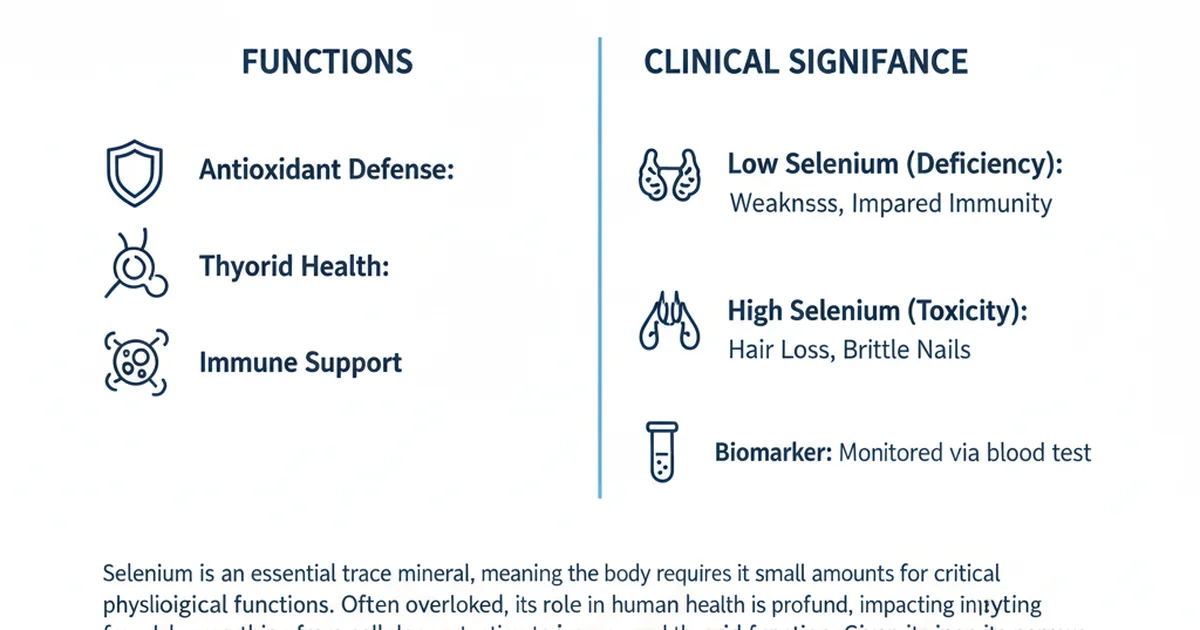
Direct answer: A selenium blood test measures the amount of this essential mineral in your body, which is vital for thyroid function, immune response, and antioxidant defense. The test is used to diagnose a deficiency (linked to fatigue, weakness) or toxicity (linked to hair loss, GI issues), helping guide dietary changes or supplementation.
TL;DR A selenium blood test is a key tool for assessing your body's level of this critical trace mineral, which supports thyroid health, immunity, and cellular protection. Since both too little (deficiency) and too much (toxicity) selenium can cause significant health problems, this test helps identify imbalances. It's often ordered for people with symptoms like fatigue or hair loss, those with malabsorption issues like Crohn's disease, or to monitor supplementation.
- What it is: A blood test measuring selenium concentration, most commonly in serum, to reflect recent dietary intake.
- Why it's important: Selenium is essential for making selenoproteins, which act as powerful antioxidants, help activate thyroid hormones, and support a strong immune system.
- Low Levels (Deficiency): Can cause fatigue, muscle weakness, a weakened immune system, and may worsen thyroid conditions. It's often due to poor diet or malabsorption.
- High Levels (Toxicity): Usually caused by excessive supplementation, leading to symptoms like hair loss, brittle nails, garlic breath, and neurological issues.
- Normal Range: For adults, a typical range is 70-150 µg/L, but this can vary by lab. Results must be interpreted by a healthcare provider.
- Food Sources: Selenium is found in Brazil nuts, seafood (tuna, shrimp), organ meats, and eggs. The amount in plant foods depends on soil quality.
- Actionable Steps: If levels are low, increase intake of selenium-rich foods or supplement under medical guidance. If high, stop all supplements and reduce intake.
Want the full explanation? Keep reading ↓
Selenium is an essential trace mineral, meaning the body requires it in small amounts for critical physiological functions. Often overlooked, its role in human health is profound, impacting everything from cellular protection to immune response and thyroid function. Given its narrow therapeutic window – where both deficiency and excess can lead to significant health problems – monitoring selenium levels through a blood test is a valuable tool for assessing nutritional status and guiding personalized health interventions.
This article delves into the importance of selenium, the specifics of its blood testing, interpretation of results, and practical guidance on dietary sources, bioavailability, and supplementation.
The Indispensable Role of Selenium in Health
Selenium is primarily incorporated into proteins to form selenoproteins, which are the biologically active forms of the mineral. Over 25 selenoproteins have been identified in humans, each with distinct functions. Key roles include:
- Antioxidant Defense: Selenoproteins like glutathione peroxidase (GPx) are powerful antioxidants, protecting cells from damage caused by free radicals and oxidative stress. This protective role is vital for maintaining cellular integrity and preventing chronic diseases.
- Thyroid Hormone Metabolism: Selenium is crucial for the proper functioning of the thyroid gland. Selenoproteins, specifically iodothyronine deiodinases, are responsible for converting inactive thyroid hormone (T4) into its active form (T3), influencing metabolism, growth, and development.
- Immune System Function: Adequate selenium levels are essential for a robust immune response, modulating both innate and adaptive immunity. Deficiency can impair immune cell function and increase susceptibility to infections.
- Reproductive Health: Selenium plays a role in fertility, particularly in men, by influencing sperm motility and quality.
- DNA Synthesis and Repair: It contributes to maintaining genomic stability and protecting against DNA damage.
Given these wide-ranging functions, imbalances in selenium status can have significant health consequences, making accurate assessment crucial.
The Selenium Blood Test: When and Why it's Performed
A selenium blood test measures the concentration of selenium in the blood, providing insight into an individual's recent or long-term selenium status. It's typically ordered when there's a suspicion of either deficiency or toxicity.
Indications for Testing:
- Symptoms of Deficiency: These can be subtle and non-specific, including muscle weakness, fatigue, impaired immune function, or in severe cases, cardiomyopathy (such as Keshan disease, historically linked to severe selenium deficiency in specific geographic regions).
- Symptoms of Toxicity (Selenosis): Excessive selenium intake can lead to symptoms like hair loss, brittle nails, gastrointestinal distress, garlic-like breath odor, fatigue, and neurological issues.
- Malabsorption Conditions: Individuals with conditions affecting nutrient absorption, such as Crohn's disease, celiac disease, or those who have undergone bariatric surgery, are at higher risk of deficiency.
- Long-Term Parenteral Nutrition: Patients receiving nutrition intravenously for extended periods may require monitoring to ensure adequate micronutrient intake.
- Thyroid Disorders: Due to selenium's critical role in thyroid hormone metabolism, testing may be considered in individuals with hypothyroidism or autoimmune thyroid conditions.
- Geographic Risk: People residing in areas with known selenium-deficient soils may be at higher risk of low intake.
- Monitoring Supplementation: For individuals taking selenium supplements, testing helps ensure therapeutic levels are achieved without crossing into toxic ranges.
Types of Selenium Tests:
While "selenium blood test" often refers to a serum or plasma measurement, other methods exist, each offering a different window into selenium status:
- Serum or Plasma Selenium: This is the most common and readily available test. It reflects recent selenium intake and provides a snapshot of circulating selenium levels, typically reflecting status over the preceding weeks to months.
- Whole Blood Selenium: This test measures selenium in both red blood cells and plasma, offering a slightly longer-term view of selenium status than serum/plasma alone.
- Erythrocyte (Red Blood Cell) Selenium: This test reflects selenium incorporated into red blood cells, indicating status over the lifespan of these cells (approximately 120 days), thus providing a longer-term indicator than serum/plasma.
- Toenail Selenium: While not a blood test, toenail analysis can reflect very long-term selenium intake, typically over several months to a year, due to the slow growth rate of nails.
- Glutathione Peroxidase (GPx) Activity: This is a functional test that measures the activity of a key selenium-dependent enzyme. Low GPx activity can indicate selenium deficiency, as selenium is a required cofactor for its function.
Understanding Selenium Reference Ranges
Interpreting a selenium blood test requires understanding the typical reference ranges. It's crucial to remember that reference ranges can vary between laboratories due to different testing methodologies, equipment, and populations used to establish the ranges. Always refer to the specific ranges provided by the laboratory that performed your test.
The table below provides general reference ranges for serum or plasma selenium. These are guidelines, and clinical interpretation should always be done by a healthcare professional considering the individual's overall health status, symptoms, and other laboratory findings.
| Population | Normal Range | Units | Notes |
|---|---|---|---|
| Adult Men | 70-150 | µg/L | Varies by lab; optimal range may be narrower |
| Adult Women | 70-150 | µg/L | Can be lower during pregnancy and lactation |
| Children (1-12 years) | 50-120 | µg/L | Age-dependent; generally lower than adults |
| Infants (0-1 year) | 30-70 | µg/L | Birth weight and dietary intake dependent |
Factors Affecting Reference Ranges:
- Geographic Location: Soil selenium content varies widely globally, directly impacting the selenium content of locally grown foods and, consequently, the average intake of populations.
- Dietary Habits: Vegetarians and vegans, or those with highly restricted diets, may have different selenium intakes.
- Age and Sex: Requirements and typical levels can vary with age and physiological state (e.g., pregnancy, lactation).
- Health Status: Certain medical conditions or medications can influence selenium absorption, metabolism, or excretion.
Interpreting Your Selenium Blood Test Results
Understanding what your selenium levels mean is key to appropriate management.
Low Selenium Levels (Deficiency)
A selenium level below the lower limit of the reference range suggests deficiency. Clinical deficiency is often defined by levels below 70 µg/L (or 0.89 µmol/L) in adults, though symptoms may appear at higher levels depending on individual susceptibility.
Causes of Deficiency:
- Inadequate Dietary Intake: The most common cause, especially in regions with selenium-poor soils.
- Malabsorption Syndromes: Conditions like Crohn's disease, celiac disease, or short bowel syndrome impair nutrient absorption.
- Long-term Parenteral Nutrition: Without adequate selenium supplementation.
- Specific Diseases: Kidney dialysis patients, HIV patients, and those with severe burns are at higher risk.
Symptoms and Risks of Deficiency:
- Muscle Weakness and Pain: Due to impaired antioxidant protection and muscle cell damage.
- Fatigue: Often non-specific but can be linked to overall metabolic dysfunction.
- Impaired Immune Function: Increased susceptibility to viral and bacterial infections.
- Cardiomyopathy (Keshan Disease): A severe form of heart muscle disease, historically seen in children and young women in selenium-deficient areas of China.
- Hypothyroidism: Exacerbated by co-existing iodine deficiency, as selenium is vital for thyroid hormone activation.
- Reproductive Issues: Poor sperm motility and reduced fertility.
- Increased Oxidative Stress: Leading to cellular damage and potentially increasing the risk of chronic diseases, including certain cancers and cardiovascular conditions.
Management of Deficiency:
- Dietary Modifications: Increasing intake of selenium-rich foods.
- Supplementation: Under medical supervision, selenium supplements may be recommended to restore levels.
High Selenium Levels (Toxicity or Selenosis)
A selenium level above the upper limit of the reference range indicates excessive intake, which can lead to toxicity. Toxic levels are generally considered above 200 µg/L (or 2.5 µmol/L) in adults, though symptoms can vary widely.
Causes of Toxicity:
- Excessive Supplementation: The most common cause of selenosis in developed countries, often due to taking high-dose supplements without medical guidance.
- Occupational Exposure: In industries dealing with selenium compounds.
- High-Selenium Food Intake: Rare, but possible with excessive consumption of extremely rich sources like Brazil nuts, especially if soil content is unusually high.
Symptoms and Risks of Toxicity:
- Garlic Breath: A distinctive and common symptom, caused by the excretion of dimethyl selenide.
- Hair Loss and Brittle Nails: Including nail discoloration and lesions.
- Gastrointestinal Upset: Nausea, vomiting, diarrhea, abdominal pain.
- Fatigue and Irritability.
- Neurological Symptoms: Tremors, numbness, tingling sensations.
- Skin Lesions and Rashes.
- Severe Toxicity: Can lead to respiratory distress, kidney failure, cardiac arrest, and in extreme cases, death.
Management of Toxicity:
- Discontinuation of Supplements: Immediately stop all selenium-containing supplements.
- Dietary Changes: Avoid selenium-rich foods.
- Medical Management: Symptomatic treatment and supportive care may be necessary for severe cases.
Dietary Sources of Selenium
The selenium content of foods is highly dependent on the selenium concentration in the soil where plants are grown or animals are raised. This explains why selenium levels in the same food item can vary significantly across different geographic regions.
Excellent Dietary Sources:
- Brazil Nuts: Exceptionally high in selenium. Just one or two Brazil nuts can provide the daily recommended intake. However, due to their variable content, it's possible to consume toxic amounts if eaten regularly in large quantities.
- Seafood: Fish like tuna, cod, halibut, and sardines, as well as shellfish such as shrimp and oysters, are generally good sources.
- Organ Meats: Kidney and liver are particularly rich.
- Meats: Beef, turkey, and chicken provide moderate amounts.
- Eggs: A good source, with selenium concentrated in the yolk.
- Dairy Products: Milk, yogurt, and cheese contain some selenium.
- Grains and Cereals: Whole wheat bread, pasta, and rice can contribute, but their selenium content is highly variable based on soil quality.
- Legumes: Lentils and beans offer smaller amounts.
Factors Affecting Food Selenium Content:
- Soil Selenium Levels: The primary determinant. Regions like parts of the United States (e.g., Dakotas, Nebraska) have high soil selenium, while others (e.g., parts of China, Europe, New Zealand) have low levels.
- Agricultural Practices: Fertilization and crop selection can influence selenium uptake by plants.
- Food Processing: Some processing methods can reduce selenium content, though it is relatively stable.
Bioavailability of Selenium
Bioavailability refers to the proportion of selenium from a food or supplement that is absorbed, utilized, and available for metabolic functions in the body. The form of selenium ingested significantly impacts its bioavailability.
Forms of Selenium:
- Organic Forms: These are naturally found in plants and animals.
- Selenomethionine: The most common organic form, found in plant proteins and subsequently in animal tissues. It is highly bioavailable and can be incorporated into body proteins in place of methionine, serving as a storage form of selenium.
- Selenocysteine: The primary functional form of selenium, directly incorporated into selenoproteins. It is synthesized in the body from selenide.
- Inorganic Forms: These are typically found in supplements and fortified foods.
- Selenite: Less bioavailable than selenomethionine, but still a source. Its absorption can be influenced by other dietary factors.
- Selenate: Generally well-absorbed, often used in supplements.
Absorption and Metabolism:
- Selenium is primarily absorbed in the small intestine.
- Organic forms like selenomethionine are absorbed very efficiently (around 90%), often through amino acid transporters.
- Inorganic forms (selenite, selenate) are also well-absorbed (50-80%), but their absorption can be hindered by certain dietary components, such as high doses of vitamin C (for selenite).
- Once absorbed, selenium is transported to various tissues, where it is metabolized and incorporated into selenoproteins. Excess selenium is primarily excreted via urine, and to a lesser extent, in feces and breath (as dimethyl selenide in cases of toxicity).
Factors Influencing Bioavailability:
- Form of Selenium: Organic forms generally have higher and more consistent bioavailability than inorganic forms.
- Dietary Matrix: Other components in food can affect absorption. For example, heavy metals can bind to selenium, reducing its availability.
- Gastrointestinal Health: Conditions that impair nutrient absorption can reduce selenium bioavailability.
- Individual Nutritional Status: Deficiency can sometimes lead to increased absorption efficiency.
Selenium Supplementation: When, How, and What to Watch For
Selenium supplementation should be approached with caution due to the narrow margin between beneficial and toxic doses. Always consult a healthcare professional before starting any selenium supplement.
Indications for Supplementation:
- Documented Deficiency: The primary reason for supplementation, confirmed by blood tests and clinical symptoms.
- Specific Medical Conditions: In some cases, such as certain thyroid disorders (e.g., Hashimoto's thyroiditis), HIV, or for specific cancer prevention strategies in deficient populations, supplementation may be considered under strict medical guidance. However, the evidence for routine supplementation in these areas is complex and often requires personalized assessment.
- Dietary Restrictions: Individuals with highly restricted diets or those living in severely selenium-deficient regions may benefit.
Forms of Supplements:
- Selenomethionine: The most common and often preferred form due to its high bioavailability and ability to be stored.
- Sodium Selenite/Selenate: Inorganic forms, also used in supplements. Selenate is generally better absorbed than selenite.
Dosage:
- Recommended Dietary Allowance (RDA): For adults, the RDA is 55 micrograms (mcg) per day.
- Tolerable Upper Intake Level (UL): For adults, the UL is 400 mcg per day. Consuming more than this amount regularly significantly increases the risk of toxicity.
- Therapeutic Doses: If a healthcare professional recommends a higher dose for a specific medical condition, it must be closely monitored with regular blood tests to prevent selenosis.
Risks of Excessive Supplementation:
As detailed earlier, exceeding the UL can lead to selenosis, with symptoms ranging from hair loss and brittle nails to severe neurological and cardiac issues. It is critical to adhere to recommended dosages and avoid self-prescribing high-dose selenium.
Interactions with Medications:
Selenium supplements can potentially interact with certain medications, including some chemotherapy drugs (though research is mixed, some studies suggest it might interfere with efficacy), and blood-thinning medications (though this interaction is less well-established than with other antioxidants). Discuss all medications and supplements with your doctor.
Selenium's Indirect Role in Anemia
While selenium is not a primary factor in the development of most common anemias (like iron-deficiency anemia), its critical antioxidant functions mean it can indirectly influence red blood cell health and, in severe deficiency, contribute to certain forms of anemia.
- Protection Against Oxidative Damage: Red blood cells are highly susceptible to oxidative stress due to their role in oxygen transport. Selenium, as a component of glutathione peroxidase, helps protect these cells from damage by reactive oxygen species. Severe selenium deficiency can impair this antioxidant defense, leading to increased oxidative stress on red blood cells. Chronic oxidative stress can cause premature destruction of red blood cells, potentially contributing to hemolytic anemia.
- Thyroid Function: As selenium is essential for thyroid hormone metabolism, severe selenium deficiency can contribute to hypothyroidism. Hypothyroidism, in turn, can sometimes lead to anemia through various mechanisms, including reduced red blood cell production or impaired iron utilization.
Therefore, while a selenium blood test isn't typically the first line for diagnosing anemia, understanding an individual's selenium status can be part of a comprehensive assessment, particularly in cases of unexplained hemolytic anemia or anemia co-occurring with other signs of selenium deficiency.
Actionable Advice for Maintaining Healthy Selenium Levels
Maintaining optimal selenium levels is a balance between adequate intake and avoiding excess.
- Prioritize a Balanced Diet: Consume a variety of selenium-rich foods regularly. Include seafood, lean meats, eggs, and whole grains.
- Be Mindful of Brazil Nuts: While an excellent source, consume Brazil nuts in moderation (e.g., 1-2 nuts a few times a week) to avoid excessive intake.
- Consider Geographic Variations: If you live in a region known for selenium-deficient soils, be more intentional about your dietary choices or discuss testing with your doctor.
- Consult a Healthcare Professional Before Supplementing: Do not self-prescribe selenium supplements, especially high doses. A blood test can determine if supplementation is necessary, and a doctor can recommend an appropriate form and dosage.
- Be Aware of Toxicity Symptoms: If you are taking supplements and experience symptoms like hair loss, brittle nails, or garlic breath, discontinue supplements immediately and seek medical attention.
- Regular Monitoring for At-Risk Individuals: If you have malabsorption issues, are on long-term parenteral nutrition, or have specific medical conditions, periodic selenium testing may be advised by your doctor.
By understanding the importance of selenium and carefully managing its intake, individuals can support their overall health and well-being.
Frequently Asked Questions
What is the most common cause of abnormal Selenium levels?
The most common cause of low selenium levels (deficiency) is inadequate dietary intake, often due to residing in geographic regions with selenium-poor soils, or having dietary restrictions that limit intake of selenium-rich foods. For high selenium levels (toxicity or selenosis), the most common cause in developed countries is excessive supplementation, typically from taking high-dose selenium supplements without medical supervision. Less commonly, very high consumption of certain foods like Brazil nuts or occupational exposure can lead to toxicity.
How often should I get my Selenium tested?
The frequency of selenium testing depends on individual circumstances. For most healthy individuals with a balanced diet and no symptoms of deficiency or toxicity, routine selenium testing is not necessary. However, testing may be recommended:
- Initially, if symptoms of deficiency or toxicity are present.
- Annually or biennially, for individuals with malabsorption conditions, those on long-term parenteral nutrition, or those with specific medical conditions (e.g., certain thyroid disorders, HIV) where selenium status is critical.
- After starting supplementation, to ensure levels are within the therapeutic range and not becoming toxic, typically within a few months of initiation.
- If dietary changes are made to address previously abnormal levels, follow-up testing can confirm effectiveness. Always discuss the appropriate testing frequency with your healthcare provider based on your health profile.
Can lifestyle changes improve my Selenium levels?
Yes, lifestyle changes, primarily dietary modifications, can significantly improve selenium levels.
- Increase Intake of Selenium-Rich Foods: Incorporating a variety of foods known to be good sources of selenium into your diet is the most natural and sustainable way. These include seafood (tuna, cod, shrimp), lean meats (beef, turkey, chicken), eggs, organ meats, and whole grains.
- Mindful Brazil Nut Consumption: If your levels are low, adding 1-2 Brazil nuts a few times a week can be very effective, but caution is advised against overconsumption due to their extremely high and variable selenium content.
- Geographic Awareness: If you live in an area with known selenium-deficient soils, prioritize foods that are either imported from selenium-rich regions or consider fortified products if available.
- Address Malabsorption Issues: If an underlying medical condition like celiac disease or Crohn's disease is impairing selenium absorption, managing that condition with your doctor's guidance is a crucial lifestyle and medical intervention that can improve selenium status.
- Avoid Excessive Alcohol Consumption: While not a direct cause of selenium deficiency, chronic heavy alcohol intake can impair nutrient absorption and overall nutritional status, potentially affecting selenium levels indirectly.
These dietary and health management strategies can help optimize your selenium status without resorting to potentially risky high-dose supplementation.
Medical Disclaimer
This article is for educational purposes only. Always consult a healthcare professional.