Benefits of Zinc for Men's Health and Immunity
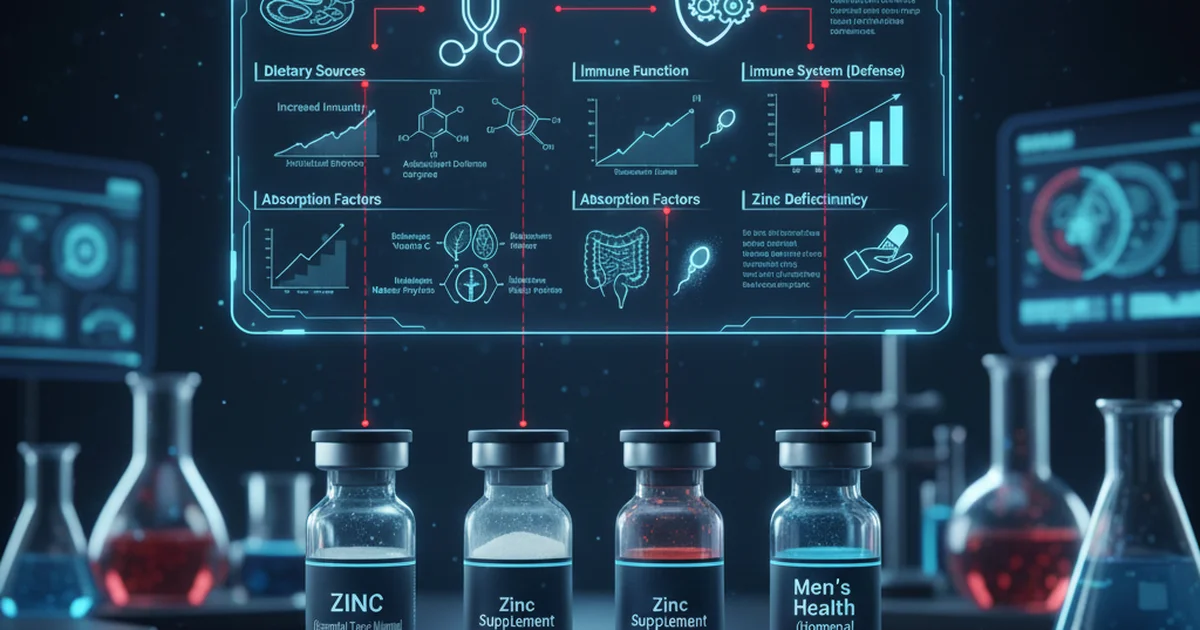
Zinc, an essential trace mineral, plays a pivotal role in countless physiological processes within the human body. While often overshadowed by more commonly discussed nutrients, its importance cannot be overstated, particularly concerning men's health and the robust functioning of the immune system. From supporting hormonal balance and reproductive health to fortifying defenses against pathogens, zinc is a fundamental component of overall well-being. Understanding its dietary sources, factors affecting its absorption, and the implications of deficiency or supplementation is crucial for optimizing health outcomes.
The Multifaceted Role of Zinc in Men's Health
Zinc is intricately involved in over 300 enzymatic reactions, making it indispensable for cell growth, DNA synthesis, protein production, and tissue repair. For men, its significance extends to several specific areas, impacting everything from hormonal regulation to prostate health.
Supporting Testosterone Production and Reproductive Health
One of the most well-known benefits of zinc for men is its influence on testosterone levels. Zinc is critical for the synthesis of luteinizing hormone (LH), which signals the testes to produce testosterone. Research has consistently shown a correlation between zinc status and testosterone levels; men with zinc deficiency often exhibit lower testosterone.
- Testosterone Synthesis: Zinc acts as a cofactor for enzymes involved in the conversion of androstenedione to testosterone.
- Sperm Quality and Motility: Adequate zinc levels are essential for spermatogenesis, the process of sperm production. It contributes to the structural integrity of sperm and protects against oxidative stress, which can impair sperm motility and viability. Studies indicate that zinc supplementation can improve sperm quality in men with infertility linked to zinc deficiency.
- Fertility: By supporting healthy testosterone levels and sperm parameters, zinc indirectly plays a vital role in male fertility.
Prostate Health
The prostate gland contains some of the highest concentrations of zinc in the human body. This high concentration suggests a significant role for zinc in maintaining prostate health.
- Antioxidant and Anti-inflammatory Properties: Zinc acts as an antioxidant, helping to protect prostate cells from damage caused by free radicals. It also exhibits anti-inflammatory effects, which may be beneficial in managing conditions like prostatitis.
- Cell Regulation: Zinc is involved in regulating cell growth and apoptosis (programmed cell death) within the prostate, processes that are crucial for preventing abnormal cell proliferation.
- Benign Prostatic Hyperplasia (BPH): Some research suggests that zinc may play a role in modulating the growth of the prostate gland. While more research is needed, maintaining adequate zinc levels is often considered a supportive measure for overall prostate health.
Zinc's Indispensable Role in Immunity
The immune system relies heavily on zinc for its proper functioning. Zinc is essential for the development and function of immune cells, making it a cornerstone of robust immune defense.
Enhancing Immune Cell Function
Zinc is vital for both innate and adaptive immunity. Its deficiency can severely compromise the body's ability to fight off infections.
- T-cell Development and Function: Zinc is critical for the maturation and activation of T-lymphocytes, which are central to cell-mediated immunity, targeting infected cells and cancer cells.
- B-cell Activity: It supports the production of antibodies by B-lymphocytes, which are crucial for neutralizing pathogens.
- Phagocytosis: Macrophages and neutrophils, key phagocytic cells that engulf and destroy pathogens, require zinc for optimal function.
- Natural Killer (NK) Cell Activity: Zinc enhances the activity of NK cells, which are important in early responses to viral infections and tumor surveillance.
Antioxidant and Anti-inflammatory Properties
Beyond its direct role in immune cell function, zinc also contributes to immunity through its potent antioxidant and anti-inflammatory actions.
- Oxidative Stress Reduction: Zinc is a component of superoxide dismutase (SOD), a powerful antioxidant enzyme that protects cells from oxidative damage caused by free radicals generated during immune responses. This protection is crucial for preventing tissue damage and maintaining immune cell integrity.
- Modulating Inflammation: Zinc helps regulate inflammatory responses. While inflammation is a necessary part of immunity, excessive or prolonged inflammation can be detrimental. Zinc helps to balance pro-inflammatory and anti-inflammatory cytokines, preventing an overactive immune response.
Wound Healing
Zinc's role in cell growth, DNA synthesis, and protein production makes it critical for effective wound healing. It contributes to collagen synthesis, tissue regeneration, and the immune response at the wound site, accelerating recovery from injuries and surgeries.
Dietary Sources of Zinc
Obtaining sufficient zinc through diet is the primary and most effective way to maintain healthy levels. Zinc is widely distributed in various foods, though its concentration and bioavailability vary significantly.
Animal-Based Sources (High Bioavailability)
Animal products are generally excellent sources of highly bioavailable zinc because they contain fewer inhibitors of absorption.
- Oysters: Exceptionally rich in zinc, often providing several times the daily recommended intake in a single serving.
- Red Meat: Beef, lamb, and pork are significant sources.
- Poultry: Chicken and turkey, especially the dark meat.
- Seafood: Crab, lobster, and other shellfish.
- Dairy Products: Milk, cheese, and yogurt contain moderate amounts.
- Eggs: A good source, particularly the yolk.
Plant-Based Sources (Consider Phytates)
While many plant-based foods contain zinc, their bioavailability can be lower due to the presence of phytates (phytic acid), compounds that bind to zinc and other minerals, inhibiting their absorption.
- Legumes: Lentils, chickpeas, beans (soaking, sprouting, or fermenting can reduce phytate content).
- Nuts and Seeds: Pumpkin seeds, cashews, almonds, sesame seeds.
- Whole Grains: Oats, quinoa, brown rice (similarly, processing can help).
- Vegetables: Spinach, mushrooms, kale.
- Fortified Foods: Some breakfast cereals and plant-based milks are fortified with zinc.
Zinc Bioavailability and Absorption
Bioavailability refers to the proportion of a nutrient that, once ingested, is absorbed and utilized by the body. Several factors influence zinc absorption.
Factors Enhancing Absorption
- Animal Protein: Consuming zinc-rich foods with animal protein can improve absorption.
- Citric Acid and Other Organic Acids: Found in fruits and vegetables, these can chelate zinc and enhance its uptake.
- Amino Acids: Certain amino acids, like histidine and methionine, can form complexes with zinc, facilitating absorption.
- Low Zinc Status: The body's absorption efficiency increases when zinc levels are low, demonstrating a homeostatic regulatory mechanism.
Factors Inhibiting Absorption
- Phytates: As mentioned, these compounds found in whole grains, legumes, nuts, and seeds can significantly reduce zinc absorption.
- Calcium: High calcium intake, especially from supplements, can compete with zinc for absorption.
- Iron: Very high doses of iron supplements can interfere with zinc absorption.
- Fiber: High fiber intake can reduce zinc bioavailability, though the effect is generally modest with typical dietary fiber levels.
- Alcohol: Chronic alcohol consumption can impair zinc absorption and increase its excretion.
Zinc Supplementation
While a balanced diet should be the primary source of zinc, supplementation may be necessary for individuals with deficiency, increased needs, or specific health conditions.
When is Supplementation Necessary?
- Confirmed Deficiency: If a zinc blood test reveals low levels, supplementation is often recommended. For a deeper dive into how such tests work and what they detect, you can read more at [zinc blood test detecting deficiency and toxicity].
- Vegetarians/Vegans: Due to higher phytate intake and reliance on plant-based zinc sources, these groups may have lower zinc bioavailability.
- Elderly Individuals: Absorption efficiency can decrease with age.
- Individuals with Chronic Diseases: Conditions like Crohn's disease, ulcerative colitis, chronic kidney disease, or liver disease can impair zinc absorption or increase its loss.
- Athletes: Intense physical activity can increase zinc requirements and losses through sweat.
- Chronic Alcoholics: Alcohol impairs absorption and increases excretion.
Recommended Daily Allowances (RDAs) for Men
The recommended daily allowance (RDA) for adult men (19 years and older) is 11 mg/day. The tolerable upper intake level (UL) for adult men is 40 mg/day from both food and supplements. Exceeding the UL consistently can lead to adverse effects.
Forms of Zinc Supplements
Zinc supplements come in various forms, each with differing bioavailability.
- Zinc Gluconate: A common and widely available form, often used in lozenges for cold symptoms.
- Zinc Acetate: Also used in cold lozenges, believed to be highly effective for reducing cold duration.
- Zinc Picolinate: Some studies suggest it may be better absorbed than other forms.
- Zinc Citrate: Another well-absorbed form, similar to zinc gluconate.
- Zinc Sulfate: A less expensive form, but can cause gastrointestinal upset in some individuals.
- Zinc Monomethionine (OptiZinc): A chelated form designed for enhanced absorption.
It's crucial to consult a healthcare professional before starting any zinc supplementation, especially at higher doses, to determine the appropriate form and dosage.
Recognizing Zinc Deficiency
Zinc deficiency can manifest in a variety of symptoms affecting multiple body systems. Recognizing these signs is the first step toward intervention. For a comprehensive overview of symptoms, including hair loss and immune issues, consult [zinc deficiency symptoms hair loss immunity more].
Common Symptoms of Deficiency
- Impaired Immune Function: Frequent infections, prolonged illness, poor wound healing.
- Hair Loss: Diffuse thinning or alopecia.
- Skin Problems: Acne, dermatitis, slow wound healing.
- Loss of Appetite and Weight Loss.
- Taste and Smell Disturbances: Reduced ability to taste or smell.
- Diarrhea.
- Growth Retardation (in children).
- Hypogonadism in Men: Reduced testosterone, impaired sperm production, decreased libido.
- Mood Disturbances: Depression, irritability.
Who is at Risk?
Certain populations are at higher risk of zinc deficiency, including:
- Individuals with gastrointestinal disorders (e.g., Crohn's disease, celiac disease).
- Vegetarians and vegans.
- Pregnant and lactating women.
- Chronic alcoholics.
- People with sickle cell disease.
- Individuals taking certain medications (e.g., some diuretics, proton pump inhibitors).
- Elderly individuals.
Zinc Levels and Testing
Assessing zinc status is important for diagnosing deficiency or toxicity. A zinc blood test is the most common method. To understand what these tests detect and their limitations, further information is available at [zinc blood test detecting deficiency and toxicity]. Interpreting the results requires knowledge of normal reference ranges, which can vary based on age, gender, and laboratory methods. For detailed information on typical ranges, refer to [normal zinc levels for men women and children].
Understanding Normal Zinc Reference Ranges
| Population | Normal Range | Units | Notes |
|---|---|---|---|
| Adult Men | 70-120 | mcg/dL | Varies by lab, serum zinc |
| Adult Women | 60-110 | mcg/dL | Lower in premenopausal |
| Children | 60-120 | mcg/dL | Age-dependent, serum zinc |
| Infants | 50-100 | mcg/dL | Varies by lab |
Note: These ranges are general guidelines. Individual lab results should always be interpreted by a healthcare professional. Serum zinc levels can be influenced by recent food intake, time of day, and acute inflammatory states, making accurate assessment challenging.
Actionable Advice for Optimizing Zinc Status
Maintaining optimal zinc levels is a proactive step towards enhancing men's health and immunity.
- Prioritize Dietary Sources: Focus on a balanced diet rich in zinc-containing foods. Incorporate oysters, red meat, poultry, and legumes regularly.
- Enhance Bioavailability:
- Soak, sprout, or ferment grains and legumes to reduce phytate content.
- Combine plant-based zinc sources with animal proteins or foods rich in citric acid.
- Monitor for Deficiency Symptoms: Be aware of the signs of zinc deficiency, especially if you belong to a high-risk group.
- Consider Testing: If you suspect a deficiency or have underlying conditions that affect zinc status, discuss zinc blood testing with your doctor.
- Cautious Supplementation: If supplementation is deemed necessary, always consult a healthcare provider for appropriate dosage and form. Avoid self-prescribing high doses, as excessive zinc intake can lead to copper deficiency and other adverse effects.
- Lifestyle Factors: Limit alcohol consumption, as it impairs zinc absorption. Manage chronic stress, which can also deplete nutrient stores.
Conclusion
Zinc is an indispensable mineral for men's health, playing critical roles in testosterone production, reproductive function, prostate health, and particularly, immune system integrity. From enhancing immune cell development to providing antioxidant protection, its influence is profound. By prioritizing dietary sources, understanding factors affecting bioavailability, and considering judicious supplementation when necessary, men can harness the full spectrum of zinc's benefits to support a vibrant and resilient life.
Frequently Asked Questions
What is the most common cause of abnormal Zinc levels?
The most common cause of abnormal zinc levels, particularly deficiency, is inadequate dietary intake, especially in populations with limited access to nutrient-rich foods or those following restrictive diets (e.g., vegetarian/vegan diets without proper planning). Other significant causes include malabsorption issues due to gastrointestinal diseases (like Crohn's disease, celiac disease, or chronic diarrhea), increased zinc loss (e.g., from chronic kidney disease, excessive sweating in athletes, or chronic alcoholism), and increased physiological demands (e.g., during rapid growth, pregnancy, or lactation). Toxicity, while less common, typically results from excessive supplementation rather than dietary intake.
How often should I get my Zinc tested?
There is no universal recommendation for routine zinc testing for the general population. Testing is usually indicated if you exhibit symptoms of zinc deficiency (such as frequent infections, hair loss, unexplained weight loss, or taste/smell disturbances), have risk factors for deficiency (e.g., chronic gastrointestinal disease, alcoholism, vegetarian/vegan diet), or are taking medications known to interfere with zinc absorption. Your healthcare provider will determine the appropriate frequency based on your individual health status, symptoms, and risk factors. If you are undergoing treatment for zinc deficiency, follow-up testing may be recommended to monitor your levels and adjust your treatment plan.
Can lifestyle changes improve my Zinc levels?
Yes, several lifestyle changes can significantly improve your zinc levels. The most impactful change is adopting a balanced diet rich in zinc-containing foods, prioritizing sources like oysters, red meat, poultry, legumes, nuts, and seeds. For those on plant-based diets, utilizing techniques like soaking, sprouting, or fermenting legumes and grains can enhance zinc bioavailability. Reducing chronic alcohol consumption is crucial, as alcohol impairs zinc absorption and increases its excretion. Managing chronic stress and treating underlying gastrointestinal conditions that affect nutrient absorption can also positively impact zinc status. Regular moderate exercise, combined with a nutrient-dense diet, supports overall metabolic health which indirectly aids nutrient utilization.
Medical Disclaimer
This article is for educational purposes only. Always consult a healthcare professional.