Best Dietary Sources of Bioavailable Zinc
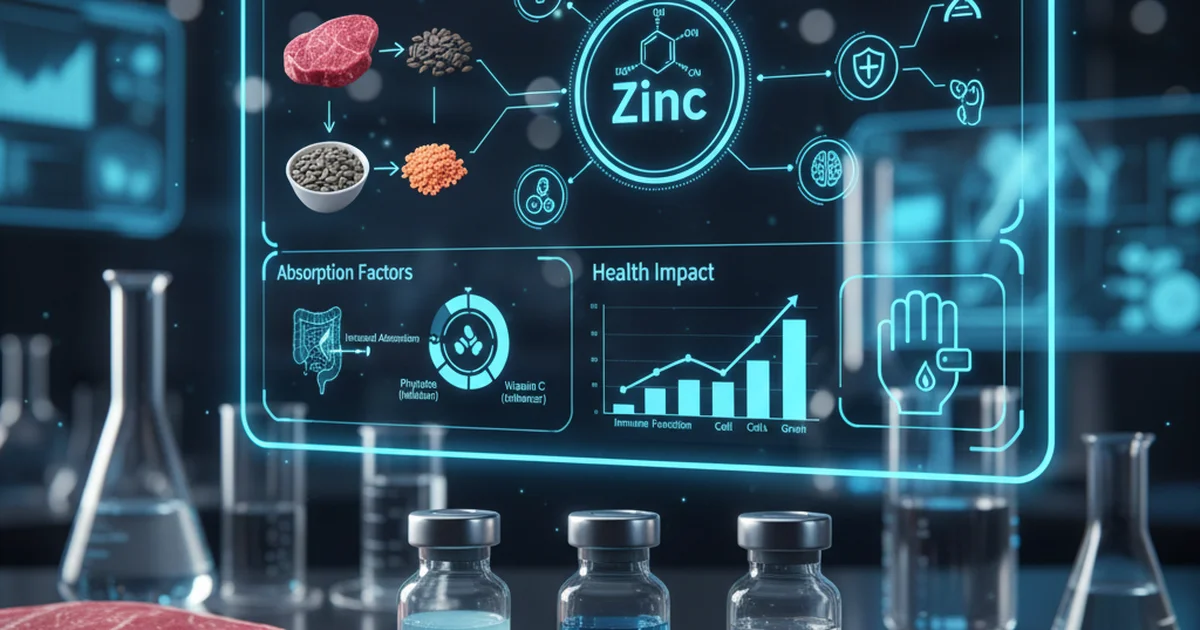
Zinc, an essential trace mineral, plays a pivotal role in maintaining human health, influencing over 300 enzymatic reactions in the body. Its functions span from immune system support and wound healing to DNA synthesis, cell division, and proper sensory function (taste and smell). Given its widespread importance, ensuring adequate zinc intake is crucial, but it's not just about the quantity of zinc in food; bioavailability—the proportion of a nutrient absorbed from the diet and utilized by the body—is equally, if not more, important.
This article will delve into the best dietary sources of zinc, focusing on those with high bioavailability, and discuss factors that influence its absorption. We'll also explore strategies to optimize your zinc intake through diet and consider when supplementation might be necessary.
Understanding Zinc Bioavailability
The bioavailability of zinc from food sources can vary significantly. Several factors influence how much zinc your body can absorb:
- Phytates (Phytic Acid): Found in whole grains, legumes, nuts, and seeds, phytates bind to zinc, forming insoluble complexes that reduce its absorption. While these plant foods are excellent sources of zinc, their phytate content can lower the amount your body ultimately uses.
- Oxalates: Present in spinach, rhubarb, and other leafy greens, oxalates can also bind to zinc, though their effect is generally less pronounced than phytates.
- Fiber: High fiber intake can sometimes interfere with mineral absorption, including zinc, though this effect is often linked to the phytate content of fiber-rich foods rather than the fiber itself.
- Other Minerals: High intakes of certain minerals, particularly iron and calcium, can compete with zinc for absorption pathways, potentially reducing zinc uptake. This is especially relevant in supplement form rather than from typical dietary intake.
- Animal Protein: Consuming animal protein alongside plant-based zinc sources can significantly enhance zinc absorption. Certain amino acids in animal protein, like cysteine and methionine, form soluble complexes with zinc, improving its uptake.
- Processing Methods: Soaking, sprouting, fermenting, and leavening (for breads) can reduce phytate levels in plant foods, thereby increasing zinc bioavailability.
- Individual Factors: Age, health status, and existing zinc status can all influence absorption efficiency. For instance, individuals with zinc deficiency tend to absorb zinc more efficiently.
In essence, foods that provide zinc in a form that is easily absorbed and utilized by the body are considered to have high bioavailability. Generally, animal-based sources offer higher bioavailability compared to plant-based sources due to the absence of phytates and the presence of absorption-enhancing proteins.
Top Dietary Sources of Bioavailable Zinc
To optimize your zinc intake, prioritizing foods known for their high zinc content and excellent bioavailability is key.
Animal-Based Sources (High Bioavailability)
- Oysters: Without a doubt, oysters are the richest dietary source of zinc. A single serving can provide several times the recommended daily allowance (RDA). The zinc in oysters is also highly bioavailable.
- Red Meat (Beef, Lamb, Pork): Red meats are excellent sources of highly bioavailable zinc. Lean cuts of beef, lamb, and pork can significantly contribute to your daily zinc needs. For example, a 3-ounce serving of cooked beef can provide a substantial amount.
- Actionable Advice: Incorporate lean red meat into your diet a few times a week, pairing it with vegetables for a balanced meal.
- Poultry (Chicken, Turkey): Chicken and turkey, especially darker meat, provide a good amount of zinc. While not as concentrated as red meat or oysters, they are common dietary staples that contribute consistently.
- Fish and Seafood (Crab, Lobster, Salmon): Crab and lobster are particularly good sources of zinc, offering levels comparable to red meat. Certain fish, like salmon, also contain zinc, though in smaller amounts.
- Dairy Products (Milk, Cheese, Yogurt): Dairy products contribute zinc to the diet, and the zinc present in them is generally well-absorbed. For example, cheese and milk can be valuable sources, especially for vegetarians who consume dairy.
- Eggs: Eggs contain a moderate amount of zinc, and their protein content can also aid in the absorption of zinc from other foods consumed simultaneously.
Plant-Based Sources (Considerations for Bioavailability)
While plant-based foods contain phytates that can hinder absorption, they remain important sources of zinc, especially for vegetarians and vegans. Strategic preparation can enhance their bioavailability.
- Legumes (Chickpeas, Lentils, Beans): Chickpeas, lentils, black beans, and kidney beans are rich in zinc. However, their high phytate content means that soaking, sprouting, and cooking them thoroughly can significantly improve zinc absorption.
- Actionable Advice: Always soak dried legumes overnight before cooking, and consider sprouting them to reduce phytate levels.
- Nuts and Seeds (Pumpkin Seeds, Cashews, Hemp Seeds, Almonds): Pumpkin seeds are particularly high in zinc, followed by cashews, hemp seeds, and almonds. These are excellent snacks or additions to meals.
- Actionable Advice: Soaking nuts and seeds overnight (and rinsing them) before consumption can also help reduce phytates and improve mineral absorption.
- Whole Grains (Oats, Quinoa, Brown Rice): Whole grains are good sources of zinc, but like legumes, they contain phytates. Choosing sourdough breads (where fermentation reduces phytates) and opting for sprouted grain products can enhance zinc availability.
- Actionable Advice: Prioritize whole grains that have been soaked, sprouted, or fermented.
- Certain Vegetables (Mushrooms, Spinach, Asparagus): While most vegetables are not primary zinc sources, some, like mushrooms (especially shiitake), spinach, and asparagus, contribute modest amounts. The zinc in vegetables is generally less bioavailable due to oxalates and other compounds.
- Fortified Foods: Some breakfast cereals and plant-based milks are fortified with zinc. While these can contribute to daily intake, relying solely on them might not be ideal as the form of zinc added may not always be the most bioavailable, and they may lack other beneficial nutrients found in whole foods.
Strategies to Enhance Zinc Absorption from Your Diet
Beyond choosing the right foods, how you prepare and combine them can significantly impact zinc bioavailability:
- Pair Plant-Based Zinc with Animal Protein: Consuming plant-based zinc sources (like legumes or grains) alongside meat, poultry, or fish can boost zinc absorption from the plant foods.
- Soak, Sprout, and Ferment: These traditional food preparation methods effectively reduce phytate content in legumes, grains, and seeds, making their zinc more accessible.
- Include Vitamin C: While not directly enhancing zinc absorption, vitamin C is crucial for overall nutrient synergy and can help mitigate the effects of some absorption inhibitors.
- Avoid Excessive Intake of Inhibitors: While a balanced diet naturally contains phytates and oxalates, excessive intake of high-phytate foods in isolation (e.g., large amounts of unsoaked bran) may be counterproductive. Similarly, high-dose iron or calcium supplements should ideally be taken at a different time than zinc supplements.
Who is at Risk of Zinc Deficiency?
Despite its abundance in many foods, zinc deficiency is a global health concern. Certain populations are particularly vulnerable:
- Vegetarians and Vegans: Due to the higher phytate content and absence of meat in their diets, these groups may have lower zinc intake and absorption.
- Elderly Individuals: Absorption efficiency can decrease with age, and older adults may have reduced dietary intake.
- Pregnant and Lactating Women: Increased zinc demands for fetal development and milk production can lead to deficiency if intake is not sufficient.
- Individuals with Gastrointestinal Disorders: Conditions like Crohn's disease, ulcerative colitis, celiac disease, and chronic diarrhea can impair zinc absorption and increase losses.
- Alcoholics: Alcohol interferes with zinc absorption and increases its excretion.
- Individuals with Chronic Kidney Disease or Liver Disease: These conditions can affect zinc metabolism.
- Those on Certain Medications: Diuretics, proton pump inhibitors, and some antibiotics can increase zinc excretion or reduce absorption.
Recognizing the signs of low zinc is important. If you're experiencing symptoms such as hair loss, impaired immune function, delayed wound healing, loss of taste or smell, or skin lesions, it might be beneficial to consult a healthcare professional. These could be [zinc deficiency symptoms, including hair loss, immunity, and more].
Zinc Supplementation: When and How?
While a balanced diet should be the primary approach to meeting zinc requirements, there are instances where supplementation may be necessary, particularly for those at risk of deficiency or with diagnosed low levels.
- When to Consider Supplementation: If dietary changes are insufficient or a deficiency has been confirmed through testing, your doctor might recommend a supplement. A [zinc blood test is crucial for detecting deficiency and toxicity] and guiding supplementation.
- Types of Zinc Supplements:
- Zinc Gluconate: A common and readily available form, often used in lozenges for colds.
- Zinc Picolinate: Often cited for good absorption.
- Zinc Citrate: Another well-absorbed form.
- Zinc Sulfate: A less expensive form, but can cause more stomach upset.
- Zinc Acetate: Also used in cold remedies.
- Dosage Considerations: The Recommended Dietary Allowance (RDA) for adults is 11 mg/day for men and 8 mg/day for women (11-12 mg/day for pregnant/lactating women). Supplementation doses typically range from 15-30 mg/day for deficiency correction, but should always be guided by a healthcare professional. High doses of zinc can interfere with copper absorption and lead to toxicity.
- Potential Side Effects and Interactions: Excessive zinc intake can lead to nausea, vomiting, diarrhea, abdominal cramps, and headaches. Long-term high intake can cause copper deficiency, impaired immune function, and reduced HDL (good) cholesterol. Zinc can also interact with certain medications, including antibiotics (quinolones and tetracyclines) and diuretics.
It is crucial to consult with a healthcare provider before starting any zinc supplement regimen to determine the appropriate dosage and duration, especially if you have underlying health conditions or are taking other medications.
Normal Zinc Levels: What You Should Know
Understanding what constitutes a healthy zinc level is important for monitoring your nutritional status. Zinc levels are typically measured in blood plasma or serum. However, it's important to note that serum zinc levels may not always accurately reflect the body's total zinc stores as zinc is predominantly intracellular. Despite this, serum zinc remains the most common clinical indicator.
The reference ranges can vary slightly between different laboratories, but general guidelines exist. It's always best to interpret your results in consultation with a healthcare professional who can consider your individual health context. You can learn more about [normal zinc levels for men, women, and children] to better understand your results.
Here's a general reference range table for zinc levels:
| Population | Normal Range | Units | Notes |
|---|---|---|---|
| Adult Men | 30-400 | ng/mL | Varies by lab |
| Adult Women | 15-150 | ng/mL | Lower in premenopausal |
| Children | 7-140 | ng/mL | Age-dependent |
Note: These ranges are indicative and can vary based on the specific laboratory and assay used. Always refer to the reference range provided by the lab that performed your test.
Conclusion
Zinc is an indispensable mineral vital for numerous bodily functions. Prioritizing dietary sources with high bioavailability is the most effective way to ensure adequate intake. Animal-based foods like oysters, red meat, and poultry are top-tier choices due to their high zinc content and excellent absorption rates. For those following plant-based diets, strategically preparing legumes, nuts, seeds, and whole grains through soaking, sprouting, and fermentation can significantly enhance zinc bioavailability.
Maintaining a diverse and balanced diet rich in these sources is your best defense against zinc deficiency. If you suspect you might be deficient or belong to a high-risk group, always seek professional medical advice before considering supplementation. A healthcare provider can accurately assess your zinc status and guide you toward the most appropriate and safe course of action to support your overall health and well-being.
Frequently Asked Questions
What is the most common cause of abnormal Zinc levels?
The most common cause of abnormally low zinc levels (deficiency) is inadequate dietary intake, particularly in diets rich in phytates (common in vegetarian/vegan diets) or low in animal protein. Other significant causes include malabsorption issues due to gastrointestinal diseases (e.g., Crohn's disease, celiac disease, chronic diarrhea), increased bodily demands (e.g., pregnancy, lactation, rapid growth in children), and increased losses (e.g., alcoholism, certain medications like diuretics). Abnormally high zinc levels (toxicity) are far less common from diet alone and are almost exclusively caused by excessive supplementation, often from taking very high doses of zinc supplements over a prolonged period.
How often should I get my Zinc tested?
For most healthy individuals with a balanced diet and no symptoms of deficiency, routine zinc testing is generally not necessary. However, if you fall into a high-risk group (e.g., vegetarians/vegans with symptoms, individuals with malabsorption disorders, alcoholics, or those on long-term medications that interfere with zinc), or if you are experiencing persistent symptoms suggestive of zinc deficiency (like unexplained hair loss, frequent infections, or impaired wound healing), your doctor might recommend a test. If you are supplementing with zinc, particularly at higher doses, periodic testing might be advised by your healthcare provider to monitor levels and prevent toxicity. The frequency would be determined by your doctor based on your individual health status and risk factors.
Can lifestyle changes improve my Zinc levels?
Absolutely. Lifestyle changes, particularly dietary modifications, are highly effective in improving zinc levels.
- Dietary Enhancement: Prioritize foods rich in bioavailable zinc, such as oysters, red meat, poultry, and seafood. For plant-based diets, include zinc-rich legumes, nuts, and seeds, and employ methods like soaking, sprouting, and fermentation to reduce phytates and enhance absorption.
- Meal Pairing: Combine plant-based zinc sources with animal protein to boost absorption.
- Manage Inhibitors: Be mindful of excessive intake of high-phytate foods in isolation, and discuss with your doctor if high doses of iron or calcium supplements are impacting your zinc status.
- Address Underlying Conditions: For those with GI disorders or alcoholism, managing these conditions is crucial for improving zinc absorption and reducing losses.
- Avoid Excessive Alcohol: Chronic alcohol consumption negatively impacts zinc status, so reducing or eliminating alcohol can significantly help. These changes, coupled with a healthy overall lifestyle, can effectively optimize your body's zinc status.
Medical Disclaimer
This article is for educational purposes only. Always consult a healthcare professional.