Zinc Toxicity: Symptoms of Over-Supplementation
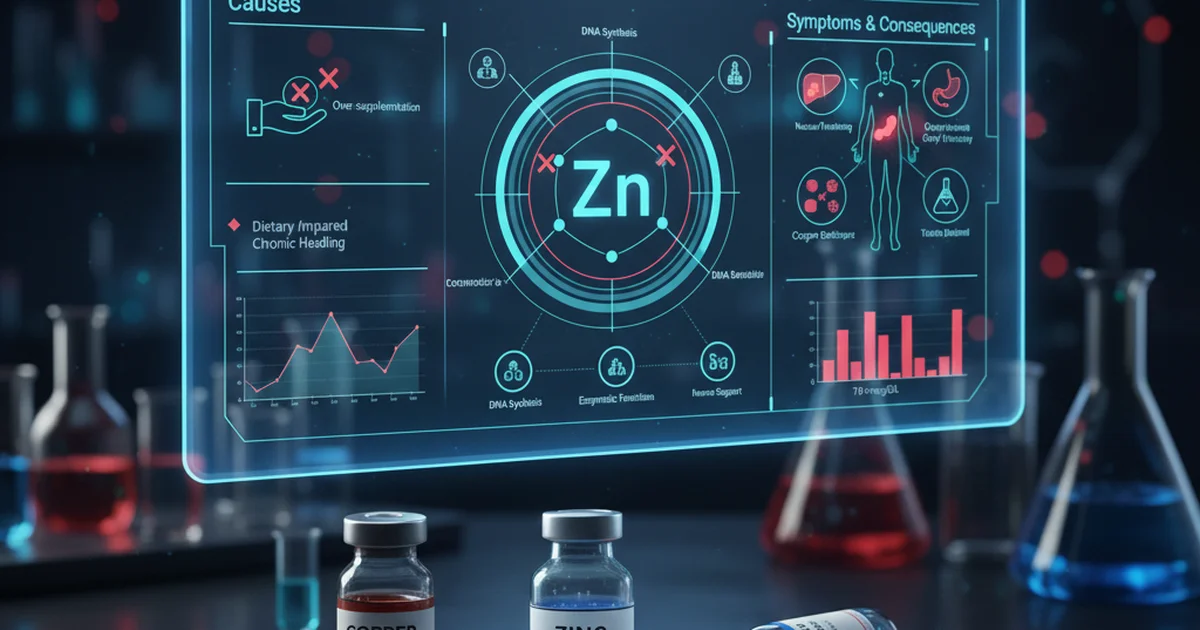
Zinc is an essential trace mineral vital for countless physiological processes in the human body. From supporting immune function and wound healing to DNA synthesis and cell division, its role is indispensable. However, while zinc deficiency is a recognized health concern, the flip side – zinc toxicity due to over-supplementation – is equally important to understand and can lead to significant health complications. This article delves into the causes, symptoms, and prevention of zinc toxicity, emphasizing the critical balance required for optimal health.
The Essential Role of Zinc
Before discussing the dangers of excess, it's crucial to appreciate zinc's fundamental roles. Zinc acts as a cofactor for over 300 enzymes, influencing a vast array of bodily functions:
- Immune System Support: Zinc is critical for the development and function of immune cells, helping the body fight off infections.
- Wound Healing: It plays a key role in collagen synthesis and inflammatory response, essential for tissue repair.
- Growth and Development: Zinc is indispensable for normal growth during pregnancy, childhood, and adolescence.
- Sensory Function: It's vital for maintaining the senses of taste and smell.
- DNA Synthesis and Cell Division: Essential for healthy cell growth and replication.
- Antioxidant Properties: Zinc helps protect cells from oxidative damage.
Given its broad impact, both too little and too much zinc can disrupt these intricate systems. If you're concerned about insufficient intake, understanding the [zinc deficiency symptoms, hair loss, immunity, and more] can be a helpful starting point, but always consult a healthcare provider before making significant dietary or supplement changes.
Understanding Zinc Toxicity
Zinc toxicity typically arises from excessive intake, almost exclusively through over-supplementation rather than dietary sources alone. The body has mechanisms to regulate zinc absorption, but these can be overwhelmed by high doses from supplements.
Acute vs. Chronic Toxicity
Zinc toxicity can manifest in two primary forms:
- Acute Toxicity: Occurs after a single, very high dose of zinc, often exceeding 150-225 mg.
- Chronic Toxicity: Develops over time from consistently taking doses above the Tolerable Upper Intake Level (UL), typically above 40 mg per day for adults, though symptoms may not appear until much higher chronic doses are consumed.
Mechanisms of Toxicity
The primary mechanism by which chronic zinc over-supplementation causes harm is its antagonism with copper. Zinc and copper compete for absorption in the small intestine. When zinc intake is excessively high, it can induce a deficiency in copper, leading to a cascade of problems. Copper is essential for red blood cell formation, iron metabolism, nervous system function, and immune health.
Symptoms of Zinc Over-Supplementation
Recognizing the signs of zinc toxicity is crucial for timely intervention. The symptoms can vary depending on the dose and duration of excessive intake.
Gastrointestinal Symptoms (Acute)
These are often the first signs of acute zinc toxicity:
- Nausea and Vomiting: Common responses to a sudden influx of high zinc.
- Abdominal Pain and Cramping: Discomfort in the stomach area.
- Diarrhea: Loose stools, often accompanied by other GI symptoms.
- Loss of Appetite: A general disinterest in food.
Copper Deficiency (Chronic)
This is the most serious consequence of chronic zinc over-supplementation. Symptoms reflect copper's vital roles:
- Anemia: Copper is essential for iron absorption and utilization. Its deficiency can lead to microcytic anemia, characterized by small, pale red blood cells, which is resistant to iron supplementation alone.
- Neurological Problems:
- Peripheral Neuropathy: Numbness, tingling, or weakness in the hands and feet.
- Ataxia: Impaired coordination and balance.
- Myelopathy: Damage to the spinal cord, potentially causing muscle weakness and spasticity.
- Cognitive Impairment: Memory issues or difficulty concentrating.
- Immune Dysfunction: Paradoxically, while zinc supports immunity, chronic high doses leading to copper deficiency can impair immune function, making individuals more susceptible to infections.
- Bone Demineralization: Copper is involved in bone health, and its deficiency can weaken bones.
- Hair and Skin Changes: In rare cases, changes in hair texture or skin pigmentation may be observed.
Other Symptoms
- Headaches and Dizziness: Can occur with acute or chronic toxicity.
- Altered Taste Sensation: A metallic taste in the mouth is sometimes reported.
- Reduced HDL Cholesterol: Some studies suggest high zinc intake might lower "good" cholesterol levels.
- Kidney Damage: In very rare and extreme cases, particularly with chronic high doses, kidney function can be affected.
Recommended Dietary Allowance (RDA) and Tolerable Upper Intake Level (UL)
Understanding the recommended intake is key to preventing toxicity.
- Recommended Dietary Allowance (RDA): The average daily level of intake sufficient to meet the nutrient requirements of nearly all healthy individuals.
- Adult Men: 11 mg/day
- Adult Women: 8 mg/day (11-12 mg/day during pregnancy/lactation)
- Tolerable Upper Intake Level (UL): The highest daily nutrient intake level likely to pose no risk of adverse health effects to almost all individuals in the general population.
- Adults: 40 mg/day
It is crucial not to regularly exceed the UL of 40 mg/day from all sources (diet and supplements) without medical supervision. Many over-the-counter zinc supplements contain doses significantly higher than the RDA, sometimes even exceeding the UL in a single serving. This is where the risk of over-supplementation becomes prominent.
Dietary Sources of Zinc
Prioritizing dietary sources helps maintain healthy zinc levels without the risk of over-supplementation.
Animal Sources (High Bioavailability)
- Oysters: By far the richest source of zinc.
- Red Meat: Beef, lamb, and pork are excellent sources.
- Poultry: Chicken and turkey provide significant amounts.
- Seafood: Crab, lobster, and fish also contribute.
- Dairy Products: Milk, cheese, and yogurt contain zinc.
Plant Sources (Lower Bioavailability)
- Legumes: Chickpeas, lentils, and beans.
- Nuts and Seeds: Pumpkin seeds, cashews, almonds.
- Whole Grains: Oats, quinoa, brown rice.
- Vegetables: Potatoes, green beans, kale.
Bioavailability of Zinc
Bioavailability refers to the proportion of a nutrient absorbed from the diet and utilized by the body.
- Phytates: Found in whole grains, legumes, and nuts, phytates can bind to zinc and inhibit its absorption. Soaking, sprouting, or fermenting these foods can reduce phytate content and improve zinc bioavailability.
- Other Minerals: High intake of iron and calcium can interfere with zinc absorption, particularly when taken simultaneously as supplements.
- Forms of Supplemental Zinc: Various forms exist, with differing absorption rates:
- Zinc gluconate, acetate, and sulfate: Commonly used in cold remedies and general supplements.
- Zinc picolinate: Often touted for higher absorption, though evidence is mixed.
- Zinc citrate: Another well-absorbed form.
Regardless of the form, the total elemental zinc dose is what matters most in preventing toxicity.
Zinc Supplementation: When and How to Be Cautious
While zinc supplements can be beneficial for those with documented deficiencies or specific medical conditions, they should be used judiciously.
- Who Might Need Supplements:
- Individuals with malabsorption disorders (e.g., Crohn's disease, ulcerative colitis).
- Vegetarians and vegans (due to lower bioavailability from plant sources and absence of meat).
- Alcoholics.
- Pregnant and lactating women with inadequate dietary intake.
- Individuals with chronic kidney disease or sickle cell anemia.
- The Dangers of "More is Better": Many people assume that if a nutrient is good, more of it must be better. This is a dangerous misconception, especially with trace minerals like zinc, where the line between benefit and harm can be narrow. High-dose zinc is sometimes used for specific conditions (e.g., Wilson's disease), but this is always under strict medical supervision.
- Importance of Medical Guidance: Before starting any zinc supplement, especially at doses above the RDA, consult a healthcare professional. They can assess your dietary intake, review your medical history, and determine if supplementation is truly necessary.
Diagnosing Zinc Toxicity
If zinc toxicity is suspected, a medical evaluation is essential.
- Clinical Presentation: A doctor will assess symptoms, particularly gastrointestinal issues, neurological changes, and signs of anemia.
- Laboratory Tests:
- Serum Zinc Levels: A [zinc blood test] can confirm elevated zinc levels. It's important to note that serum zinc levels might not always perfectly reflect total body zinc stores, but sustained high levels are indicative of toxicity.
- Serum Copper Levels: Crucially, copper levels (and ceruloplasmin, a copper-carrying protein) should be checked, as low copper is a hallmark of chronic zinc toxicity.
- Complete Blood Count (CBC): To check for anemia and other blood abnormalities.
Understanding [normal zinc levels for men, women, and children] is critical for interpreting these test results.
Reference Ranges for Zinc
The following table provides general reference ranges for serum zinc levels. It's important to remember that these ranges can vary between laboratories, and results should always be interpreted by a healthcare professional.
| Population | Normal Range | Units | Notes |
|---|---|---|---|
| Adult Men | 70-120 | mcg/dL | Varies by lab |
| Adult Women | 70-120 | mcg/dL | Lower in premenopausal |
| Children | 60-120 | mcg/dL | Age-dependent |
Note: The units and specific ranges provided in this table are illustrative and should always be confirmed with the specific laboratory performing the test.
Managing Zinc Toxicity
The primary steps to manage zinc toxicity are straightforward:
- Discontinuation of Supplements: The most immediate and critical step is to stop all zinc supplements.
- Dietary Adjustments: Avoid foods fortified with high levels of zinc and temporarily reduce intake of very high-zinc foods if symptoms are severe.
- Copper Repletion: If copper deficiency is confirmed, copper supplementation may be necessary under medical supervision to correct the imbalance and reverse related symptoms (e.g., anemia, neurological issues). This must be done carefully to avoid a rapid copper excess.
- Symptomatic Treatment: Address any severe symptoms like nausea or abdominal pain.
Actionable Advice and Prevention
Preventing zinc toxicity is far simpler than treating it.
- Consult a Healthcare Professional: Always discuss supplement use with your doctor, especially if you have existing health conditions or are taking other medications. They can help you determine your individual needs and prevent both deficiency and toxicity.
- Read Supplement Labels Carefully: Pay close attention to the elemental zinc content, not just the total compound weight. Never exceed the recommended daily dose without medical advice.
- Prioritize Whole Foods: Aim to get your zinc from a balanced diet rich in varied whole foods. This approach naturally regulates intake and reduces the risk of excessive levels.
- Be Mindful of Combination Supplements: Many multivitamins or immune-boosting formulas contain zinc. Be aware of the total zinc intake from all sources if you take multiple supplements.
- Understand Your Needs: If you suspect a zinc deficiency, get tested. Don't self-diagnose and self-treat with high-dose supplements. A [zinc blood test] is the best way to determine your status.
Conclusion
Zinc is a cornerstone of good health, but like all essential nutrients, balance is paramount. While zinc deficiency can lead to a range of health issues, over-supplementation carries its own significant risks, primarily through induced copper deficiency and its neurological and hematological consequences. By understanding the recommended intake levels, focusing on dietary sources, and exercising caution with supplements under medical guidance, you can harness the benefits of zinc without falling victim to its toxic effects.
Frequently Asked Questions
What is the most common cause of abnormal Zinc levels?
The most common cause of abnormal zinc levels is dietary intake and supplementation practices. For low zinc levels (deficiency), inadequate dietary intake, malabsorption issues, or increased metabolic demand (e.g., pregnancy, chronic disease) are typically responsible. For high zinc levels (toxicity), the overwhelming majority of cases are due to over-supplementation with zinc products, often at doses significantly exceeding the Tolerable Upper Intake Level (UL) of 40 mg/day for adults, taken over prolonged periods. It is very rare to develop zinc toxicity from food sources alone due to the body's natural regulatory mechanisms.
How often should I get my Zinc tested?
There is no universal recommendation for routine zinc testing for healthy individuals. Testing is generally advised if you have:
- Symptoms of zinc deficiency: Such as unexplained hair loss, frequent infections, poor wound healing, or changes in taste/smell.
- Risk factors for deficiency: Including vegetarian/vegan diet, chronic digestive diseases (e.g., Crohn's, celiac), alcoholism, or certain medications.
- Symptoms of potential zinc toxicity: Especially if you are taking high-dose zinc supplements.
- Specific medical conditions: Where zinc status is monitored, such as in patients with sickle cell anemia or those undergoing certain medical treatments. Your healthcare provider will determine the appropriate frequency of testing based on your individual health status, symptoms, and risk factors. It's not a standard annual blood test for most people.
Can lifestyle changes improve my Zinc levels?
Yes, lifestyle changes can significantly improve zinc levels, primarily by optimizing dietary intake and absorption.
- Dietary Adjustments: Prioritize zinc-rich foods such as oysters, red meat, poultry, beans, nuts, and whole grains. For vegetarians/vegans, focusing on plant-based sources and using techniques like soaking, sprouting, or fermenting legumes and grains can improve zinc bioavailability.
- Manage Phytate Intake: While phytates in plant foods can inhibit zinc absorption, they also offer health benefits. A balanced approach involves consuming a varied diet and using preparation methods that reduce phytate content.
- Address Underlying Health Issues: If malabsorption is an issue (e.g., due to inflammatory bowel disease), managing the primary condition can improve nutrient absorption, including zinc.
- Moderate Alcohol Consumption: Excessive alcohol intake can impair zinc absorption and increase its excretion, so reducing consumption can help maintain better levels.
- Review Medications: Some medications can affect zinc status. Discuss with your doctor if any of your prescriptions might be impacting your zinc levels. These changes focus on achieving adequate intake through food, which is the safest and most sustainable way to maintain healthy zinc levels without the risk of over-supplementation.
Medical Disclaimer
This article is for educational purposes only. Always consult a healthcare professional.