Zinc Deficiency Symptoms: Hair Loss, Immunity & More
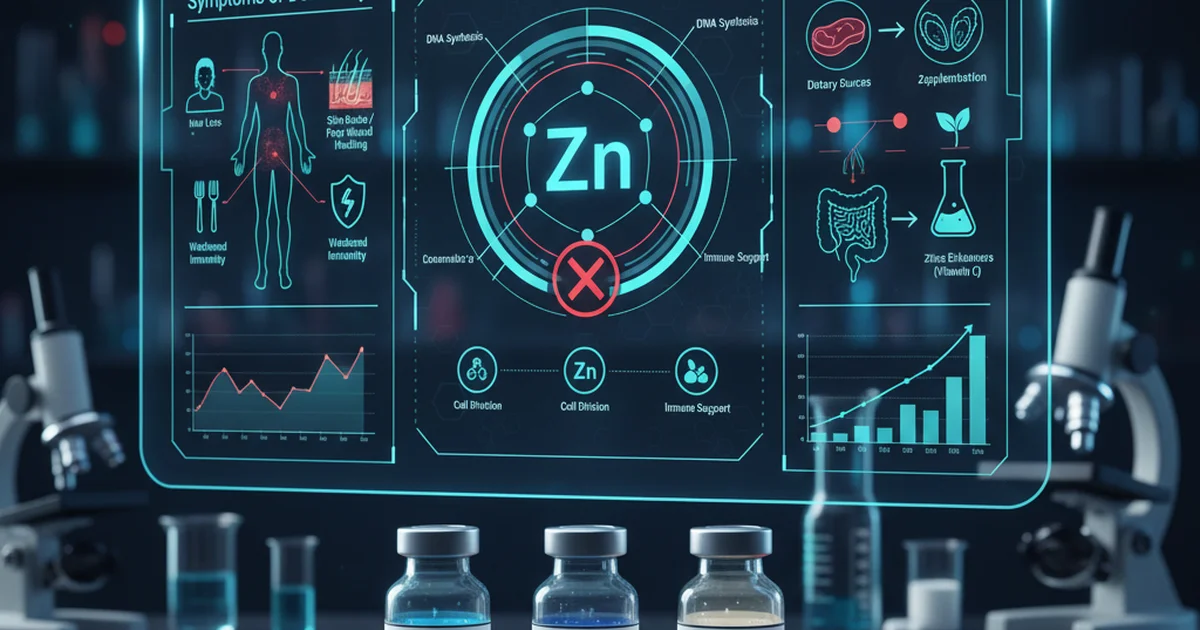
Direct answer: Zinc deficiency can cause a wide range of symptoms, including hair loss, frequent infections, skin problems like acne or rashes, and slow wound healing. It can also lead to a loss of appetite, taste, or smell, and in children, it may cause stunted growth. Recognizing these signs is the first step toward addressing a potential lack of this essential mineral.
TL;DR Zinc is a vital mineral your body needs for over 300 processes, including immune function, wound healing, and cell growth. When you don't get enough, it can lead to a surprising variety of health issues that are often overlooked. The most common signs involve your hair, skin, and immune system, but can also affect your senses and overall energy.
Key symptoms of zinc deficiency include:
- Hair loss or thinning, with brittle strands.
- Weakened immune function, leading to frequent colds or infections.
- Skin problems such as acne, eczema-like rashes, and dry skin.
- Slow healing of cuts, scrapes, or other wounds.
- Loss of appetite, or a reduced sense of taste and smell.
- Mood changes, including irritability, apathy, or brain fog.
- In men, it can contribute to low testosterone and reduced fertility.
Want the full explanation? Keep reading ↓
Zinc, an essential trace mineral, plays a pivotal role in maintaining human health, impacting over 300 enzymatic reactions and countless physiological processes. Despite its critical importance, zinc deficiency remains a widespread nutritional concern globally, affecting a significant portion of the population, particularly in developing countries. Often overlooked, a subtle or even overt lack of this vital nutrient can manifest in a surprising array of symptoms, from noticeable changes in hair and skin to profound impacts on our immune defenses and overall well-being.
Understanding the multifaceted roles of zinc, recognizing the signs of deficiency, and knowing how to ensure adequate intake through diet and, if necessary, supplementation, are crucial steps toward optimizing health.
The Multifaceted Role of Zinc in the Body
Zinc is a true workhorse among minerals, integral to fundamental biological functions. Its roles are so diverse that virtually every cell in the body relies on it for proper function.
- Enzymatic Catalyst: Zinc is a co-factor for more than 300 enzymes involved in metabolism, digestion, nerve function, and many other processes. These enzymes are crucial for breaking down nutrients, synthesizing proteins, and regulating gene expression.
- Immune System Function: Perhaps one of its most well-known roles, zinc is indispensable for the proper development and function of immune cells. It helps regulate immune responses, reducing inflammation and enhancing the body's ability to fight off infections. A deficiency can significantly compromise both innate and adaptive immunity.
- Cell Growth and Division: Zinc is essential for DNA synthesis and cell division, making it critical for growth and development, especially during periods of rapid growth like childhood, adolescence, and pregnancy.
- Wound Healing: Its role in cell proliferation and immune function makes zinc vital for tissue repair and wound healing. It contributes to collagen formation and helps maintain skin integrity.
- Sensory Function: Zinc is necessary for the function of taste buds and olfactory receptors, meaning it plays a direct role in our senses of taste and smell.
- Antioxidant Properties: While not a direct antioxidant, zinc is a component of superoxide dismutase (SOD), an important antioxidant enzyme that helps protect cells from damage by free radicals.
- Hormone Production: It influences the production and regulation of several hormones, including insulin, thyroid hormones, and sex hormones like testosterone.
Common Symptoms of Zinc Deficiency
Given its extensive physiological roles, a deficiency in zinc can lead to a wide spectrum of symptoms, ranging from mild to severe, often overlapping with other nutritional deficiencies or medical conditions. Recognizing these signs is the first step toward diagnosis and treatment.
Hair Loss
One of the most visually striking symptoms of zinc deficiency is hair loss, often diffuse and affecting the entire scalp. Zinc is critical for cell proliferation in hair follicles, and its absence can disrupt the hair growth cycle, leading to thinning hair, brittle strands, and in more severe cases, alopecia. This can be particularly distressing and is a common reason individuals seek medical advice regarding their zinc status.
Impaired Immune Function
A weakened immune system is a hallmark of zinc deficiency. Individuals may experience:
- Increased susceptibility to infections: Frequent colds, flu, and other viral or bacterial infections.
- Prolonged illness: Infections may last longer or be more severe than usual.
- Poor wound healing: Cuts, scrapes, and surgical incisions may take an unusually long time to heal, increasing the risk of infection at the wound site.
Skin Issues
Zinc's role in skin health is profound, and deficiency can manifest in various dermatological problems:
- Acne and Eczema-like rashes: Persistent or recurring skin lesions, often around the mouth, eyes, and perineum. These rashes can be red, scaly, and itchy.
- Dry, rough skin:
- Slow wound healing: As mentioned above, this is a significant indicator.
Growth Retardation (Children)
In children, zinc deficiency can have profound effects on development, leading to:
- Stunted growth: Both height and weight gain can be significantly impaired.
- Delayed sexual maturation: Puberty may be delayed in adolescents.
Loss of Appetite, Taste, and Smell
Zinc is crucial for the function of taste buds and olfactory receptors. A deficiency can cause:
- Hypogeusia (reduced taste sensation): Food may seem bland or tasteless.
- Anosmia (loss of smell):
- Anorexia: The diminished ability to taste and smell can lead to a significant reduction in appetite, creating a vicious cycle where reduced food intake further exacerbates the deficiency.
Eye Problems
While less common, zinc deficiency can contribute to certain eye conditions:
- Night blindness: Zinc is involved in the metabolism of vitamin A, which is essential for vision, particularly in low light.
- Retinal dysfunction:
Mental and Neurological Symptoms
The brain also requires zinc for optimal function. Deficiency can be associated with:
- Mood disturbances: Irritability, apathy, and depression.
- Cognitive impairment: Difficulties with concentration and memory.
Reproductive Health
Zinc is vital for reproductive health in both men and women:
- Male infertility: Low zinc levels can impair sperm production and motility, leading to reduced fertility.
- Low testosterone levels:
- Complications in pregnancy: Deficiency during pregnancy can increase the risk of preterm birth and low birth weight.
Who is at Risk of Zinc Deficiency?
Several populations are at higher risk of developing zinc deficiency due to dietary restrictions, increased needs, or impaired absorption:
- Vegetarians and Vegans: Plant-based diets often contain phytates (found in whole grains, legumes, nuts, and seeds), which bind to zinc and inhibit its absorption. While these foods contain zinc, its bioavailability can be lower.
- Pregnant and Lactating Women: The demands for zinc increase significantly during pregnancy and lactation to support fetal development and milk production.
- Alcoholics: Alcohol consumption impairs zinc absorption and increases its excretion through urine.
- Individuals with Gastrointestinal Disorders: Conditions like Crohn's disease, ulcerative colitis, celiac disease, short bowel syndrome, and chronic diarrhea can lead to malabsorption of zinc.
- Elderly Individuals: Older adults often have reduced dietary intake, lower stomach acid (which can affect absorption), and may be on medications that interfere with zinc metabolism.
- Individuals with Chronic Diseases: Those with chronic kidney disease, liver disease, or diabetes may have altered zinc metabolism.
- People with Sickle Cell Anemia: This condition is often associated with chronic zinc deficiency.
Diagnosing Zinc Deficiency
Diagnosing zinc deficiency can be challenging as symptoms are often non-specific and overlap with other conditions. A comprehensive approach involves evaluating clinical symptoms, dietary intake, and laboratory tests.
While serum zinc levels are the most common laboratory test, they don't always accurately reflect total body zinc stores, as the body tightly regulates serum levels, even at the expense of tissue reserves. Therefore, a diagnosis often relies on a combination of clinical suspicion, risk factors, and blood test results. For a deeper dive into the methodologies and interpretations of these tests, you might find it helpful to read more about [understanding how a zinc blood test can detect deficiency and toxicity].
Reference Ranges for Zinc Levels
It's important to note that normal zinc levels can vary slightly between laboratories and depend on the specific test methodology. However, general reference ranges provide a useful guide.
| Population | Normal Range | Units | Notes |
|---|---|---|---|
| Adult Men | 70-120 | µg/dL | Varies by lab |
| Adult Women | 70-120 | µg/dL | May be slightly lower in premenopausal |
| Children | 60-120 | µg/dL | Age-dependent |
| Infants | 50-100 | µg/dL | Lower than adults |
Understanding these ranges is crucial for interpreting your results. For more detailed information on what constitutes [normal zinc levels for men, women, and children], including factors that can influence these values, further reading is recommended.
Dietary Sources of Zinc
The best way to ensure adequate zinc intake is through a balanced diet rich in zinc-containing foods.
Animal Sources (High Bioavailability)
- Oysters: By far the richest dietary source of zinc.
- Red Meat: Beef, lamb, and pork are excellent sources.
- Poultry: Chicken and turkey, especially dark meat.
- Fish: Crab, lobster, and other seafood.
- Eggs:
- Dairy Products: Milk, yogurt, and cheese.
Plant Sources (Variable Bioavailability)
- Legumes: Lentils, chickpeas, black beans, kidney beans.
- Nuts and Seeds: Pumpkin seeds, cashews, almonds, hemp seeds.
- Whole Grains: Oats, quinoa, brown rice (though phytates can reduce absorption).
- Vegetables: Potatoes, mushrooms, kale (contain smaller amounts).
Enhancing Zinc Bioavailability
The bioavailability of zinc from plant-based foods can be lower due to the presence of phytates (phytic acid), which bind to zinc and other minerals, forming insoluble complexes that are not easily absorbed in the gut. However, there are strategies to improve absorption:
- Soaking, Sprouting, and Fermenting: These traditional preparation methods for legumes, grains, and seeds can significantly reduce phytate content, thereby increasing zinc bioavailability.
- Consuming with Protein: Animal proteins, particularly those rich in sulfur-containing amino acids, can enhance zinc absorption.
- Vitamin C: While not directly increasing zinc absorption, vitamin C can improve the absorption of non-heme iron, which in turn can reduce competition for absorption with zinc.
- Avoiding High Calcium/Iron Intake Concurrently: High doses of calcium or iron supplements can compete with zinc for absorption. It's often advisable to take these supplements at different times of the day.
Zinc Supplementation
While dietary intake is always preferred, supplementation may be necessary for individuals with confirmed zinc deficiency, those at high risk, or when dietary intake is insufficient.
When is Supplementation Necessary?
- Confirmed Deficiency: Based on symptoms and laboratory tests.
- High-Risk Groups: As identified above, especially if dietary modifications are insufficient.
- Specific Conditions: Such as severe diarrhea, chronic liver disease, or certain genetic disorders.
- Immune Support: Short-term supplementation (e.g., zinc lozenges for colds) can sometimes be beneficial, but chronic high-dose supplementation should be avoided without medical guidance.
Forms of Zinc Supplements
Zinc supplements come in various forms, each with different absorption rates:
- Zinc Gluconate/Acetate: Commonly found in lozenges for cold symptoms. Generally well-absorbed.
- Zinc Picolinate: Often marketed for superior absorption, though evidence is mixed.
- Zinc Citrate: Well-absorbed and commonly available.
- Zinc Sulfate: A common and inexpensive form, but can cause stomach upset in some individuals.
- Zinc Monomethionine (OptiZinc): A chelated form designed for improved absorption.
Dosage Considerations
The Recommended Dietary Allowance (RDA) for zinc is:
- Adult Men: 11 mg/day
- Adult Women: 8 mg/day
- Pregnant Women: 11 mg/day
- Lactating Women: 12 mg/day
Therapeutic doses for addressing a deficiency are typically higher than the RDA but should always be determined and supervised by a healthcare professional. Self-medicating with high doses of zinc can lead to toxicity and nutrient imbalances, particularly copper deficiency. The Tolerable Upper Intake Level (UL) for zinc from all sources (food and supplements) for adults is 40 mg/day. Exceeding this regularly can lead to adverse effects.
Potential Side Effects and Interactions
- Gastrointestinal Distress: Nausea, vomiting, diarrhea, and abdominal cramps are common, especially with higher doses or on an empty stomach.
- Copper Deficiency: Long-term, high-dose zinc supplementation can interfere with copper absorption, leading to copper deficiency, which can manifest as anemia and neurological problems. This is a critical consideration.
- Interactions with Medications: Zinc can interact with certain medications, including:
- Antibiotics: Quinolone and tetracycline antibiotics (zinc can reduce their absorption).
- Diuretics: Thiazide diuretics can increase zinc excretion.
- Penicillamine: A chelating agent used for Wilson's disease and rheumatoid arthritis (zinc can reduce its absorption).
Always consult with a healthcare provider before starting any zinc supplementation, especially if you are pregnant, breastfeeding, or taking other medications.
Actionable Advice for Prevention and Management
- Prioritize a Balanced Diet: Incorporate a variety of zinc-rich foods, both animal and plant-based, into your daily meals.
- Smart Food Preparation: Utilize methods like soaking, sprouting, and fermentation for legumes and grains to enhance zinc absorption.
- Be Mindful of Risk Factors: If you belong to a high-risk group, be particularly vigilant about your zinc intake and consider discussing your zinc status with a healthcare professional.
- Recognize Symptoms Early: Pay attention to your body and seek medical advice if you experience persistent symptoms suggestive of zinc deficiency, such as unexplained hair loss, frequent infections, or skin issues.
- Professional Guidance for Supplementation: Never self-prescribe high doses of zinc. If supplementation is deemed necessary, do so under the guidance of a doctor or registered dietitian to ensure appropriate dosage and monitor for potential side effects or interactions.
Conclusion
Zinc is a cornerstone of good health, essential for everything from immune function and wound healing to hair growth and sensory perception. Its deficiency can manifest in a wide array of symptoms, often subtly at first, making early recognition challenging but crucial. By understanding the critical roles of zinc, identifying risk factors, optimizing dietary intake, and seeking professional guidance for diagnosis and supplementation, individuals can effectively prevent and manage zinc deficiency, thereby supporting their overall health and well-being.
Frequently Asked Questions
What is the most common cause of abnormal Zinc levels?
The most common cause of abnormal zinc levels, particularly deficiency, is inadequate dietary intake, especially in populations relying heavily on refined grains or with limited access to diverse food sources. However, impaired absorption due to gastrointestinal disorders (like Crohn's disease, celiac disease, or chronic diarrhea), increased requirements (during pregnancy, lactation, or rapid growth), and excessive losses (due to alcoholism or certain kidney diseases) are also significant contributors. On the other hand, abnormally high zinc levels (toxicity) are almost exclusively caused by excessive supplementation, either accidental or intentional, as it's rare to achieve toxic levels through diet alone.
How often should I get my Zinc tested?
There is no universal recommendation for routine zinc testing in the general population. Testing is typically recommended if you exhibit symptoms suggestive of zinc deficiency, belong to a high-risk group (e.g., vegetarians/vegans with poor dietary planning, individuals with chronic gastrointestinal diseases, alcoholics, or those with unexplained hair loss or immune issues), or if you are undergoing treatment for a known deficiency. If you are taking zinc supplements, particularly at higher doses, your healthcare provider may recommend periodic testing to monitor levels and prevent toxicity or copper imbalance. Always consult your doctor to determine if zinc testing is appropriate for your specific health situation.
Can lifestyle changes improve my Zinc levels?
Absolutely. Significant improvements in zinc levels can often be achieved through lifestyle modifications, primarily focused on dietary changes. Incorporating more zinc-rich foods such as oysters, red meat, poultry, legumes, nuts, and seeds is paramount. For those on plant-based diets, utilizing food preparation methods like soaking, sprouting, and fermenting grains and legumes can enhance zinc bioavailability. Additionally, managing underlying conditions that impair absorption (e.g., treating celiac disease or Crohn's disease), reducing excessive alcohol consumption, and avoiding medications that interfere with zinc absorption (if medically appropriate and under supervision) can all contribute to healthier zinc levels. A balanced diet and a healthy lifestyle are the cornerstones of maintaining optimal micronutrient status.
Medical Disclaimer
This article is for educational purposes only. Always consult a healthcare professional.