Hypervitaminosis A: Symptoms of Vitamin A Toxicity
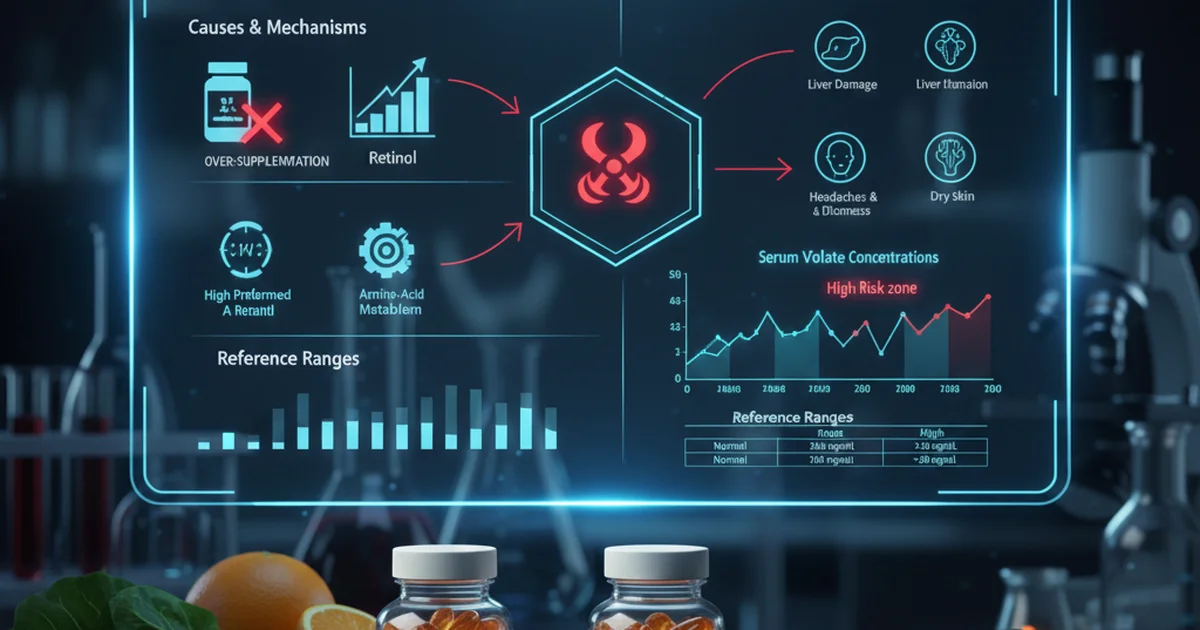
Vitamin A is an essential fat-soluble vitamin crucial for numerous physiological processes, including vision, immune function, cell growth, and reproduction. While vital for health, excessive intake can lead to a condition known as hypervitaminosis A, or vitamin A toxicity. This article delves into the causes, mechanisms, and symptoms of Vitamin A toxicity, emphasizing the role of dietary sources, bioavailability, and supplementation.
Understanding Vitamin A: Forms and Function
Vitamin A exists in two primary forms:
- Preformed Vitamin A (Retinoids): Found in animal products such as liver, fish oil, dairy products, and eggs. This form, primarily retinol, is readily absorbed and utilized by the body. It is also the type most commonly found in supplements.
- Provitamin A Carotenoids: Found in plant-based foods like carrots, sweet potatoes, spinach, and other colorful fruits and vegetables. The most well-known provitamin A carotenoid is beta-carotene. These compounds must be converted into retinol in the body, a process that is regulated and generally less efficient than absorbing preformed Vitamin A.
Both forms are crucial, but their distinct metabolic pathways and absorption rates play a significant role in the risk of toxicity. The body stores Vitamin A primarily in the liver, which acts as a reservoir. This storage capacity, while beneficial for maintaining levels during periods of lower intake, also means that excessive intake can lead to accumulation and, eventually, toxicity.
Dietary Sources and Bioavailability: A Critical Distinction
The risk of hypervitaminosis A is heavily influenced by the source of Vitamin A.
Preformed Vitamin A (Retinoids)
Foods rich in preformed Vitamin A include:
- Liver: Especially beef, chicken, and fish liver, which are exceptionally high in Vitamin A. A single serving of beef liver can far exceed the daily recommended intake.
- Fish Oils: Cod liver oil is a potent source.
- Dairy Products: Milk, cheese, and butter (often fortified).
- Eggs: Egg yolks contain significant amounts.
Bioavailability: Preformed Vitamin A from animal sources is highly bioavailable, meaning a large percentage (typically 70-90%) is absorbed and utilized by the body. This high absorption rate, coupled with the body's efficient storage mechanisms, makes dietary preformed Vitamin A a potential contributor to toxicity if consumed in very large quantities consistently, particularly liver.
Provitamin A Carotenoids
Foods rich in provitamin A carotenoids include:
- Orange and Yellow Vegetables: Carrots, sweet potatoes, pumpkin, squash.
- Dark Green Leafy Vegetables: Spinach, kale, collard greens.
- Orange and Yellow Fruits: Cantaloupe, apricots, mangoes.
Bioavailability: The conversion of provitamin A carotenoids to retinol is a complex process influenced by various factors, including the food matrix, cooking methods, and individual genetic variations. The efficiency of conversion is significantly lower than the absorption of preformed Vitamin A. For instance, it can take 8-27 units of beta-carotene to yield 1 unit of retinol activity equivalent. This regulated conversion acts as a protective mechanism, making it extremely rare to develop hypervitaminosis A from consuming provitamin A carotenoids in food alone. The most common symptom of excessive beta-carotene intake is carotenemia, a harmless yellowing of the skin, not true Vitamin A toxicity.
Supplementation: The Primary Risk Factor
While dietary intake of liver can contribute to toxicity, Vitamin A supplementation is by far the most common cause of hypervitaminosis A. Many multivitamin supplements contain preformed Vitamin A (retinyl palmitate or retinyl acetate), and stand-alone Vitamin A supplements often provide very high doses.
The recommended daily allowance (RDA) for Vitamin A is 700-900 micrograms (mcg) RAE (Retinol Activity Equivalents) for adults. The Tolerable Upper Intake Level (UL), which is the maximum daily intake unlikely to cause adverse health effects, is 3,000 mcg RAE (or 10,000 IU) for adults. Consistently exceeding this UL, especially through high-dose supplements, significantly increases the risk of toxicity. Some individuals, particularly those with pre-existing liver conditions or who consume large amounts of alcohol, may be more susceptible to toxicity even at lower doses.
It is crucial to be aware of the total Vitamin A intake from all sources – diet, multivitamins, and single-nutrient supplements – to avoid inadvertently exceeding safe limits. Understanding the difference between preformed Vitamin A and provitamin A carotenoids in supplements is also key; supplements containing only beta-carotene are generally safer in terms of toxicity risk compared to those with high doses of retinol.
Mechanisms of Vitamin A Toxicity
When Vitamin A intake consistently exceeds the liver's storage capacity and metabolic processing capabilities, it accumulates to toxic levels. The excess retinol and its metabolites can then exert various detrimental effects on cells and tissues throughout the body.
Key mechanisms include:
- Lysosomal Membrane Destabilization: High concentrations of retinoids can damage lysosomal membranes, releasing enzymes that can destroy cells.
- Mitochondrial Dysfunction: Retinoids can interfere with mitochondrial function, impairing energy production.
- Gene Expression Alteration: As a steroid hormone receptor ligand, retinoic acid can alter gene expression, leading to dysregulation of cell growth, differentiation, and apoptosis.
- Bone Remodeling Disruption: Excessive Vitamin A can interfere with osteoblast (bone-forming cell) and osteoclast (bone-resorbing cell) activity, leading to bone fragility and increased fracture risk.
Symptoms of Vitamin A Toxicity (Hypervitaminosis A)
Vitamin A toxicity can manifest in two forms: acute and chronic.
Acute Hypervitaminosis A
Acute toxicity occurs when an extremely large single dose of Vitamin A (e.g., >200,000 mcg RAE or >660,000 IU) is consumed. This is rare but can happen with accidental ingestion of high-potency supplements or consumption of polar bear or seal liver.
Symptoms of acute hypervitaminosis A typically appear within hours and include:
- Nausea and Vomiting: Often severe.
- Abdominal Pain: Intense discomfort in the stomach area.
- Headache: Usually throbbing and severe.
- Dizziness and Vertigo: A sensation of spinning or imbalance.
- Blurred Vision: Temporary impairment of sight.
- Irritability: Increased agitation and restlessness.
- Lethargy: Extreme fatigue and lack of energy.
- Skin Peeling: Particularly noticeable on the lips and extremities.
- Increased Intracranial Pressure (Pseudotumor Cerebri): This is a serious symptom characterized by severe headache, blurred vision, and papilledema (swelling of the optic disc), mimicking a brain tumor.
Chronic Hypervitaminosis A
Chronic toxicity develops from consistent intake of Vitamin A above the UL, typically over weeks, months, or years. Doses as low as 7,500-15,000 mcg RAE (25,000-50,000 IU) per day, maintained over an extended period, can lead to chronic toxicity in adults.
Medical Disclaimer
This article is for educational purposes only. Always consult a healthcare professional.