Best Foods for Rapid Vitamin C Boost
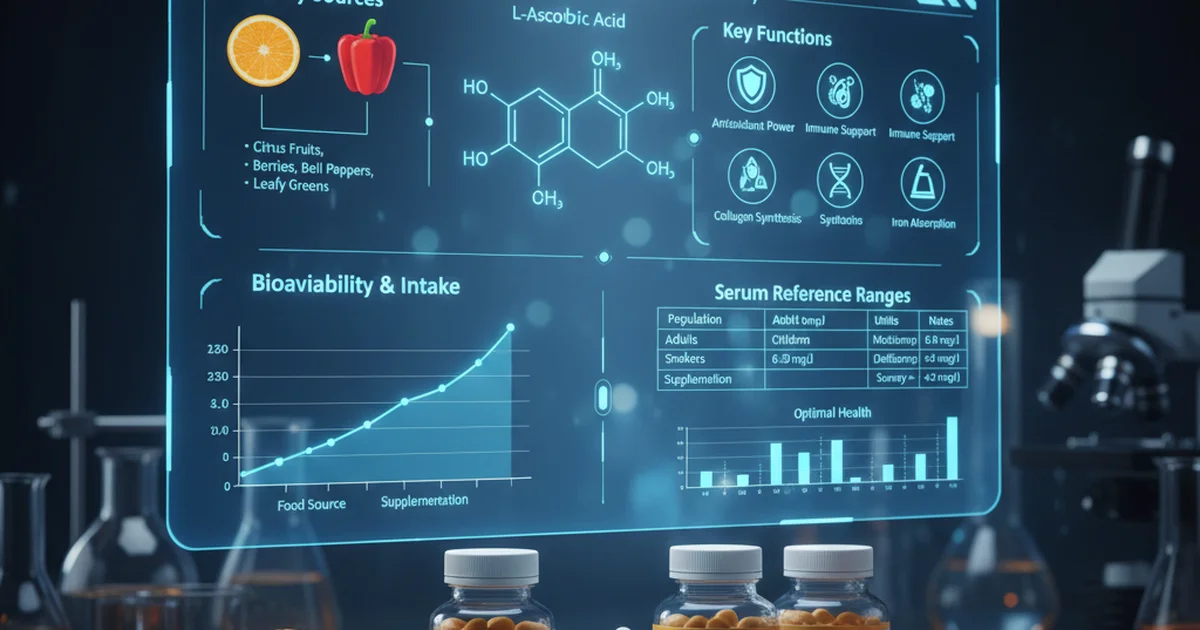
Vitamin C, also known as L-ascorbic acid, is an essential water-soluble vitamin renowned for its powerful antioxidant properties and its critical role in numerous physiological functions. Unlike most animals, humans cannot synthesize Vitamin C endogenously, meaning we must obtain it entirely through our diet or supplementation. A consistent intake of this vital nutrient is paramount for maintaining optimal health, preventing deficiency diseases, and supporting the body's natural defense mechanisms. This article will delve into the best dietary sources for a quick and effective Vitamin C boost, explore its bioavailability, discuss the role of supplementation, and provide crucial medical insights into its reference ranges and overall importance.
Why is Vitamin C So Crucial?
Vitamin C is far more than just an immune booster; its widespread functions make it indispensable for overall health. Its roles include:
- Potent Antioxidant: Vitamin C is a powerful antioxidant, scavenging harmful free radicals throughout the body. Free radicals can damage cells and DNA, contributing to chronic diseases and the aging process. By neutralizing these molecules, Vitamin C helps protect cellular integrity and reduces oxidative stress.
- Collagen Synthesis: It is a vital co-factor for enzymes involved in collagen production. Collagen is the most abundant protein in the body, forming the structural framework for skin, bones, tendons, ligaments, cartilage, and blood vessels. Adequate Vitamin C is essential for wound healing, maintaining skin elasticity, and ensuring strong connective tissues.
- Immune System Support: Vitamin C enhances various aspects of immune function. It supports the production and function of white blood cells (lymphocytes and phagocytes), which are critical for fighting infections. It also helps protect these immune cells from oxidative damage.
- Iron Absorption: Vitamin C significantly enhances the absorption of non-heme iron (iron from plant sources) in the digestive tract. This is particularly important for individuals following vegetarian or vegan diets and for preventing iron-deficiency anemia.
- Neurotransmitter Synthesis: It is a co-factor in the synthesis of several neurotransmitters, including norepinephrine, which plays a role in mood, attention, and stress response.
- Carnitine Production: Vitamin C is necessary for the synthesis of carnitine, a molecule essential for the transport of fatty acids into mitochondria for energy production.
Understanding Vitamin C Needs and Deficiency
The Recommended Dietary Allowance (RDA) for Vitamin C varies by age, gender, and specific physiological states. For most adult men, the RDA is 90 mg/day, and for adult women, it is 75 mg/day. Pregnant and lactating women have higher requirements (85 mg and 120 mg/day, respectively). Smokers require an additional 35 mg/day due to increased oxidative stress from cigarette smoke.
Vitamin C deficiency, if severe and prolonged, leads to scurvy, a condition characterized by fatigue, gum inflammation and bleeding, poor wound healing, joint pain, easy bruising, and impaired immunity. While rare in developed countries, suboptimal Vitamin C levels are more common and can subtly impact health, contributing to fatigue, weakened immunity, and poor skin health.
To assess Vitamin C status, plasma or serum levels are typically measured. Here are general reference ranges:
| Population | Normal Range | Units | Notes |
|---|---|---|---|
| Healthy Adults | 23-85 | µmol/L | Plasma/serum levels |
| Suboptimal | 11-22 | µmol/L | Increased risk of deficiency symptoms |
| Deficiency | <11 | µmol/L | Associated with scurvy symptoms |
| Smokers | Often lower | µmol/L | Higher requirements due to oxidative stress |
It's important to note that these ranges can vary slightly between laboratories. A physician or registered dietitian can interpret your specific results in the context of your overall health.
The Best Dietary Sources for a Rapid Vitamin C Boost
While citrus fruits are famously known for their Vitamin C content, many other fruits and vegetables offer even higher concentrations, making them excellent choices for a rapid boost. The key to maximizing Vitamin C intake from food is to consume fresh, raw, or lightly cooked produce. Vitamin C is heat-sensitive and water-soluble, meaning it can be degraded by cooking and leached into cooking water.
Here are some of the top dietary sources:
- Bell Peppers (Especially Red and Yellow): These are Vitamin C powerhouses. A single medium red bell pepper can provide over 200% of the daily recommended intake. They are excellent raw in salads or as a snack.
- Guava: This tropical fruit is exceptionally rich in Vitamin C, often containing four to five times the amount found in an orange.
- Kiwifruit: Both green and gold kiwis are packed with Vitamin C, alongside other beneficial nutrients like fiber and Vitamin K. One medium kiwi provides well over 100% of the daily value.
- Strawberries: These delicious berries are not only high in Vitamin C but also rich in other antioxidants. A cup of strawberries provides more than the daily recommended amount.
- Broccoli: This cruciferous vegetable offers a significant amount of Vitamin C, along with fiber and other vitamins. Steaming or light stir-frying can help retain its nutrient content.
- Kale: Another cruciferous vegetable, kale is a nutrient-dense food providing excellent amounts of Vitamin C, Vitamin K, and various antioxidants.
- Oranges and Other Citrus Fruits (Grapefruit, Lemons, Limes): While not the absolute highest, citrus fruits remain a reliable and popular source of Vitamin C. A medium orange typically provides around 70-80 mg.
- Papaya: This tropical fruit is a fantastic source of Vitamin C, with a medium papaya offering well over 100% of the daily value.
- Pineapple: Sweet and tangy, pineapple also contributes a good amount of Vitamin C, along with bromelain, an enzyme with anti-inflammatory properties.
- Tomatoes: While often thought of as a vegetable, tomatoes are botanically fruits and contain a decent amount of Vitamin C, especially when consumed raw or lightly cooked.
- Chili Peppers: Surprisingly, many varieties of chili peppers, especially yellow and green ones, are incredibly high in Vitamin C. Just be mindful of their heat!
- Brussels Sprouts: Like broccoli and kale, these mini cabbages are excellent sources of Vitamin C and other beneficial compounds.
Maximizing Bioavailability from Foods
Bioavailability refers to the proportion of a nutrient that is absorbed from the diet and utilized by the body. For Vitamin C, several factors influence its bioavailability:
- Raw vs. Cooked: As a heat-sensitive vitamin, raw fruits and vegetables offer the highest bioavailability of Vitamin C. Cooking methods like boiling can lead to significant losses (up to 70%) as the vitamin leaches into the water or degrades with heat. Steaming, stir-frying, or microwaving for short durations can help preserve more of the vitamin.
- Storage: Vitamin C content can decrease over time, especially when produce is exposed to light and air. Storing fruits and vegetables properly (e.g., in a cool, dark place or the refrigerator) and consuming them fresh maximizes their Vitamin C content.
- Food Matrix: The presence of other compounds in foods can sometimes enhance or inhibit nutrient absorption. For Vitamin C, the presence of bioflavonoids in fruits and vegetables may improve its absorption and utilization, though research on this is ongoing.
- Individual Factors: Digestive health, nutrient status, and genetics can also influence how efficiently an individual absorbs Vitamin C.
To get the most Vitamin C from your diet, aim for a variety of colorful fruits and vegetables daily, prioritize raw options like salads, smoothies, and fruit snacks, and use cooking methods that minimize nutrient loss.
When Dietary Sources Aren't Enough: Supplementation
While a diet rich in fruits and vegetables is the ideal way to obtain Vitamin C, there are circumstances where supplementation may be beneficial or even necessary. These include:
- Inadequate Dietary Intake: Individuals with limited access to fresh produce, picky eaters, or those with dietary restrictions might struggle to meet their daily Vitamin C needs.
- Increased Requirements: Certain conditions, such as smoking, chronic stress, pregnancy, lactation, recovery from surgery, or specific medical conditions, can increase the body's demand for Vitamin C.
- Malabsorption Issues: Conditions affecting the digestive tract, like Crohn's disease or celiac disease, can impair nutrient absorption, making supplementation a viable option.
- Convenience: For some, supplements offer a convenient way to ensure consistent intake.
Vitamin C supplements are available in various forms:
- Ascorbic Acid: This is the most common and least expensive form, chemically identical to naturally occurring Vitamin C. It is generally well-absorbed.
- Mineral Ascorbates: These are buffered forms (e.g., sodium ascorbate, calcium ascorbate, magnesium ascorbate) that are less acidic and may be gentler on the stomach for individuals prone to gastrointestinal upset from ascorbic acid.
- Liposomal Vitamin C: This form encapsulates Vitamin C in a liposomal (fat-based) delivery system, which some claim enhances absorption and bioavailability by protecting the vitamin from degradation in the digestive tract. While promising, more robust clinical research is needed to definitively prove superior efficacy over standard ascorbic acid in all cases.
When considering supplementation, it's crucial to adhere to recommended dosages and be aware of potential side effects from excessive intake. While Vitamin C is water-soluble and generally considered safe, very high doses can lead to gastrointestinal distress, such as diarrhea, nausea, and abdominal cramps. For a detailed understanding of the risks associated with high doses and what constitutes an overdose, you can learn more about [can you overdose on vitamin c side effects explained]. The tolerable upper intake level (UL) for adults is 2,000 mg per day. Always consult with a healthcare professional before starting any new supplement regimen, especially if you have underlying health conditions or are taking other medications.
Factors Affecting Vitamin C Levels
Several lifestyle and medical factors can influence your body's Vitamin C levels:
- Smoking: As mentioned, smokers have significantly lower plasma Vitamin C levels due to increased oxidative stress and metabolic turnover of the vitamin. They require a higher daily intake.
- Alcohol Consumption: Chronic alcohol intake can impair nutrient absorption and increase metabolic demands, potentially leading to lower Vitamin C levels.
- Stress: Both physical and psychological stress can increase the body's utilization of Vitamin C.
- Certain Medications: Some medications, such as aspirin, oral contraceptives, and corticosteroids, may affect Vitamin C status or increase its excretion.
- Chronic Diseases: Conditions like diabetes, kidney disease, and certain cancers can impact Vitamin C metabolism and increase requirements.
- Age: While not a direct cause of deficiency, older adults may have reduced dietary intake or absorption, increasing their risk of suboptimal levels.
Maintaining a healthy lifestyle, managing stress, avoiding smoking, and addressing any underlying medical conditions are all critical steps in supporting optimal Vitamin C status.
Conclusion
Vitamin C is an indispensable nutrient vital for immune function, collagen synthesis, antioxidant defense, and iron absorption. While supplementation can play a role, the most effective and holistic way to achieve a rapid and sustained boost in Vitamin C levels is through a diet rich in fresh, raw fruits and vegetables. Prioritizing foods like bell peppers, guava, kiwi, strawberries, and broccoli ensures a robust intake. Understanding the factors that affect Vitamin C bioavailability and being mindful of cooking methods can further enhance your dietary intake. Always consult with a healthcare professional for personalized advice regarding your Vitamin C needs, especially if considering high-dose supplementation or if you have concerns about deficiency or potential side effects.
Frequently Asked Questions
What is the most common cause of abnormal Vitamin C levels?
The most common cause of abnormally low Vitamin C levels is inadequate dietary intake of fruits and vegetables. This can stem from limited access to fresh produce, restrictive diets, poor dietary habits, or conditions that increase the body's requirements without a compensatory increase in intake (e.g., smoking, chronic illness, severe stress). While rare in developed nations, severe, chronic dietary inadequacy leads to scurvy. Abnormally high levels from diet alone are extremely rare due to its water-soluble nature and rapid excretion; however, excessive supplementation can lead to transient high levels and potential gastrointestinal side effects.
How often should I get my Vitamin C tested?
For most healthy individuals consuming a balanced diet rich in fruits and vegetables, routine Vitamin C testing is not typically necessary. However, testing may be recommended by a healthcare provider if there are specific risk factors for deficiency (e.g., chronic smoking, alcohol abuse, malabsorption disorders, certain chronic illnesses, or very restrictive diets), or if an individual presents with symptoms suggestive of Vitamin C deficiency (e.g., unexplained fatigue, bleeding gums, poor wound healing, easy bruising). The frequency of testing would then depend on the individual's clinical picture and the advice of their physician.
Can lifestyle changes improve my Vitamin C levels?
Absolutely. Lifestyle changes are paramount for improving and maintaining optimal Vitamin C levels. The most impactful change is adopting a diet rich in Vitamin C-dense fruits and vegetables, prioritizing fresh and raw options. Quitting smoking is another critical step, as smoking significantly depletes Vitamin C. Reducing chronic stress, moderating alcohol intake, and managing underlying chronic health conditions can also contribute to better Vitamin C status by reducing the body's metabolic demand or improving absorption. These holistic approaches are often more effective and sustainable than relying solely on supplements.
Medical Disclaimer
This article is for educational purposes only. Always consult a healthcare professional.