Can You Overdose on Vitamin C? Side Effects Explained
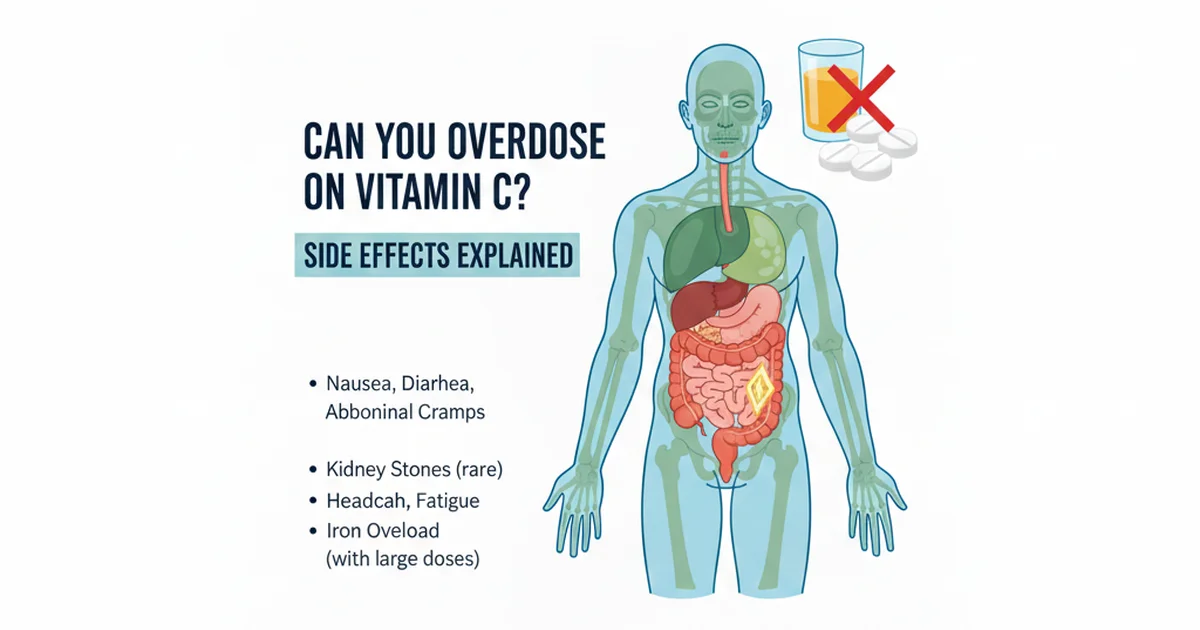
Vitamin C, also known as ascorbic acid, is an essential water-soluble vitamin renowned for its powerful antioxidant properties and its crucial role in numerous physiological processes. From bolstering immune function to aiding in collagen synthesis, its importance to human health is undeniable. Given its widespread availability in supplements and its presence in many popular foods, a common question arises: can one consume too much Vitamin C, and what are the potential consequences? This article delves into the intricacies of Vitamin C, exploring its dietary sources, how the body handles it, the concept of "overdose," and the side effects associated with high intake.
The Indispensable Role of Vitamin C in the Body
Vitamin C is a vital nutrient that the human body cannot produce on its own, making dietary intake essential. Its functions are diverse and critical for maintaining overall health:
- Potent Antioxidant: Vitamin C is a powerful antioxidant, meaning it helps protect cells from damage caused by free radicals. Free radicals are unstable molecules that can contribute to chronic diseases like heart disease, cancer, and neurodegenerative disorders. By neutralizing these harmful molecules, Vitamin C plays a crucial role in cellular protection and anti-aging processes.
- Collagen Synthesis: It is an indispensable co-factor for enzymes involved in the synthesis of collagen, the main structural protein in connective tissues. Collagen is vital for healthy skin, bones, tendons, ligaments, and blood vessels. Without adequate Vitamin C, collagen production is impaired, leading to symptoms like easy bruising, poor wound healing, and weakened bones, characteristic of scurvy.
- Immune System Support: Vitamin C contributes significantly to immune defense by supporting various cellular functions of both the innate and adaptive immune systems. It enhances the production and function of white blood cells, such as phagocytes and lymphocytes, and helps protect immune cells from oxidative damage.
- Iron Absorption: Vitamin C greatly enhances the absorption of non-heme iron (iron from plant-based sources) in the gut. This is particularly important for vegetarians and vegans, or individuals at risk of iron deficiency anemia.
- Neurotransmitter Synthesis: It is involved in the biosynthesis of several neurotransmitters, including norepinephrine, which plays a role in mood, sleep, and stress response.
- Carnitine Synthesis: Vitamin C is required for the synthesis of L-carnitine, a molecule essential for the transport of fatty acids into mitochondria for energy production.
Dietary Sources of Vitamin C
Nature provides an abundance of Vitamin C in various fruits and vegetables. Incorporating a colorful array of these foods into your daily diet is the best way to ensure adequate intake.
- Citrus Fruits: Oranges, grapefruits, lemons, and limes are classic sources, widely recognized for their high Vitamin C content.
- Berries: Strawberries, blueberries, raspberries, and cranberries are packed with Vitamin C, along with other beneficial antioxidants.
- Bell Peppers: Especially red and yellow bell peppers, which often contain more Vitamin C per serving than an orange.
- Cruciferous Vegetables: Broccoli, Brussels sprouts, cabbage, and cauliflower are excellent sources.
- Other Fruits: Kiwi, mango, papaya, and cantaloupe also provide significant amounts.
- Other Vegetables: Tomatoes, spinach, and potatoes (especially baked with the skin) contribute to daily intake.
Important Considerations for Dietary Vitamin C:
- Heat Sensitivity: Vitamin C is sensitive to heat, light, and air. Cooking methods like boiling can significantly reduce its content in foods as it leaches into the water. Steaming, stir-frying, or consuming raw fruits and vegetables helps preserve its integrity.
- Storage: Proper storage, such as refrigeration and minimizing exposure to air, can help retain Vitamin C levels in produce.
Bioavailability of Vitamin C
Bioavailability refers to the proportion of a nutrient that is absorbed from the diet and utilized by the body. For Vitamin C, bioavailability is generally high at lower doses but decreases as the dose increases.
- Absorption Mechanisms: Vitamin C is absorbed in the small intestine primarily through active transport mechanisms involving sodium-dependent Vitamin C transporters (SVCTs). At very high concentrations, passive diffusion may also occur.
- Saturation Kinetics: The body has a limited capacity to absorb and retain Vitamin C. As oral doses increase, the percentage of absorption decreases.
- At doses of 30-180 mg, absorption is around 70-90%.
- At doses of 1 gram (1000 mg), absorption may drop to less than 50%.
- At doses exceeding 1-2 grams, the absorption rate drops sharply, and much of the unabsorbed Vitamin C continues to the large intestine, where it can draw water, leading to gastrointestinal distress.
- Tissue Saturation: Plasma concentrations of Vitamin C are tightly regulated. Once plasma levels reach saturation (around 60-80 µmol/L or 1.0-1.4 mg/dL), further increases in oral intake result in minimal additional increase in plasma levels, with the excess being rapidly excreted by the kidneys.
- Oral vs. Intravenous Administration: While oral Vitamin C absorption is limited by gut transporters, intravenous (IV) administration bypasses the digestive system and can achieve much higher plasma concentrations, which are sometimes used in specific clinical settings, though this is not without its own considerations and risks.
- Factors Affecting Bioavailability: Individual factors like gut health, age, and smoking status can influence Vitamin C absorption and utilization. Smokers, for instance, have lower plasma Vitamin C levels and require a higher intake to achieve saturation.
Recommended Daily Allowances (RDAs) and Upper Intake Levels (ULs)
To prevent deficiency and ensure adequate intake for most healthy individuals, various health organizations establish Recommended Daily Allowances (RDAs):
- Adult Men: 90 mg/day
- Adult Women: 75 mg/day
- Pregnant Women: 85 mg/day
- Lactating Women: 120 mg/day
- Smokers: An additional 35 mg/day is recommended due to increased oxidative stress and metabolic turnover of Vitamin C.
The Upper Intake Level (UL) is the maximum daily nutrient intake unlikely to cause adverse health effects in almost all individuals in the general population. For Vitamin C, the UL for adults is 2000 mg (2 grams) per day. This limit is primarily set due to the potential for gastrointestinal disturbances rather than severe toxicity.
Can You Overdose on Vitamin C? Understanding Toxicity
The term "overdose" typically implies a toxic amount that can cause severe harm or death. In the context of Vitamin C, a true fatal overdose is virtually unheard of due to its water-soluble nature. Vitamin C is generally considered to have a very low toxicity profile. When consumed in amounts exceeding the body's needs or absorption capacity, the excess is primarily excreted in the urine.
However, while a fatal "overdose" is highly improbable, consuming very high doses of Vitamin C, especially through supplements, can lead to unpleasant and potentially harmful side effects. It's more accurate to discuss these as adverse effects from excessive intake rather than a classical overdose.
The UL of 2000 mg/day is a critical threshold. While some individuals might tolerate slightly higher doses without immediate issues, consistently exceeding this amount increases the risk of experiencing adverse effects.
Side Effects of High-Dose Vitamin C
Most side effects associated with high Vitamin C intake are not life-threatening but can be uncomfortable. They primarily stem from the unabsorbed Vitamin C in the digestive tract or its metabolic byproducts.
1. Gastrointestinal Distress
This is the most common side effect of high-dose oral Vitamin C and the primary reason for the UL.
- Diarrhea: When large amounts of Vitamin C are consumed, the unabsorbed portion in the intestine can act as an osmotic agent, drawing water into the bowel and leading to loose stools or diarrhea. This is often referred to as "bowel tolerance."
- Nausea: Some individuals may experience stomach upset or nausea.
- Abdominal Cramps: Intestinal discomfort and cramping can also occur.
2. Kidney Stone Formation
This is a more concerning potential side effect, particularly for individuals predisposed to kidney stones.
- Oxalate Metabolism: Vitamin C is metabolized in the body into various compounds, including oxalate. Oxalate is a major component of the most common type of kidney stone (calcium oxalate stones).
- Increased Risk: While the evidence is not entirely conclusive for healthy individuals, consistently high doses of Vitamin C (e.g., >2000 mg/day) may increase urinary oxalate excretion, thereby potentially raising the risk of kidney stone formation, especially in individuals with a history of kidney stones or underlying kidney issues. Individuals with a history of kidney stones should exercise extreme caution with high-dose Vitamin C supplementation and consult their physician.
3. Iron Overload
Vitamin C significantly enhances the absorption of non-heme iron. While beneficial for iron-deficient individuals, this can be problematic for those with conditions involving iron overload.
- Hemochromatosis: Individuals with hereditary hemochromatosis, a genetic disorder causing excessive iron absorption and accumulation in the body, should be very cautious with Vitamin C supplementation. High doses of Vitamin C can exacerbate iron overload, leading to tissue damage in organs like the liver, heart, and pancreas. Such individuals should avoid high-dose Vitamin C supplements unless specifically advised by their doctor.
4. False Readings on Medical Tests
High doses of Vitamin C can interfere with certain medical laboratory tests:
- Stool Occult Blood Tests: Vitamin C's reducing properties can lead to false-negative results in tests for occult blood in stool, potentially masking gastrointestinal bleeding.
- Glucose Tests: It can also interfere with certain urine and blood glucose tests, leading to inaccurate readings for individuals with diabetes.
5. Nutrient Imbalances
While less common, very high doses of one nutrient can sometimes interfere with the absorption or metabolism of other nutrients, though this is not a widespread concern with Vitamin C at typical supplemental levels.
Specific Populations and Considerations
Certain groups of people need to be particularly mindful of their Vitamin C intake:
- Individuals with Kidney Disease: Those with chronic kidney disease (CKD) have impaired kidney function, which can affect the excretion of Vitamin C and its metabolites, including oxalate. High doses could potentially worsen kidney function or increase kidney stone risk. Individuals with kidney disease should always consult their nephrologist before taking Vitamin C supplements.
- Individuals with Glucose-6-Phosphate Dehydrogenase (G6PD) Deficiency: In rare cases, very high doses of intravenous Vitamin C have been reported to cause hemolytic anemia (destruction of red blood cells) in individuals with G6PD deficiency. While this is less likely with oral supplementation, caution is warranted.
- Pregnancy and Lactation: While Vitamin C is essential during pregnancy and lactation, extremely high doses are generally not recommended without medical supervision. The UL for pregnant and lactating women is 2000 mg/day.
Vitamin C Supplementation
While a balanced diet is the best way to obtain Vitamin C, supplementation can be beneficial in certain situations:
- Confirmed Deficiency: For individuals diagnosed with Vitamin C deficiency or scurvy, supplements are crucial for rapid repletion.
- Increased Needs: Smokers, individuals exposed to significant environmental pollutants, or those with certain medical conditions might have higher Vitamin C requirements that are difficult to meet through diet alone.
- Limited Dietary Intake: People with restricted diets, allergies, or poor appetite might benefit from supplementation.
- Specific Clinical Uses: Under medical supervision, high-dose Vitamin C (often intravenously) is explored in various therapeutic contexts, though these are typically outside the scope of general supplementation.
Forms of Vitamin C Supplements:
- Ascorbic Acid: The most common and least expensive form. It is effective but can be acidic, potentially causing gastrointestinal upset in sensitive individuals.
- Mineral Ascorbates (Buffered Vitamin C): Forms like sodium ascorbate, calcium ascorbate, or magnesium ascorbate are "buffered," making them less acidic and potentially gentler on the stomach. They also provide small amounts of the associated mineral.
- Liposomal Vitamin C: Encapsulates Vitamin C in liposomes (fat-based spheres), which proponents claim can improve absorption and bioavailability, especially at higher doses, by protecting it through the digestive tract. More research is needed to definitively confirm its superiority over other forms.
- Vitamin C with Bioflavonoids: Some supplements combine Vitamin C with bioflavonoids, plant compounds that naturally occur with Vitamin C in foods. While bioflavonoids have antioxidant properties themselves, their specific synergistic effect on Vitamin C absorption or efficacy is still debated.
When choosing a supplement, look for reputable brands and consider the form that best suits your needs and tolerance. Always adhere to recommended dosages unless otherwise advised by a healthcare professional.
Monitoring Vitamin C Levels
Routine Vitamin C testing is not typically recommended for the general population. However, it may be indicated in specific situations:
- Symptoms of Deficiency: If an individual presents with signs suggestive of scurvy (e.g., fatigue, gum bleeding, poor wound healing, joint pain).
- Risk Factors for Deficiency: In populations at high risk, such as chronic smokers, individuals with malabsorption disorders (e.g., Crohn's disease, celiac disease), severe malnutrition, or certain chronic illnesses.
- Before High-Dose IV Therapy: To establish baseline levels and monitor response in clinical settings where high-dose intravenous Vitamin C is being considered.
DETAILED REFERENCE RANGES TABLE
| Population/Status | Normal Range (Plasma) | Units | Notes |
|---|---|---|---|
| Deficiency | <0.2 | mg/dL | Associated with scurvy; severe symptoms likely |
| Low/Suboptimal | 0.2-0.4 | mg/dL | Increased risk of chronic disease; mild symptoms possible |
| Sufficient | 0.4-2.0 | mg/dL | Optimal health range; adequate tissue stores |
| Saturated/High | >2.0 | mg/dL | Tissue saturation; excess readily excreted |
Note: Plasma Vitamin C levels can vary slightly between laboratories and measurement methods. These ranges provide a general guideline. A concentration of 0.5 mg/dL (28 µmol/L) is often considered the threshold for adequate Vitamin C status.
Actionable Advice
- Prioritize Whole Foods: The safest and most effective way to obtain Vitamin C is through a diet rich in fruits and vegetables. This also provides a host of other beneficial nutrients and fiber.
- Respect the UL: Be mindful of the Upper Intake Level of 2000 mg/day for adults. While side effects are generally mild, consistently exceeding this can lead to discomfort and potentially more serious issues for vulnerable individuals.
- Consult a Healthcare Professional: If considering high-dose Vitamin C supplementation (above the RDA or nearing the UL), especially if you have underlying health conditions (e.g., kidney disease, hemochromatosis, a history of kidney stones), always consult your doctor or a registered dietitian. They can assess your individual needs and risks.
- Stay Hydrated: If you are taking Vitamin C supplements, ensure adequate fluid intake to help your kidneys excrete any excess and minimize the risk of kidney stone formation.
- Listen to Your Body: If you experience gastrointestinal upset after taking Vitamin C, reduce your dose or try a buffered form.
In conclusion, while a true "overdose" of Vitamin C leading to severe, life-threatening toxicity is exceedingly rare due to its water-soluble nature, excessive intake can certainly lead to uncomfortable and potentially harmful side effects. Understanding your body's needs, prioritizing dietary sources, and respecting established upper intake levels are key to safely harnessing the many benefits of this essential vitamin.
Frequently Asked Questions
What is the most common cause of abnormal Vitamin C levels?
The most common cause of abnormally low Vitamin C levels (deficiency) is inadequate dietary intake. This can result from a diet lacking in fresh fruits and vegetables, particularly in individuals with limited access to nutritious foods, those with restrictive diets, or individuals with poor eating habits. Additionally, certain factors can increase Vitamin C requirements or impair absorption, leading to lower levels even with seemingly adequate intake. These include smoking, chronic alcohol abuse, malabsorption syndromes (e.g., Crohn's disease, ulcerative colitis, celiac disease), certain chronic illnesses (e.g., kidney disease, cancer), and severe psychological stress. Abnormally high Vitamin C levels are typically a result of excessive supplementation, as the body tightly regulates plasma levels and excretes unabsorbed or surplus amounts when intake is primarily from dietary sources.
How often should I get my Vitamin C tested?
Routine Vitamin C testing is not recommended for the general healthy population. The body's Vitamin C status is usually adequately maintained through a balanced diet, and clinical deficiency (scurvy) is rare in developed countries. However, testing may be warranted if you exhibit symptoms suggestive of Vitamin C deficiency (e.g., unexplained fatigue, gum bleeding, easy bruising, poor wound healing, joint pain), or if you belong to a high-risk group (e.g., chronic smokers, individuals with severe malnutrition, malabsorption disorders, or certain chronic diseases like end-stage renal disease). Your healthcare provider will determine if testing is appropriate based on your medical history, symptoms, and risk factors.
Can lifestyle changes improve my Vitamin C levels?
Absolutely. Lifestyle changes are the cornerstone of optimizing Vitamin C levels. The most impactful change is to increase your intake of fresh fruits and vegetables, particularly those known to be rich in Vitamin C like citrus fruits, berries, bell peppers, broccoli, and leafy greens. Aim for a diverse and colorful diet. Additionally, quitting smoking is crucial, as smoking significantly depletes Vitamin C stores and increases oxidative stress. Reducing alcohol consumption can also help, as excessive alcohol can impair nutrient absorption and utilization. Managing chronic stress and ensuring a generally healthy gut microbiome can indirectly support overall nutrient absorption, including Vitamin C. Minimizing cooking times and exposure to heat and air when preparing Vitamin C-rich foods can also help preserve their content.
Medical Disclaimer
This article is for educational purposes only. Always consult a healthcare professional.