Vitamin C and Iron Absorption: The Connection
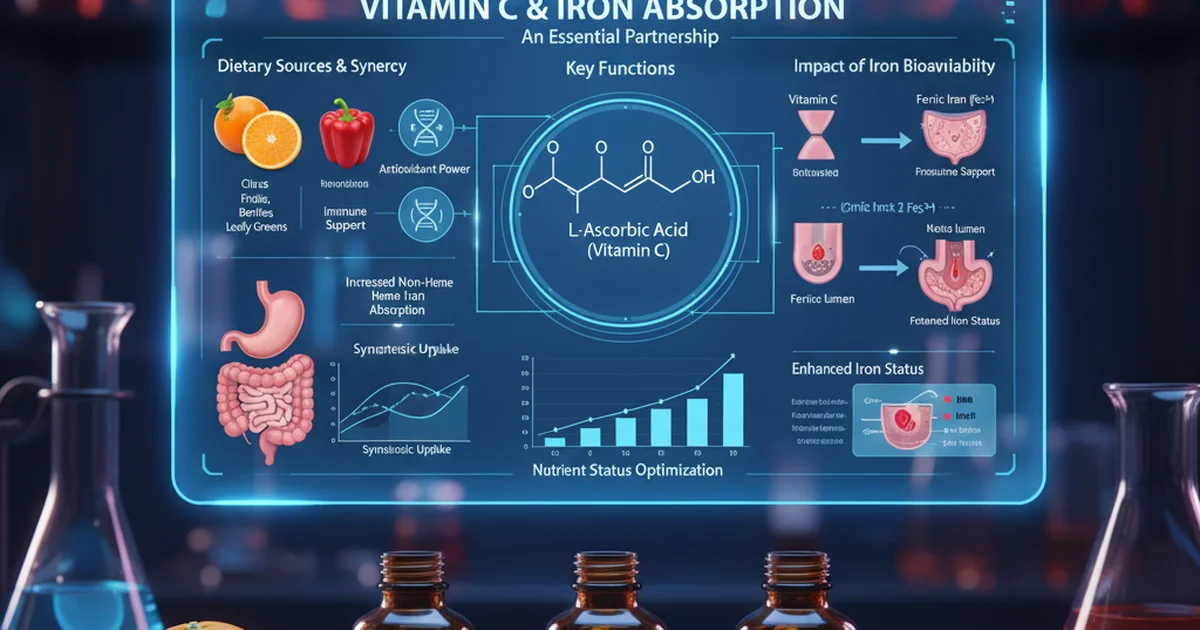
Vitamin C, scientifically known as L-ascorbic acid, is a powerful water-soluble vitamin and antioxidant vital for numerous bodily functions. While widely celebrated for its immune-boosting properties and role in collagen synthesis, one of its most critical, yet often overlooked, functions is its profound impact on iron absorption. Understanding this intricate relationship is key to optimizing nutrient status and preventing common deficiencies.
The Essential Role of Vitamin C
Vitamin C is an indispensable micronutrient that the human body cannot produce on its own, making dietary intake absolutely essential. Its functions are diverse and far-reaching:
- Potent Antioxidant: It protects cells from damage caused by free radicals, which are byproducts of metabolism and environmental exposure. This antioxidant activity is crucial for overall cellular health and disease prevention.
- Collagen Synthesis: Vitamin C is a co-factor for enzymes involved in collagen production, the primary structural protein in connective tissues, skin, bones, and blood vessels. Adequate collagen is essential for wound healing, skin integrity, and strong bones.
- Immune System Support: It supports various cellular functions of both the innate and adaptive immune systems, enhancing the body's ability to fight off infections.
- Neurotransmitter Synthesis: It is involved in the synthesis of several neurotransmitters, which are crucial for brain function and mood regulation.
- Carnitine Synthesis: Vitamin C is necessary for the synthesis of carnitine, a molecule essential for the transport of fatty acids into mitochondria for energy production.
Beyond these roles, its interaction with iron absorption stands out as particularly significant for public health, especially given the global prevalence of iron deficiency.
Understanding Iron and Its Importance
Iron is a critical mineral required for various physiological processes, most notably oxygen transport and energy metabolism. It is a fundamental component of:
- Hemoglobin: The protein in red blood cells that carries oxygen from the lungs to all parts of the body.
- Myoglobin: A protein that stores oxygen in muscle cells.
- Enzymes: Numerous enzymes involved in energy production and DNA synthesis rely on iron.
Iron deficiency is the most common nutritional deficiency worldwide, leading to iron-deficiency anemia, characterized by fatigue, weakness, pale skin, shortness of breath, and impaired cognitive function.
Iron exists in two primary forms in the diet:
- Heme Iron: Found exclusively in animal products such as red meat, poultry, and fish. Heme iron is highly bioavailable, meaning it is readily absorbed by the body, with absorption rates typically ranging from 15-35%.
- Non-Heme Iron: Found in both plant-based foods (legumes, spinach, fortified cereals, nuts, seeds) and animal products. Non-heme iron is less bioavailable than heme iron, with absorption rates typically ranging from 2-20%. Its absorption is also highly influenced by other dietary factors.
The Synergistic Connection: Vitamin C and Non-Heme Iron Absorption
The most profound connection between Vitamin C and iron lies in Vitamin C's remarkable ability to significantly enhance the absorption of non-heme iron. This is particularly crucial for individuals following vegetarian or vegan diets, or anyone consuming a diet rich in plant-based foods.
Here's how Vitamin C facilitates this process:
- Reduction of Ferric Iron (Fe3+) to Ferrous Iron (Fe2+): In the stomach, dietary non-heme iron is often in its ferric (Fe3+) state, which is poorly soluble and not easily absorbed. Vitamin C acts as a powerful reducing agent, converting ferric iron into its more soluble and absorbable ferrous (Fe2+) form. This conversion is critical because the intestinal cells primarily absorb iron in the ferrous state.
- Chelation and Solubility: Vitamin C can chelate (bind to) ferrous iron, forming a soluble complex that prevents it from forming insoluble compounds with other dietary inhibitors (like phytates and polyphenols) in the gut. This keeps the iron available for absorption.
- Overcoming Absorption Inhibitors: Many plant-based foods contain compounds like phytates (found in grains, legumes, nuts) and polyphenols (found in tea, coffee, some vegetables and fruits) that can bind to non-heme iron and inhibit its absorption. Vitamin C's presence effectively counteracts these inhibitors, ensuring more iron is absorbed.
Consuming Vitamin C-rich foods or supplements alongside non-heme iron sources can increase iron absorption by up to 2 to 3 times. This makes it a vital strategy for preventing and managing iron deficiency, especially in populations at higher risk.
Dietary Sources of Vitamin C
Emphasizing a "food first" approach is always recommended for obtaining essential nutrients. Many delicious and readily available foods are excellent sources of Vitamin C.
- Citrus Fruits: Oranges, grapefruits, lemons, limes.
- Berries: Strawberries, blueberries, raspberries, cranberries.
- Tropical Fruits: Kiwi, mango, papaya, pineapple.
- Cruciferous Vegetables: Broccoli, Brussels sprouts, cauliflower.
- Bell Peppers: Especially red and yellow varieties, which are exceptionally high in Vitamin C.
- Leafy Greens: Spinach, kale (though some other nutrients in these can inhibit iron absorption, Vitamin C still provides a net benefit).
- Tomatoes: Fresh tomatoes and tomato products.
- Potatoes: Especially baked potatoes with skin.
To maximize the benefits for iron absorption, it's advised to pair these Vitamin C-rich foods with plant-based iron sources. For instance, adding bell peppers to a lentil stew, strawberries to an iron-fortified cereal, or a squeeze of lemon juice over a spinach salad can significantly boost non-heme iron uptake. For more ideas on boosting your intake, explore the [best foods for rapid Vitamin C boost].
Bioavailability of Vitamin C
Bioavailability refers to the proportion of a nutrient that is absorbed from the diet and used by the body. For Vitamin C, bioavailability is generally high at lower doses but decreases as the dose increases.
- Dietary Vitamin C: When consumed through foods, Vitamin C is typically well-absorbed. However, it is sensitive to heat, light, and air. Cooking methods like boiling can significantly reduce its content in foods, as it leaches into cooking water. Steaming or quick stir-frying can help retain more of the vitamin.
- Supplementation: Vitamin C supplements, typically in the form of ascorbic acid, are also highly bioavailable. However, the body has a saturation point. Doses above 200 mg are absorbed less efficiently, and mega-doses can lead to gastrointestinal discomfort due to unabsorbed Vitamin C drawing water into the intestine.
Factors influencing Vitamin C bioavailability:
- Dose: Higher single doses result in lower absorption efficiency.
- Individual Status: Individuals with lower Vitamin C status may absorb it more efficiently.
- GI Health: Conditions affecting gut absorption can impact Vitamin C uptake.
Vitamin C Supplementation
While dietary sources are ideal, supplementation may be necessary for some individuals, especially those with inadequate dietary intake, increased needs, or conditions affecting absorption.
- Forms of Vitamin C:
- Ascorbic Acid: The most common and least expensive form, highly effective.
- Mineral Ascorbates (e.g., Sodium Ascorbate, Calcium Ascorbate): Buffered forms that may be less acidic and gentler on the stomach for sensitive individuals.
- Liposomal Vitamin C: Encapsulated in liposomes, claimed to offer superior absorption, though evidence is still developing.
- Ascorbyl Palmitate: A fat-soluble ester of Vitamin C, often used in topical applications.
- Dosage: The Recommended Dietary Allowance (RDA) for adults is 90 mg/day for men and 75 mg/day for women. Smokers require an additional 35 mg/day. For enhancing iron absorption, doses typically range from 200-500 mg taken with iron-rich meals or iron supplements.
- Considerations: While Vitamin C is water-soluble and generally considered safe, very high doses can lead to side effects. It's important to understand [can you overdose on Vitamin C and what side effects are explained]. These can include gastrointestinal upset (diarrhea, nausea, abdominal cramps) and, in susceptible individuals, an increased risk of kidney stones. Individuals with hemochromatosis (an iron overload disorder) should avoid Vitamin C supplementation with iron due to the enhanced absorption.
Practical Advice for Optimizing Iron Absorption with Vitamin C
Integrating Vitamin C with iron-rich foods or supplements is a straightforward yet powerful strategy.
- Pairing Plant-Based Iron with Vitamin C:
- Eat citrus fruits or bell peppers with a lentil or bean dish.
- Add berries to your iron-fortified breakfast cereal.
- Squeeze lemon juice over dark leafy greens.
- Drink a glass of orange juice with an iron-rich vegetarian meal.
- Timing with Iron Supplements: If you take an iron supplement, it is often recommended to take it with a Vitamin C supplement or a Vitamin C-rich food to maximize absorption.
- Avoid Iron Inhibitors: Try to separate consumption of strong iron absorption inhibitors (like tea, coffee, and high-calcium foods/supplements) from iron-rich meals or iron supplements by at least two hours.
- Cooking Methods: Opt for steaming, stir-frying, or raw consumption of Vitamin C-rich vegetables to preserve nutrient content.
Vitamin C Reference Ranges
Understanding typical Vitamin C levels can help assess nutritional status. These ranges can vary slightly between laboratories and methods.
| Population | Normal Range | Units | Notes |
|---|---|---|---|
| Adult (Optimal) | 50-80 | µmol/L | Plasma/Serum. Associated with good health. |
| Adult (Adequate) | 28-49 | µmol/L | Plasma/Serum. Sufficient for most functions. |
| Adult (Marginal Deficiency) | 11-27 | µmol/L | Plasma/Serum. Increased risk of deficiency symptoms. |
| Adult (Deficient/Scurvy Risk) | < 11 | µmol/L | Plasma/Serum. Clinical deficiency (scurvy) likely. |
| Children | Varies by age | µmol/L | Generally similar to adults for adequate status, but deficiency thresholds can differ. |
Note: These ranges refer to plasma or serum ascorbic acid levels. Optimal levels are crucial for full antioxidant protection and collagen synthesis.
Conclusion
The connection between Vitamin C and iron absorption is a prime example of how micronutrients work synergistically within the body. Vitamin C's unique ability to transform non-heme iron into a more absorbable form makes it an indispensable partner in preventing and managing iron deficiency. By consciously incorporating Vitamin C-rich foods alongside iron sources, or through targeted supplementation when necessary, individuals can significantly improve their iron status, enhance overall health, and reduce the risk of debilitating conditions like iron-deficiency anemia. Always consult with a healthcare professional or registered dietitian for personalized advice regarding your nutritional needs and supplementation strategies.
Frequently Asked Questions
What is the most common cause of abnormal Vitamin C levels?
The most common cause of abnormally low Vitamin C levels (deficiency) is inadequate dietary intake. This can result from a lack of consumption of fresh fruits and vegetables, overcooking foods (which destroys Vitamin C), or restrictive diets. Certain conditions can also increase Vitamin C requirements or impair absorption, such as smoking, chronic illnesses, malabsorption disorders (like Crohn's disease or celiac disease), kidney disease requiring dialysis, and excessive alcohol consumption. Abnormally high levels are far less common due to Vitamin C being water-soluble and readily excreted, but can occur with very high-dose supplementation leading to gastrointestinal issues, though true toxicity is rare.
How often should I get my Vitamin C tested?
For most healthy individuals consuming a balanced diet rich in fruits and vegetables, routine Vitamin C testing is generally not necessary. However, testing may be recommended if you exhibit symptoms of deficiency (e.g., fatigue, easy bruising, bleeding gums, poor wound healing), have risk factors for deficiency (e.g., smoker, chronic disease, restrictive diet), or are undergoing evaluation for other nutritional deficiencies. Your doctor may also recommend testing if you are on specific medications that affect Vitamin C metabolism. The frequency of testing would then be determined by your healthcare provider based on your individual health status and risk factors.
Can lifestyle changes improve my Vitamin C levels?
Absolutely. Lifestyle changes are highly effective in improving and maintaining healthy Vitamin C levels. The primary change involves increasing your intake of Vitamin C-rich foods, such as citrus fruits, berries, bell peppers, broccoli, and leafy greens. Prioritizing fresh, raw, or lightly cooked produce can help preserve the vitamin content. Quitting smoking is another crucial lifestyle change, as smoking significantly depletes Vitamin C levels. Reducing chronic stress and excessive alcohol consumption can also indirectly support better nutrient status. For individuals at risk, incorporating these dietary and lifestyle modifications is the cornerstone of optimizing Vitamin C status.
Medical Disclaimer
This article is for educational purposes only. Always consult a healthcare professional.