How to Optimize Ferritin Levels Naturally
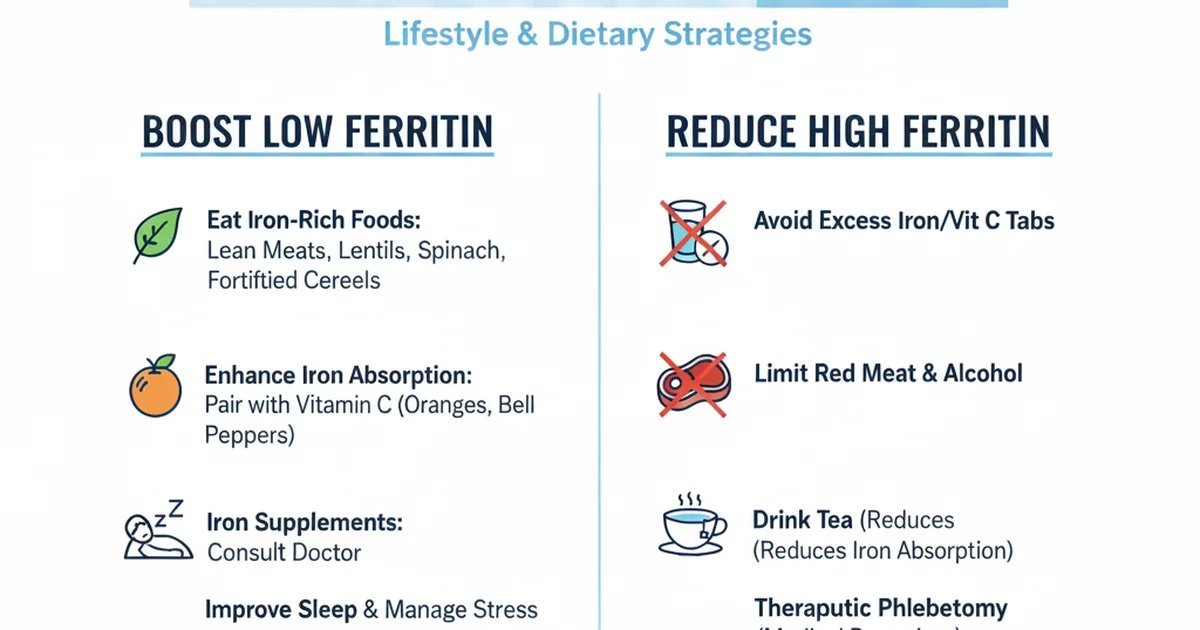
Ferritin is the primary intracellular protein that stores iron and releases it in a controlled fashion. Because ferritin reflects the amount of iron stored in the body, it is a crucial marker for diagnosing iron deficiency, iron overload, and a host of chronic conditions. While laboratory tests can tell you where you stand, many people can improve their ferritin levels through diet, lifestyle tweaks, and targeted supplementation. This article provides an evidence‑based roadmap for naturally optimizing ferritin, with a focus on food sources, bioavailability, and safe supplementation strategies.
Reference Ranges for Ferritin
| Population | Normal Range | Units | Notes |
|---|---|---|---|
| Adult Men | 30‑400 | ng/mL | Upper limit may be lower in populations at risk for iron overload |
| Adult Women (premenopausal) | 15‑150 | ng/mL | Menstrual losses lower the typical range |
| Adult Women (postmenopausal) | 30‑400 | ng/mL | Hormonal changes raise ferritin toward male range |
| Children (1‑12 yr) | 7‑140 | ng/mL | Age‑dependent; infants have higher ranges in the first year |
| Adolescents (13‑18 yr) | 12‑150 | ng/mL | Puberty influences iron demand |
| Pregnancy (1st trimester) | 12‑150 | ng/mL | 2nd and 3rd trimesters may see a slight rise |
| Elderly (≥65 yr) | 20‑300 | ng/mL | Chronic disease can affect interpretation |
Interpretation must consider clinical context, inflammation markers, and individual variability.
Understanding Ferritin Physiology
What Ferritin Measures
- Storage Iron: Ferritin stores iron atoms inside a protein shell; each molecule can hold up to 4,500 iron atoms.
- Acute‑Phase Reactant: Ferritin rises in response to inflammation, infection, or liver disease, which can mask true iron deficiency.
Why Ferritin Matters
- Low ferritin (< 15 ng/mL) is the earliest laboratory sign of iron deficiency before anemia develops.
- High ferritin (> 400 ng/mL) may indicate iron overload (hemochromatosis), chronic inflammation, or liver pathology.
Dietary Strategies to Raise Ferritin
1. Prioritize Heme Iron Sources
Heme iron, found in animal tissues, is absorbed at a rate of 15‑35 %—significantly higher than non‑heme iron. Include the following foods regularly:
| Food | Approx. Heme Iron (mg/100 g) |
|---|---|
| Beef liver | 6.5 |
| Lean beef (sirloin) | 2.6 |
| Chicken thigh (dark meat) | 1.3 |
| Turkey (dark meat) | 1.2 |
| Pork (loin) | 1.0 |
| Lamb (leg) | 1.5 |
| Sardines (canned in oil) | 2.5 |
Actionable tip: Aim for 2–3 servings of heme iron foods per week if you are iron‑deficient; a single serving of liver (≈ 100 g) can supply 30‑40 % of daily iron needs.
2. Boost Non‑Heme Iron Intake
Non‑heme iron is abundant in plant foods but less efficiently absorbed (2‑20 %). Optimize its bioavailability:
| Food | Non‑Heme Iron (mg/100 g) |
|---|---|
| Lentils (cooked) | 3.3 |
| Chickpeas (cooked) | 2.9 |
| Tofu (firm) | 2.7 |
| Spinach (cooked) | 3.6 |
| Swiss chard (cooked) | 2.2 |
| Pumpkin seeds | 3.3 |
| Quinoa (cooked) | 1.5 |
| Fortified cereals (per serving) | 4‑18 |
Tips to improve absorption:
- Combine with Vitamin C: Ascorbic acid converts ferric (Fe³⁺) to ferrous (Fe²⁺), the absorbable form. Add citrus juice, strawberries, bell peppers, or broccoli to iron‑rich meals.
- Cook in Cast‑Iron Cookware: Up to 5 mg of iron can leach into food during cooking, especially with acidic dishes.
- Avoid Inhibitors at Meals: Polyphenols (tea, coffee), calcium (dairy), and phytates (whole grains, legumes) can reduce iron uptake. Separate their consumption by at least two hours from iron‑rich meals.
3. Include Iron‑Enhancing Herbs and Spices
- Turmeric (curcumin) and cumin contain compounds that modestly increase iron absorption.
- Black pepper (piperine) may boost the bioavailability of iron from plant sources.
4. Hydration and Gastric Acid
Adequate stomach acid is essential for converting iron to the absorbable ferrous state. Chronic use of proton‑pump inhibitors (PPIs) or antacids can impair iron uptake. If you must use acid‑suppressing medication, discuss timing with your clinician or consider a low‑dose betaine HCl supplement under medical supervision.
Lifestyle Factors Influencing Ferritin
| Factor | Effect on Ferritin | Practical Recommendation |
|---|---|---|
| Menstrual Blood Loss | Lowers ferritin in premenopausal women | Use iron‑rich diet, consider iron supplement during heavy cycles |
| Intense Endurance Exercise | Can cause mild hemolysis and iron loss | Include post‑exercise iron‑rich snack with Vitamin C |
| Chronic Inflammation (e.g., obesity, autoimmune disease) | Elevates ferritin independent of iron stores | Manage inflammation through diet (Omega‑3s, antioxidants) and medical treatment |
| Alcohol Consumption | Impairs liver function, can raise ferritin falsely | Limit to ≤ 1 drink/day for women, ≤ 2 drinks/day for men |
| Sleep Deprivation | May increase inflammatory markers, indirectly raising ferritin | Aim for 7‑9 hours/night |
Supplementation Strategies
When to Supplement
- Documented low ferritin (< 30 ng/mL) with or without anemia.
- Symptoms of iron deficiency (fatigue, restless legs, hair loss) after dietary optimization.
- Pregnancy or lactation where iron requirements increase dramatically.
Choosing the Right Iron Form
| Form | Elemental Iron % | Absorption Rate | Gastro‑intestinal Tolerance |
|---|---|---|---|
| Ferrous sulfate | 20 % | High | Commonly causes constipation/ nausea |
| Ferrous gluconate | 12 % | Moderate | Milder GI side effects |
| Ferrous fumarate | 33 % | High | Similar tolerance to sulfate |
| Heme iron polypeptide | 10‑12 % | Very high (mimics meat) | Well tolerated, less affected by inhibitors |
| Iron bisglycinate (chelated) | 20‑25 % | High | Good tolerance, minimal interaction with food |
Evidence‑based tip: For most adults, ferrous sulfate 325 mg (≈ 65 mg elemental iron) taken once daily is effective. If GI side effects are problematic, switch to ferrous gluconate or a chelated form.
Dosage Guidelines
- Mild deficiency (Ferritin 15‑30 ng/mL): 60‑100 mg elemental iron daily for 8‑12 weeks, then re‑test.
- Moderate‑severe deficiency (Ferritin < 15 ng/mL): 120‑200 mg elemental iron daily for 12‑16 weeks, followed by maintenance dose (30‑60 mg).
Important: Do not exceed 200 mg elemental iron per day without medical supervision; excess iron can cause oxidative stress and gastrointestinal injury.
Timing and Co‑factors
- Empty Stomach: Iron is best absorbed on an empty stomach (30 minutes before meals or 2 hours after).
- Vitamin C Co‑administration: 250‑500 mg of ascorbic acid (e.g., orange juice) with each iron dose can increase absorption by 2‑3‑fold.
- Avoid Calcium and Antacids: Separate by at least 2 hours.
- Probiotic Support: Certain strains (Lactobacillus plantarum) may improve iron absorption and reduce constipation; consider a probiotic supplement if GI symptoms arise.
Monitoring and Safety
- Re‑measure ferritin 4–6 weeks after initiating therapy.
- Watch for signs of iron overload: dark stools, abdominal pain, joint pain, or a sudden rise in ferritin > 400 ng/mL.
- If ferritin rises rapidly, discontinue supplementation and investigate underlying inflammation or liver disease.
Integrative Approach: Putting It All Together
Baseline Assessment
- Obtain ferritin, serum iron, total iron‑binding capacity (TIBC), and C‑reactive protein (CRP) to differentiate deficiency from inflammation.
Dietary Optimization (Weeks 1‑4)
- Schedule heme iron meals 3 times per week.
- Pair every non‑heme iron serving with a Vitamin C source.
- Use cast‑iron cookware for stews and sauces.
- Space tea/coffee and calcium‑rich foods away from iron meals.
Lifestyle Modifications (Concurrent)
- Manage menstrual blood loss with appropriate gynecologic care.
- Reduce chronic inflammation through an Omega‑3‑rich diet, weight management, and stress reduction.
Targeted Supplementation (If Needed)
- Start with a low‑dose iron supplement (e.g., ferrous gluconate 100 mg) with Vitamin C.
- Titrate up based on tolerance and ferritin response.
Follow‑up Testing (Week 6–8)
- Re‑check ferritin and CRP.
- If ferritin has improved to > 70 ng/mL and symptoms resolve, downgrade to a maintenance dose (30 mg elemental iron) or discontinue.
Long‑Term Maintenance
- Continue a balanced diet with regular iron‑rich foods.
- Periodic ferritin screening every 6–12 months, especially for women of childbearing age, athletes, and those with chronic illnesses.
Common Myths Debunked
Myth: “Iron supplements are always safe.”
- Fact: Excess iron is toxic; unnecessary supplementation can cause oxidative damage and increase infection risk.
Myth: “Vegetarians cannot raise ferritin.”
- Fact: With strategic food combinations (iron + Vitamin C) and optional fortified foods, non‑heme iron can meet needs.
Myth: “High ferritin always means iron overload.”
- Fact: Ferritin is an acute‑phase reactant; inflammation, liver disease, and metabolic syndrome can elevate levels independent of iron stores.
Action Plan Checklist
- Get a comprehensive iron panel (Ferritin, Serum Iron, TIBC, CRP).
- Incorporate at least two heme‑iron meals per week.
- Pair every iron‑rich food with Vitamin C (e.g., squeeze lemon on spinach).
- Cook acidic dishes in cast‑iron pots at least twice weekly.
- Limit tea/coffee to ≤ 30 minutes after iron meals.
- If ferritin < 30 ng/mL, start iron supplement with Vitamin C, monitor tolerance.
- Re‑test ferritin after 6 weeks; adjust dose accordingly.
- Maintain a balanced diet and schedule annual ferritin checks.
Frequently Asked Questions
What is the most common cause of abnormal Ferritin levels?
The most frequent cause of low ferritin is iron deficiency due to inadequate dietary intake, chronic blood loss (e.g., heavy menstrual periods, gastrointestinal bleeding), or increased physiological demand such as pregnancy or rapid growth. Conversely, high ferritin most often reflects chronic inflammation, liver disease, or metabolic syndrome, rather than true iron overload. Differentiating between these scenarios requires looking at accompanying markers like CRP, serum iron, and transferrin saturation.
How often should I get my Ferritin tested?
For individuals with known iron deficiency, re‑test every 4‑6 weeks after starting supplementation to gauge response. In the general population, a baseline ferritin is advisable every 1‑2 years, with more frequent testing (every 6‑12 months) for women of reproductive age, athletes, or those with chronic inflammatory conditions.
Can lifestyle changes improve my Ferritin levels?
Absolutely. Optimizing dietary iron intake, enhancing absorption with Vitamin C, using cast‑iron cookware, and spacing inhibitors away from meals can raise ferritin without medication. Additionally, reducing chronic inflammation through weight management, regular exercise, adequate sleep, and limiting alcohol intake helps normalize ferritin that is elevated due to an acute‑phase response. For many people, these lifestyle adjustments are the first line of defense before resorting to supplements.
Medical Disclaimer
This article is for educational purposes only. Always consult a healthcare professional.