High Serum Iron (Iron Overload): Warning Signs
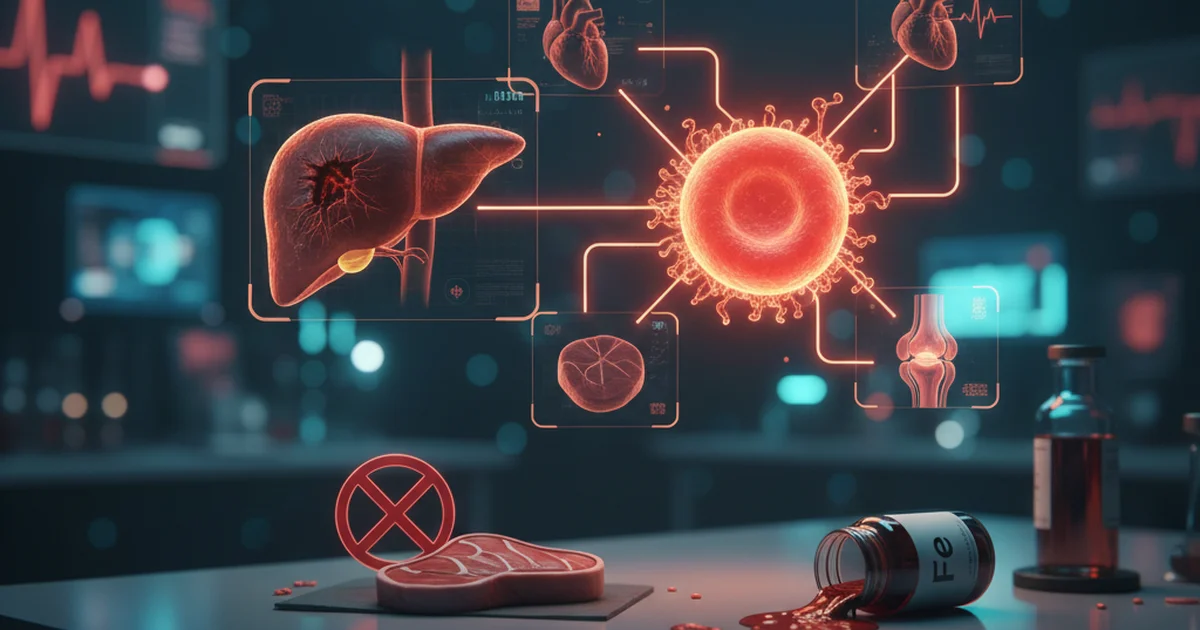
Reference Ranges for Serum Iron
| Population | Normal Range | Units | Notes |
|---|---|---|---|
| Adult Men (≥ 19 y) | 60‑170 | µg/dL | Upper limit may be lower in labs using high‑sensitivity methods |
| Adult Women (≥ 19 y) | 50‑150 | µg/dL | Lower end often reduced in pre‑menopausal women due to menstrual loss |
| Pregnant Women (2nd‑3rd trimester) | 40‑130 | µg/dL | Physiologic plasma volume expansion dilutes serum iron |
| Children (1‑12 y) | 40‑130 | µg/dL | Age‑specific; toddlers tend toward the lower end |
| Adolescents (13‑18 y) | 50‑150 | µg/dL | Pubertal hormonal changes affect iron metabolism |
| Elderly (≥ 65 y) | 50‑150 | µg/dL | Chronic disease may alter interpretation |
Values are typical laboratory cut‑offs; individual labs may report slightly different ranges.
Introduction
Serum iron reflects the amount of circulating iron bound to transferrin, the transport protein that shuttles iron to tissues. While iron deficiency is a common cause of anemia, excess iron—known as iron overload—poses its own set of health risks. Elevated serum iron can be an early warning sign of conditions such as hereditary hemochromatosis, transfusion‑related iron loading, or excessive dietary/supplemental intake. Recognizing the warning signs, understanding dietary contributors, and applying evidence‑based management strategies are essential for preventing organ damage and maintaining overall health.
Understanding Serum Iron
- Serum Iron Test – measures the concentration of iron bound to transferrin at a single point in time.
- Total Iron‑Binding Capacity (TIBC) – estimates the maximum amount of iron that transferrin can carry; used together with serum iron to calculate transferrin saturation.
- Transferrin Saturation – (serum iron ÷ TIBC) × 100; values > 45 % often suggest iron overload.
- Ferritin – intracellular iron storage protein; rises in both iron overload and inflammation, making interpretation context‑dependent.
Because serum iron fluctuates with meals and diurnal rhythms, fasting morning samples are preferred for accurate assessment.
Causes of Elevated Serum Iron
| Etiology | Mechanism | Typical Clinical Clues |
|---|---|---|
| Hereditary Hemochromatosis (HFE gene mutations) | Impaired regulation of intestinal iron absorption → chronic accumulation | Family history, skin hyperpigmentation, early‑onset arthritis |
| Repeated Blood Transfusions | Each unit delivers ~250 mg elemental iron; body lacks an excretory pathway | Patients with thalassemia, sickle cell disease, or chronic anemia |
| Excessive Oral Iron Supplementation | Over‑dose or misuse of ferrous sulfate, gluconate, or carbonyl iron | Self‑prescribed high‑dose supplements, GI upset |
| Dietary Iron Overload | Consistent consumption of large amounts of heme iron (red meat, organ meats) | Vegetarian diet unlikely; typical in certain cultural diets |
| Liver Disease (e.g., alcoholic hepatitis) | Hepatocellular injury releases stored iron into circulation | Elevated liver enzymes, jaundice |
| Hemolytic Anemia | Accelerated breakdown of red cells liberates iron | Dark urine, rapid reticulocytosis |
Warning Signs of Iron Overload
High serum iron often remains silent until organ damage accrues. The following signs should prompt further evaluation:
1. General Symptoms
- Fatigue and weakness – paradoxically common despite iron excess.
- Unexplained weight loss – may reflect early metabolic disturbances.
2. Dermatologic Clues
- Bronze or grayish skin discoloration – classic “bronze diabetes” in advanced hemochromatosis.
- Hyperpigmentation of the palms and knuckles – due to iron deposition in the dermis.
3. Hepatic Manifestations
- Elevated liver enzymes (ALT, AST) without an obvious cause.
- Hepatomegaly on physical exam or imaging.
- Progressive fibrosis or cirrhosis in chronic cases.
4. Endocrine and Metabolic Indicators
- New‑onset diabetes mellitus – iron deposition impairs pancreatic β‑cells.
- Hypogonadism – decreased libido, menstrual irregularities, or erectile dysfunction due to pituitary involvement.
5. Cardiovascular Signs
- Cardiomyopathy – arrhythmias, reduced ejection fraction, or heart failure in severe overload.
- Atrial fibrillation – more common in patients with high iron burden.
6. Musculoskeletal Findings
- Arthralgia and early osteoarthritis, especially of the second and third MCP joints.
7. Joint and Bone Changes
- Chondrocalcinosis – calcium pyrophosphate deposition disease linked to excess iron.
Critical note: When any combination of these signs appears alongside a serum iron level above the upper reference limit, a comprehensive iron study (including ferritin, transferrin saturation, and genetic testing when appropriate) should be ordered promptly.
Dietary Sources of Iron
Heme Iron (Highly Bioavailable)
- Red meat (beef, lamb, pork) – 2.5‑3 mg per 100 g.
- Organ meats (liver, kidney) – 5‑9 mg per 100 g; liver is the richest source.
- Poultry (dark meat) – 1‑2 mg per 100 g.
Non‑Heme Iron (Variable Bioavailability)
- Legumes (lentils, chickpeas, beans) – 2‑3 mg per cup cooked.
- Whole grains (quinoa, fortified cereals) – 1‑2 mg per serving.
- Nuts and seeds (pumpkin, sesame) – 1‑2 mg per ounce.
- Leafy greens (spinach, kale) – 0.8‑1 mg per cup cooked.
Fortified Foods
- Breakfast cereals – often contain 10‑18 mg per serving (synthetic ferrous sulfate).
- Plant‑based milks – fortified with 1‑2 mg per cup.
Key point: While non‑heme iron constitutes the majority of dietary iron for most people, its absorption is markedly lower (10‑20 %) compared with heme iron (15‑35 %).
Bioavailability: Enhancers and Inhibitors
Enhancers (Increase Non‑Heme Iron Absorption)
- Vitamin C (ascorbic acid) – reduces ferric (Fe³⁺) to ferrous (Fe²⁺) form; a 100 mg dose can double absorption.
- Meat Factor – peptides from animal protein that facilitate iron uptake; explains why mixed meals improve non‑heme iron absorption.
- Organic acids (citric, malic) – present in fruits and some vegetables, modestly boost absorption.
Inhibitors (Decrease Iron Absorption)
- Phytates – found in whole grains, legumes, and nuts; bind iron and limit uptake. Soaking, sprouting, or fermenting reduces phytate content.
- Polyphenols – abundant in tea, coffee, cocoa, and certain herbs; can cut absorption by up to 60 % when consumed with meals.
- Calcium – dairy calcium (500 mg) can competitively inhibit iron absorption; timing calcium‑rich foods away from iron‑rich meals helps.
- Soy proteins – contain isoflavones that modestly impede iron uptake.
Practical tip: Pair iron‑rich meals with a source of vitamin C (e.g., citrus juice, strawberries) and avoid drinking tea or coffee within an hour of the meal to maximize absorption.
Supplementation: When It’s Needed and When It’s Harmful
Indications for Iron Supplements
- Documented iron‑deficiency anemia (low hemoglobin, low ferritin).
- Pregnancy (to meet increased fetal demands).
- Chronic blood loss (e.g., gastrointestinal bleeding, heavy menstrual bleeding).
Common Forms of Oral Iron
| Form | Elemental Iron per Tablet | Typical Dose for Deficiency | Absorption Rate |
|---|---|---|---|
| Ferrous sulfate | 20 % (≈ 65 mg per 325 mg tablet) | 325 mg 1‑3 times/day | 10‑20 % |
| Ferrous gluconate | 12 % (≈ 35 mg per 300 mg tablet) | 300 mg 1‑2 times/day | 10‑15 % |
| Ferrous fumarate | 33 % (≈ 106 mg per 324 mg tablet) | 324 mg 1‑2 times/day | 15‑25 % |
| Carbonyl iron | 20 % (≈ 60 mg per 300 mg tablet) | 300 mg 1‑2 times/day | 20‑30 % |
| Heme iron polypeptide | 12 % (≈ 12 mg per 100 mg capsule) | 100 mg daily | 30‑40 % |
Risks of Unsupervised Supplementation
- Gastrointestinal irritation – nausea, constipation, or black stools.
- Acute iron toxicity – especially in children; doses > 20 mg/kg can be lethal.
- Exacerbation of iron overload – excess supplemental iron adds directly to body stores; no physiological excretion pathway exists.
Critical warning: Never self‑prescribe high‑dose iron (≥ 100 mg elemental iron daily) without a confirmed deficiency and physician oversight.
Monitoring During Supplementation
- Re‑check serum ferritin and transferrin saturation after 4‑6 weeks of therapy.
- Adjust dose or discontinue if ferritin rises above 100 ng/mL (or if transferrin saturation exceeds 45 %).
Managing High Serum Iron
1. Dietary Adjustments
- Limit heme iron: Reduce intake of red meat and organ meats to ≤ 2 servings per week.
- Avoid iron‑fortified products unless medically indicated.
- Increase inhibitory foods: Incorporate tea, coffee, and calcium‑rich dairy with meals (but separate from iron‑rich foods if deficiency is also a concern).
- Boost phytate content: Use whole‑grain breads, legumes, and nuts; consider soaking beans overnight to reduce phytates if you need some iron absorption.
2. Therapeutic Phlebotomy (Venesection)
- First‑line treatment for hereditary hemochromatosis and many secondary overload states.
- Typical regimen: 500 mL whole blood removed weekly until ferritin < 50 ng/mL, then maintenance phlebotomy every 2‑4 months.
3. Iron Chelation Therapy
- Indicated when phlebotomy is contraindicated (e.g., severe anemia, cardiac disease).
- Common agents: deferoxamine (parenteral), deferasirox, and deferiprone (oral).
- Requires monitoring of renal and hepatic function, as well as auditory and ocular side effects.
4. Address Underlying Causes
- Genetic counseling for families with HFE mutations.
- Optimize transfusion protocols in chronic anemia patients; use iron‑binding agents in transfusion‑dependent conditions.
- Treat liver disease aggressively to reduce hepatic iron release.
5. Lifestyle Strategies
- Exercise regularly – moderate aerobic activity improves hepatic function and insulin sensitivity, mitigating some iron‑related metabolic effects.
- Maintain a healthy weight – obesity can exacerbate hepatic iron accumulation.
- Avoid excess alcohol – synergistic liver injury with iron overload.
Actionable Advice for Patients
Get a Baseline Iron Panel
- Fasting serum iron, TIBC, ferritin, and transferrin saturation.
Interpret Results in Context
- High serum iron with normal ferritin may indicate recent dietary excess; high ferritin plus high saturation points to true overload.
Modify Diet Immediately if Overload Is Suspected
- Cut back on red meat, organ meats, and fortified cereals.
- Pair meals with tea or coffee (if tolerated) and calcium‑rich foods.
Avoid Self‑Prescribing Iron Supplements
- Even “natural” supplements can deliver 30‑60 mg elemental iron per tablet.
Schedule Follow‑Up Testing
- Repeat iron studies every 3‑6 months while making dietary changes; sooner if symptoms progress.
Seek Specialist Referral
– Hematology or gastroenterology referral is warranted if serum iron remains > 150 µg/dL, ferritin > 300 ng/mL (men) or > 200 ng/mL (women), or if organ dysfunction is evident.
Frequently Asked Questions
What is the most common cause of abnormal Iron (Serum) levels?
The most frequent cause of elevated serum iron is hereditary hemochromatosis, a genetic disorder that increases intestinal iron absorption. In clinical practice, however, secondary factors such as repeated blood transfusions, excessive oral iron supplementation, and chronic liver disease also contribute significantly.
How often should I get my Iron (Serum) tested?
For individuals with known risk factors (family history of hemochromatosis, chronic transfusion therapy, or prior iron overload), testing every 6‑12 months is advisable. In asymptomatic adults without risk factors, routine screening is not required; testing should be prompted by symptoms, abnormal liver enzymes, or a new diagnosis of diabetes or heart disease.
Can lifestyle changes improve my Iron (Serum) levels?
Yes. Reducing intake of heme‑rich foods, incorporating iron‑absorption inhibitors (tea, coffee, calcium), and, when appropriate, engaging in regular phlebotomy or chelation therapy can lower serum iron and tissue stores. Additionally, maintaining a healthy weight, limiting alcohol, and exercising improve liver function and decrease the risk of iron‑related organ damage.
Medical Disclaimer
This article is for educational purposes only. Always consult a healthcare professional.