Iron vs. Ferritin: Understanding the Difference
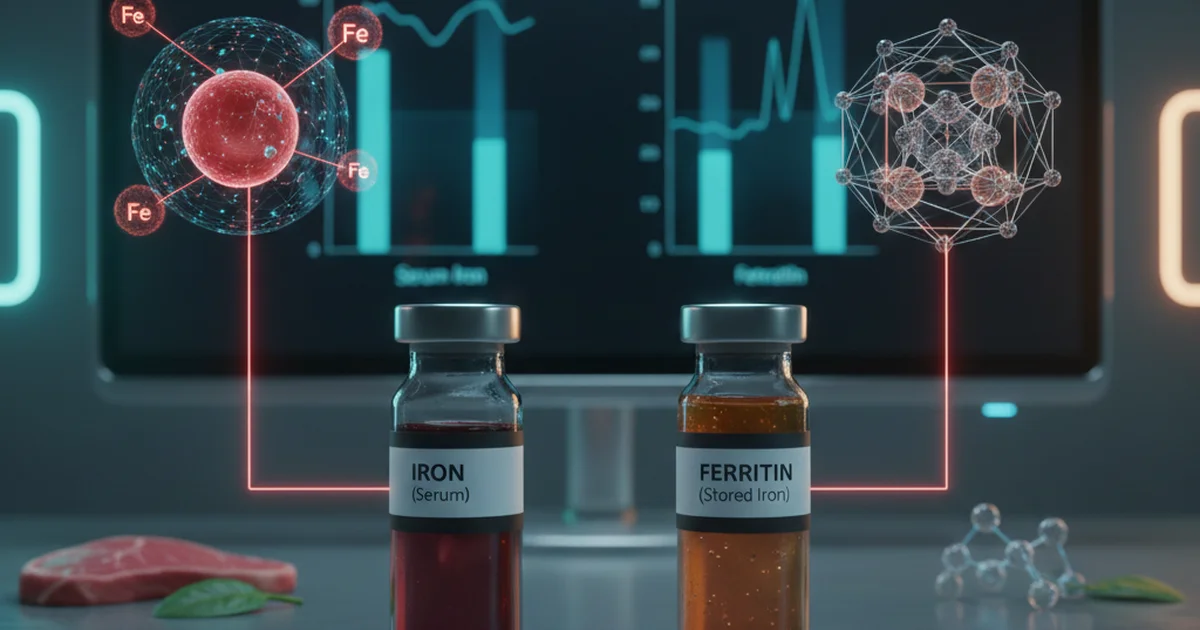
Iron (Serum) is a cornerstone laboratory test used to evaluate the body’s iron status, while Ferritin reflects stored iron. Understanding how these markers differ, what influences their levels, and how diet, bioavailability, and supplementation can be optimized is essential for preventing and treating anemia and other iron‑related disorders.
Reference Ranges for Serum Iron
| Population | Normal Range | Units | Notes |
|---|---|---|---|
| Adult Men (18‑65 yr) | 65‑176 | µg/dL | Slightly higher than women |
| Adult Women (18‑50 yr) | 50‑150 | µg/dL | Lower in pre‑menopausal due to menstrual losses |
| Adult Women (≥51 yr) | 60‑170 | µg/dL | Post‑menopausal values rise |
| Children (1‑12 yr) | 50‑120 | µg/dL | Age‑dependent; infants have higher upper limit |
| Pregnant Women (any trimester) | 40‑150 | µg/dL | Physiologic dilution; monitor closely |
| Elderly (≥65 yr) | 55‑160 | µg/dL | May be lower due to chronic disease |
Values can vary by laboratory methodology; always interpret in the context of the reference range provided by the testing facility.
1. What Serum Iron Measures
Serum iron quantifies the amount of iron bound to transferrin, the transport protein that shuttles iron from the gut to the bone marrow, muscles, and other tissues. It reflects the immediate circulating pool and is highly sensitive to recent dietary intake, diurnal variation, and acute-phase reactions.
- High serum iron may signal hemochromatosis, excessive supplementation, hemolysis, or liver disease.
- Low serum iron is a hallmark of iron‑deficiency anemia, chronic blood loss, malabsorption, or inflammation‑driven sequestration (the “anemia of chronic disease”).
Because serum iron fluctuates, clinicians often order it together with total iron‑binding capacity (TIBC), transferrin saturation, and ferritin to obtain a complete picture.
2. Ferritin: The Storage Counterpart
Ferritin is a protein that stores iron intracellularly, primarily in the liver, spleen, and bone marrow. Serum ferritin correlates with total body iron stores, making it a more stable indicator than serum iron alone.
- Low ferritin (< 15 µg/L in most labs) almost always indicates depleted iron stores.
- Elevated ferritin can denote iron overload, but it also rises in inflammation, infection, liver disease, and malignancy, which can mask underlying deficiency.
Understanding the interplay between serum iron (the “traffic on the road”) and ferritin (the “parking garage”) is vital for accurate diagnosis.
3. Dietary Sources of Iron
Iron exists in two dietary forms:
| Form | Typical Sources | Absorption Rate* |
|---|---|---|
| Heme iron | Red meat, poultry, fish, organ meats (liver, kidney) | 15‑35 % |
| Non‑heme iron | Legumes (lentils, beans), tofu, fortified cereals, nuts, seeds, dark leafy greens (spinach, kale), dried fruit (apricots, raisins) | 2‑20 % |
*Absorption rates are averages; individual factors (e.g., gastric acidity, genetic variants) modify them.
Key Points
- Heme iron is absorbed via a receptor‑mediated process that is largely unaffected by dietary inhibitors.
- Non‑heme iron absorption is heavily influenced by enhancers (vitamin C, organic acids) and inhibitors (phytates, polyphenols, calcium).
Enhancers of Non‑Heme Iron
- Vitamin C (ascorbic acid): 2–3 g can double non‑heme iron absorption. Citrus fruits, strawberries, bell peppers, and tomatoes are excellent sources.
- Citric acid and malic acid: Found in citrus juices and certain fruits, they form soluble complexes that improve uptake.
- Meat factor: Even a small amount of animal protein (e.g., 20 g of chicken) can boost non‑heme iron absorption by up to 30 %.
Inhibitors of Non‑Heme Iron
- Phytates: Present in whole grains, legumes, nuts, and seeds. Soaking, sprouting, or fermenting can reduce phytate content by 30‑60 %.
- Polyphenols: Tea, coffee, and some herbal infusions bind iron; avoid consuming them with iron‑rich meals.
- Calcium: Dairy products and calcium supplements compete with iron for transporters; separate intake by at least 2 h.
- Soy proteins: Isoflavones may modestly hinder absorption; again, timing matters.
4. Bioavailability: From Plate to Blood
4.1 Gastric Acid and Iron Reduction
- Ferric (Fe³⁺) to ferrous (Fe²⁺) conversion: Gastric acid (pH ≈ 1‑2) reduces ferric iron to the more absorbable ferrous form. Hypochlorhydria (common with proton‑pump inhibitor use or aging) can decrease iron absorption by up to 50 %.
4.2 Enterocyte Transport
- Divalent metal transporter‑1 (DMT‑1) transports Fe²⁺ across the apical membrane of duodenal enterocytes.
- Ferroportin exports iron from enterocytes to the plasma, where it binds transferrin.
- Hepcidin, a liver‑derived peptide hormone, regulates ferroportin; high hepcidin (in inflammation or iron overload) blocks iron release, lowering serum iron despite adequate intake.
4.3 Practical Implications
| Situation | Effect on Bioavailability | Recommendation |
|---|---|---|
| Low stomach acid (e.g., PPI therapy) | ↓ Non‑heme iron absorption | Use heme‑rich foods or consider a low‑dose HCl supplement with meals |
| Chronic inflammation (elevated hepcidin) | ↓ Iron export, low serum iron | Treat underlying inflammation; oral iron may be less effective, consider IV iron if needed |
| Pregnancy (increased blood volume) | ↑ Iron requirement, variable absorption | Emphasize heme sources and vitamin C‑rich foods; monitor ferritin regularly |
5. Supplementation Strategies
When diet alone cannot meet needs, supplementation becomes necessary. The goal is to replenish serum iron while gradually restoring ferritin stores.
5.1 Oral Iron Formulations
| Form | Typical Dose (elemental Fe) | Absorption | Common Side Effects |
|---|---|---|---|
| Ferrous sulfate | 325 mg (≈ 65 mg elemental) | 10‑20 % | GI upset, constipation, dark stools |
| Ferrous gluconate | 240 mg (≈ 35 mg elemental) | 10‑15 % | Similar but milder GI symptoms |
| Ferrous fumarate | 300 mg (≈ 100 mg elemental) | 15‑25 % | Higher elemental dose, GI intolerance possible |
| Iron polymaltose (complexed) | 100 mg (≈ 30 mg elemental) | 15‑20 % | Lower GI irritation; often better tolerated |
| Carbonyl iron | 45 mg (≈ 45 mg elemental) | 10‑15 % | Very low irritation; slower release |
Key dosing principles
- Take on an empty stomach (30 min before food or 2 h after) to maximize absorption, unless GI intolerance forces a with‑food approach.
- Combine with vitamin C (e.g., a glass of orange juice) to enhance non‑heme iron uptake.
- Avoid calcium, antacids, tea, coffee, and high‑fiber meals within 2 h of the dose.
- Duration: For iron‑deficiency anemia, 3–6 months of therapy is typical; ferritin should be rechecked after 8‑12 weeks to guide continuation.
5.2 Intravenous Iron
IV iron bypasses the gastrointestinal tract and is indicated when:
- Oral iron is ineffective (malabsorption, severe hepcidin‑mediated blockade).
- Rapid repletion is required (e.g., pre‑operative anemia, severe heart failure).
- Intolerance to oral formulations is severe.
Common IV preparations include iron sucrose, ferric gluconate, and ferumoxytol. Doses are calculated based on body weight and target ferritin (often aiming for 200‑300 µg/L). Monitoring for hypersensitivity and ensuring adequate vitamin C status helps optimize efficacy.
5.3 Special Populations
| Population | Target Serum Iron | Target Ferritin | Supplementation Nuances |
|---|---|---|---|
| Pregnant women | Maintain ≥ 60 µg/dL | ≥ 30 µg/L (first trimester) | Prenatal vitamins often contain 27 mg elemental iron; assess compliance and GI tolerance |
| Children (6‑12 yr) | 50‑150 µg/dL | ≥ 15 µg/L | Liquid iron preparations (ferrous sulfate drops) are common; flavor masking improves adherence |
| Elderly with chronic disease | 55‑160 µg/dL | ≥ 100 µg/L (if no inflammation) | Consider hepcidin levels; IV iron may be preferable in heart failure |
| Athletes (endurance) | Slightly higher due to sweat loss | ≥ 30 µg/L | Emphasize heme sources and post‑exercise vitamin C; avoid excessive calcium supplements |
6. Monitoring and Interpreting Results
- Baseline panel: Serum iron, TIBC, transferrin saturation, ferritin, complete blood count (CBC).
- Follow‑up: Re‑measure ferritin after 8‑12 weeks of therapy; serum iron normalizes faster (within 2‑3 weeks).
- Treatment success:
- Serum iron returns to the mid‑range of the reference interval.
- Transferrin saturation rises to 20‑45 %.
- Ferritin reaches ≥ 30 µg/L in women of childbearing age and ≥ 50 µg/L in men, provided inflammation is absent.
- Red flags: Persistent low serum iron with normal/high ferritin suggests anemia of chronic disease; consider addressing the underlying condition rather than adding more iron.
7. Actionable Lifestyle Recommendations
- Prioritize heme iron at least once daily (e.g., a lean steak, chicken, or fish).
- Pair non‑heme iron foods with a source of vitamin C (e.g., lentil soup with lemon juice).
- Limit tea/coffee to ≤ 1 cup per day and avoid them during meals.
- Soak or sprout grains and legumes to cut phytate levels.
- Maintain adequate gastric acidity: If on acid‑suppressing medication, discuss possible timing adjustments or supplemental betaine HCl with a clinician.
- Screen for hidden blood loss (menstrual, gastrointestinal) if serum iron is low despite a iron‑rich diet.
- Regularly check ferritin if you have chronic inflammatory conditions, as ferritin can mask deficiency.
Frequently Asked Questions
What is the most common cause of abnormal Iron (Serum) levels?
The most frequent cause of low serum iron is iron‑deficiency anemia, usually stemming from chronic blood loss (menstruation, gastrointestinal bleeding) or inadequate dietary intake. High serum iron most often reflects excessive supplementation, hereditary hemochromatosis, or hemolytic processes that release iron from red cells. Inflammatory states can also lower serum iron by increasing hepcidin, which traps iron inside cells.
How often should I get my Iron (Serum) tested?
For individuals without known anemia, checking serum iron once every 1‑2 years is reasonable, especially if you have risk factors such as heavy menstrual bleeding, vegetarian/vegan diets, or chronic illnesses. If you are undergoing treatment for iron deficiency, repeat the panel after 8‑12 weeks to gauge response, then every 3‑6 months until ferritin stabilizes within the target range.
Can lifestyle changes improve my Iron (Serum) levels?
Absolutely. Incorporating heme‑rich foods, pairing non‑heme iron with vitamin C, reducing phytate and polyphenol intake around meals, and ensuring optimal stomach acidity can all boost absorption. Regular physical activity improves overall circulation but should be balanced with adequate iron intake, especially in endurance athletes who lose iron through sweat and gastrointestinal micro‑bleeding.
By grasping the distinction between serum iron and ferritin, recognizing dietary influences on bioavailability, and applying evidence‑based supplementation strategies, you can effectively manage iron status, prevent anemia, and support overall health.
Medical Disclaimer
This article is for educational purposes only. Always consult a healthcare professional.