How to Lower or Raise TIBC Levels Naturally
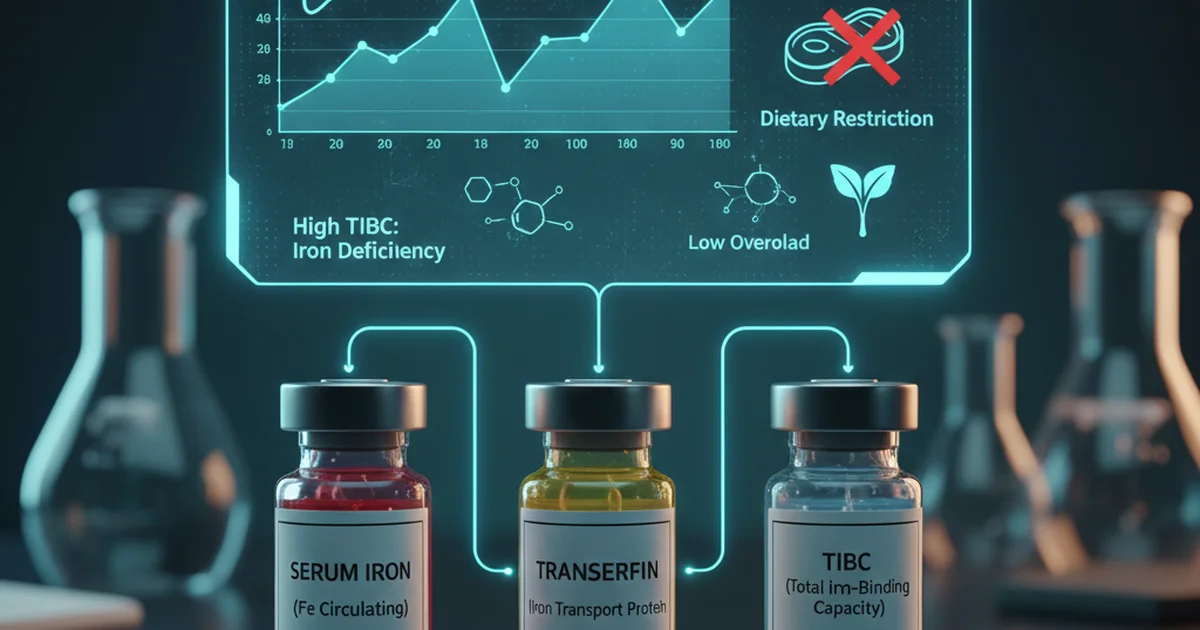
Total iron‑binding capacity (TIBC) is a laboratory measurement that reflects the amount of transferrin, the main iron‑transport protein in the blood, that is available to bind iron. Understanding how diet, lifestyle, and targeted supplementation influence TIBC can help clinicians and patients manage iron‑related disorders such as iron‑deficiency anemia, anemia of chronic disease, and iron overload conditions. This article reviews the physiology of TIBC, presents evidence‑based dietary strategies to lower or raise it, and offers practical, actionable steps for everyday life.
Reference Ranges for TIBC
| Population | Normal Range | Units | Notes |
|---|---|---|---|
| Adult Men (≥18 y) | 250‑450 | µg/dL | Slightly higher in smokers |
| Adult Women (≥18 y) | 250‑450 | µg/dL | Lower values common in menstruating women |
| Pregnant Women | 250‑400 | µg/dL | Hemodilution may reduce apparent TIBC |
| Children (1‑12 y) | 260‑430 | µg/dL | Age‑dependent; younger children trend higher |
| Adolescents (13‑18 y) | 250‑440 | µg/dL | Pubertal hormonal changes affect iron metabolism |
| Elderly (>65 y) | 250‑460 | µg/dL | Chronic inflammation may lower functional TIBC |
Reference ranges can vary slightly between laboratories due to assay methodology; always interpret results in the context of the specific lab’s reference.
Understanding TIBC: Physiology in Plain Language
What TIBC Actually Measures
- Transferrin concentration: TIBC is essentially a proxy for the amount of circulating transferrin.
- Iron‑binding sites: Each transferrin molecule can bind two ferric (Fe³⁺) ions; TIBC reflects the total potential binding capacity.
- Interaction with serum iron: The ratio of serum iron to TIBC yields the transferrin saturation percentage, a key indicator of iron status.
Why TIBC Changes
- Increased TIBC usually indicates low iron stores or enhanced transferrin production, common in iron‑deficiency anemia, pregnancy, and chronic blood loss.
- Decreased TIBC often signals inflammation, malnutrition, or liver disease, where transferrin synthesis is suppressed. Iron overload states (hemochromatosis) can also lower TIBC because the body down‑regulates transferrin production.
Clinical Implications
- High TIBC + low serum iron → classic iron‑deficiency pattern.
- Low TIBC + normal/high serum iron → anemia of chronic disease or iron overload.
- Monitoring TIBC alongside ferritin, serum iron, and transferrin saturation provides a comprehensive picture of iron metabolism.
Dietary Factors That Influence TIBC
Foods That Tend to Raise TIBC
| Food Group | Key Components | How They Act |
|---|---|---|
| Whole grains & legumes | Phytates, fiber, non‑heme iron | Mildly increase transferrin synthesis by creating a modest iron‑deficient state, prompting the liver to produce more transferrin. |
| Vitamin C‑rich fruits (citrus, kiwi, strawberries) | Ascorbic acid | Enhances non‑heme iron absorption, which can paradoxically raise TIBC if the body still perceives a relative iron deficit. |
| Lean red meat (beef, lamb) | Heme iron, zinc, B12 | Adequate heme iron reduces TIBC; however, in the context of low overall iron intake, regular consumption helps maintain a balanced TIBC by preventing excessive down‑regulation of transferrin. |
| Egg whites | Avidin (binds biotin) | Minimal iron content; regular consumption can modestly elevate TIBC when overall iron intake is low. |
Bottom line: Diets that are moderately low in readily absorbable iron (especially heme iron) while still providing adequate protein and micronutrients tend to increase TIBC as the body compensates by synthesizing more transferrin.
Foods That Tend to Lower TIBC
| Food Group | Key Components | How They Act |
|---|---|---|
| Iron‑rich animal products | Heme iron, vitamin A, high‑quality protein | Rapidly replenish iron stores, signaling the liver to decrease transferrin production, thus lowering TIBC. |
| Fortified cereals & breads | Added ferrous sulfate, ferric pyrophosphate | Provide readily absorbable iron that reduces the physiological drive for high transferrin levels. |
| Organ meats (liver, kidney) | Extremely high heme iron, copper | Quickly restore iron balance, leading to a decrease in TIBC. |
| Dark leafy greens (spinach, kale) when cooked | Non‑heme iron + vitamin C (when cooked with tomatoes) | Improves iron absorption enough to modestly lower TIBC, especially in individuals with marginal deficiency. |
Bottom line: High‑bioavailability iron sources, particularly heme iron, tend to lower TIBC by satisfying the body’s iron requirements, which down‑regulates transferrin synthesis.
Bioavailability Considerations
- Heme vs. non‑heme iron: Heme iron (found in animal products) is absorbed at 15‑35 % efficiency, largely unaffected by dietary inhibitors. Non‑heme iron (plant sources) is absorbed at 2‑20 % and is highly influenced by enhancers (vitamin C, meat factor) and inhibitors (phytates, polyphenols, calcium).
- Vitamin C can increase non‑heme iron absorption up to threefold when consumed in a 1:2 ratio (vitamin C mg : iron mg).
- Calcium (≥200 mg per meal) competes with iron for transporters, potentially reducing absorption and raising TIBC over time.
- Meal timing: Consuming iron‑rich foods separate from calcium‑rich foods (dairy, fortified soy) improves iron uptake.
Supplementation Strategies to Modulate TIBC
When to Use Iron Supplements
- Indicated for documented iron‑deficiency anemia (low ferritin, high TIBC, low serum iron).
- Contraindicated or used with caution in anemia of chronic disease, hemochromatosis, or active infection/inflammation (low TIBC).
Typical regimens:
- Ferrous sulfate 325 mg (≈65 mg elemental iron) once daily with vitamin C‑rich juice.
- Ferrous gluconate 240 mg (≈27 mg elemental iron) for patients with gastrointestinal intolerance.
Monitoring: Re‑check TIBC, serum iron, and ferritin after 4–6 weeks; adjust dose accordingly.
Non‑Iron Supplements that Influence TIBC
| Supplement | Mechanism | Practical Use |
|---|---|---|
| Vitamin C (ascorbic acid) | Reduces ferric to ferrous iron, enhancing absorption; may raise TIBC if iron stores are low. | 500‑1000 mg daily, split between meals containing iron. |
| Zinc | Competes with iron for intestinal transporters; high zinc intake can raise TIBC by limiting iron absorption. | Avoid exceeding 40 mg/day unless prescribed. |
| Copper | Required for ceruloplasmin activity, which mobilizes iron; adequate copper helps maintain normal TIBC. | 1‑2 mg daily from diet or a balanced multivitamin. |
| Vitamin A | Stimulates mobilization of iron from stores, potentially lowering TIBC. | 700‑900 µg RAE daily via beta‑carotene‑rich foods or supplements. |
| Probiotic strains (Lactobacillus plantarum) | May improve iron absorption by reducing intestinal pH; modest lowering of TIBC observed in small trials. | 10‑20 billion CFU daily, preferably with iron‑rich meals. |
Herbal and Natural Products
- Blackstrap molasses: High in iron (≈3 mg per tablespoon) and copper; regular use can lower TIBC.
- Nettle leaf tea: Contains non‑heme iron and vitamin C; may modestly raise TIBC when used in iron‑deficient individuals.
- Turmeric (curcumin): Has mild iron‑chelating properties; high doses could raise TIBC by limiting iron availability, useful in mild overload states.
Caution: Herbal products can interact with prescription medications and affect iron metabolism; always discuss with a healthcare provider before initiating.
Actionable Lifestyle Plan
Goal 1: Raise TIBC (e.g., for iron‑deficiency or during pregnancy)
- Assess baseline labs: Confirm low ferritin (<30 ng/mL) and high TIBC (>450 µg/dL).
- Optimize dietary enhancers:
- Pair each iron‑containing meal with 150‑250 mg vitamin C (citrus, strawberries, bell peppers).
- Include a modest amount of meat or fish (the “meat factor”) to boost non‑heme iron uptake.
- Limit inhibitors:
- Avoid drinking tea/coffee within 1 hour of iron‑rich meals.
- Separate calcium supplements or dairy (≥200 mg calcium) from iron meals.
- Select iron‑moderate foods: Emphasize legumes, whole grains, and leafy greens cooked with tomatoes or lemon juice.
- Supplement if needed:
- Start low‑dose ferrous gluconate (27 mg elemental iron) once daily, titrating up based on tolerance.
- Add 500 mg vitamin C twice daily to enhance absorption.
- Re‑evaluate after 4 weeks: Target a 10‑15 % reduction in TIBC and a rise in ferritin toward normal.
Goal 2: Lower TIBC (e.g., in anemia of chronic disease, early iron overload)
- Confirm labs: Low TIBC (<250 µg/dL) with normal/high ferritin and serum iron.
- Increase heme iron intake:
- Incorporate 3‑4 servings/week of lean red meat, poultry, or fish.
- Add organ meats (liver) once weekly for a potent iron boost.
- Use fortified foods: Choose iron‑fortified cereals or breads to supply readily absorbable iron without excess heme intake.
- Reduce iron‑blocking factors:
- Limit high‑zinc supplements (>40 mg/day) that could impede iron absorption.
- Ensure adequate vitamin A intake (carrots, sweet potatoes) to mobilize iron from stores.
- Consider therapeutic phlebotomy (under medical supervision) if iron overload is confirmed; this directly reduces iron stores and consequently lowers TIBC.
- Monitor every 6‑8 weeks: Aim for a 10‑20 % decrease in TIBC and stabilization of ferritin within the target range.
General Lifestyle Tips
- Stay hydrated: Adequate fluid intake supports plasma volume and accurate TIBC measurement.
- Exercise moderately: Regular aerobic activity improves iron turnover and can normalize TIBC over time.
- Avoid chronic inflammation: Manage underlying conditions (e.g., rheumatoid arthritis, chronic infections) that can suppress transferrin production and lower TIBC.
- Sleep 7‑9 hours/night: Sleep deprivation can elevate inflammatory cytokines, indirectly affecting iron metabolism.
Putting It All Together: Sample 7‑Day Meal Plan
| Day | Breakfast | Lunch | Dinner | Snacks |
|---|---|---|---|---|
| Mon | Oatmeal cooked in fortified soy milk + sliced strawberries + 1 tbsp blackstrap molasses | Quinoa salad with chickpeas, bell peppers, lemon‑vinaigrette (vit C) | Grilled salmon, steamed broccoli, sweet potato | Greek yogurt + kiwi |
| Tue | Whole‑grain toast with avocado, poached egg, orange slices | Lentil soup (add tomato puree) + side of kale sautéed with garlic | Beef stir‑fry with bell peppers, brown rice | Handful of almonds |
| Wed | Smoothie: spinach, banana, ½ cup fortified orange juice, ½ cup Greek yogurt | Turkey sandwich on whole‑grain bread, lettuce, tomato, mustard | Baked chicken thigh, roasted carrots, quinoa | Apple + 10 g pumpkin seeds |
| Thu | Fortified cereal with milk, topped with blueberries | Black bean burrito (whole‑wheat tortilla) with salsa, avocado | Grilled lamb chops, beet salad, couscous | Dark chocolate (≤20 g) |
| Fri | Scrambled eggs with mushrooms, whole‑grain English muffin, grapefruit | Tuna salad (canned in water) with mixed greens, olive oil, lemon | Spaghetti with meat sauce (lean ground beef), side of steamed spinach | Orange segments |
| Sat | Pancakes made with fortified flour, topped with fresh berries, drizzle of honey | Chickpea curry (coconut milk) with basmati rice, side of roasted cauliflower | Pan‑seared cod, quinoa pilaf, sautéed bok choy | Carrot sticks with hummus |
| Sun | Greek yogurt parfait with granola, sliced mango, 1 tbsp chia seeds | Roast chicken, mixed vegetable medley (carrots, zucchini, tomatoes) | Liver pâté on whole‑grain crackers, side salad | Handful of dried apricots |
This plan balances iron‑rich foods, vitamin C enhancers, and moderate heme sources to either raise or lower TIBC depending on individual needs.
Monitoring and When to Seek Professional Help
- Baseline testing: Obtain a full iron panel (serum iron, ferritin, TIBC, transferrin saturation) before making major dietary changes.
- Follow‑up frequency: Re‑test every 4–6 weeks when actively correcting an abnormal TIBC; every 3–6 months for maintenance.
- Red flags: Sudden drop in hemoglobin, new gastrointestinal symptoms, or unexplained fatigue warrants immediate medical evaluation.
- Special populations: Pregnant women, children, the elderly, and patients with chronic kidney disease require individualized targets and may need supervised supplementation.
Frequently Asked Questions
What is the most common cause of abnormal Total Iron Binding Capacity (TIBC) levels?
The most frequent cause of an elevated TIBC is iron‑deficiency anemia, where low iron stores stimulate the liver to produce more transferrin. Conversely, a low TIBC most commonly results from chronic inflammation or infection (anemia of chronic disease), which suppresses transferrin synthesis, or from iron overload conditions where the body down‑regulates transferrin production.
How often should I get my Total Iron Binding Capacity (TIBC) tested?
For individuals actively correcting an abnormal value, testing every 4–6 weeks is recommended until the desired trend is achieved. Once stable, re‑checking every 3–6 months is sufficient for most adults. Patients with chronic diseases, pregnancy, or a history of iron overload should follow their clinician’s specific monitoring schedule.
Can lifestyle changes improve my Total Iron Binding Capacity (TIBC) levels?
Absolutely. Adjusting dietary iron intake, optimizing vitamin C consumption, limiting iron inhibitors (tea, calcium), and addressing underlying inflammation through exercise, sleep, and stress management can all shift TIBC in the desired direction. Targeted supplementation—whether iron, vitamin C, or supportive micronutrients—further refines these effects when paired with consistent lifestyle habits.
Medical Disclaimer
This article is for educational purposes only. Always consult a healthcare professional.