TIBC Normal Range and Test Interpretation
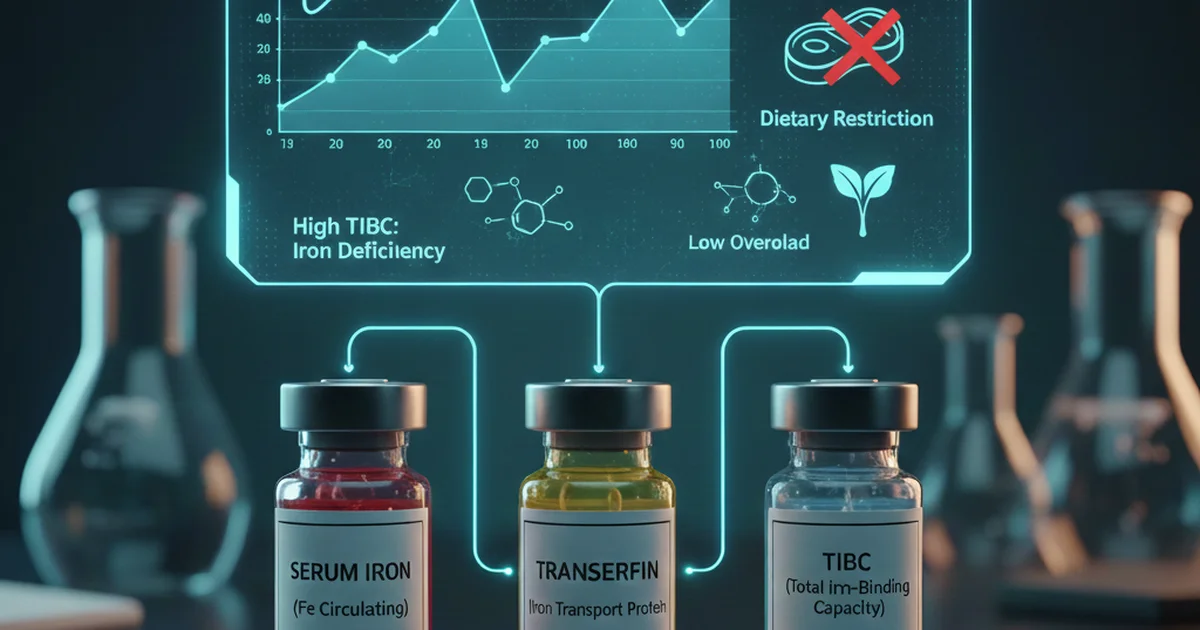
Total Iron Binding Capacity (TIBC) is a laboratory measurement that reflects the maximum amount of iron that plasma proteins—principally transferrin—can bind. It is a valuable tool in the evaluation of iron metabolism, helping clinicians differentiate between iron deficiency, anemia of chronic disease, and other disorders affecting iron homeostasis. This article provides an evidence‑based overview of TIBC, its normal ranges across populations, the physiological basis of the test, dietary influences, bioavailability considerations, and supplementation strategies. Actionable advice is included for patients and health‑care providers who wish to interpret TIBC results in the context of overall nutritional status.
Detailed Reference Ranges
| Population | Normal Range | Units | Notes |
|---|---|---|---|
| Adult Men | 250‑450 | µg/dL | Slightly higher on average than women |
| Adult Women (premenopausal) | 250‑450 | µg/dL | May be lower in iron‑deficient states |
| Adult Women (postmenopausal) | 250‑460 | µg/dL | Hormonal changes reduce menstrual loss |
| Children (1‑12 yr) | 260‑470 | µg/dL | Age‑dependent; infants have higher ranges |
| Adolescents (13‑18 yr) | 260‑460 | µg/dL | Rapid growth increases iron demand |
| Elderly (≥65 yr) | 250‑440 | µg/dL | Chronic disease can affect values |
| Pregnancy (2nd‑3rd trimester) | 280‑500 | µg/dL | Expanded plasma volume raises TIBC |
Values may vary by laboratory methodology and geographic population.
Understanding TIBC: Physiology and Clinical Significance
What TIBC Measures
- Transferrin Saturation: TIBC estimates the total iron‑binding sites on transferrin, the primary iron‑transport protein in blood.
- Indirect Iron Stores: While serum ferritin gauges stored iron, TIBC provides insight into the body’s capacity to mobilize iron for erythropoiesis.
- Diagnostic Patterns:
- High TIBC → often seen in iron deficiency, where the liver synthesizes more transferrin to capture scarce iron.
- Low TIBC → common in anemia of chronic disease, malnutrition, or liver disease, where transferrin production is suppressed.
How the Test Is Performed
- Sample Collection: Venous blood drawn into a serum separator tube.
- Iron Binding Assay: Excess iron is added to the sample; unbound iron is then removed, and the amount bound to transferrin is measured.
- Calculation: The result is expressed in µg/dL, representing the theoretical maximum iron the serum can carry.
Key Clinical Scenarios
| Condition | Typical TIBC | Ferritin | Interpretation |
|---|---|---|---|
| Iron‑deficiency anemia | ↑↑ (↑400‑600) | ↓ | High TIBC + low ferritin = classic iron deficiency |
| Anemia of chronic disease | ↓ (150‑250) | Normal‑↑ | Low TIBC + normal/high ferritin suggests inflammatory blockade |
| Hemochromatosis | ↓ (150‑250) | ↑↑ | Low TIBC despite iron overload reflects saturated transferrin |
| Liver cirrhosis | ↓ (150‑250) | Variable | Impaired protein synthesis lowers transferrin and TIBC |
Dietary Sources of Iron and Their Impact on TIBC
Heme vs. Non‑Heme Iron
| Iron Type | Primary Food Sources | Absorption Rate | Effect on TIBC |
|---|---|---|---|
| Heme Iron | Red meat, poultry, fish, shellfish | 15‑35 % | Directly raises serum iron, often decreases TIBC |
| Non‑Heme Iron | Legumes, fortified cereals, leafy greens, nuts | 2‑20 % | Increases iron stores more slowly; may raise TIBC if deficiency persists |
Foods That Enhance Iron Absorption
- Vitamin C‑rich fruits (citrus, berries, kiwi) convert ferric to ferrous iron, boosting absorption by up to 3‑fold.
- Meat‑Factor (amino acids from meat, fish, poultry) improves non‑heme iron uptake.
- Fermented foods (sauerkraut, kimchi) contain organic acids that aid solubility.
Foods That Inhibit Iron Absorption
- Phytates (found in whole grains, legumes, nuts) bind iron, reducing bioavailability.
- Polyphenols (tea, coffee, red wine) form insoluble complexes with iron.
- Calcium (dairy, supplements) competes for transport pathways, modestly lowering absorption.
Practical Dietary Strategies to Optimize TIBC
- Pair iron‑rich meals with vitamin C: A spinach salad with orange slices can raise non‑heme iron uptake, potentially lowering an elevated TIBC over weeks.
- Limit tea/coffee within 1 hour of iron‑containing meals to avoid inhibition.
- Include a modest amount of animal protein for the meat‑factor effect, especially for individuals with borderline iron status.
- Consider soaking or sprouting grains and legumes to reduce phytate content and improve iron bioavailability.
Bioavailability: From Food to Serum Iron
- Heme iron is absorbed intact via the heme carrier protein 1 (HCP1) and is largely unaffected by dietary inhibitors.
- Non‑heme iron requires reduction to Fe²⁺ (ferrous) by duodenal cytochrome b (Dcytb) before transport via divalent metal transporter 1 (DMT1).
- Regulatory Hormone – Hepcidin: Produced by the liver, hepcidin blocks ferroportin, the iron exporter on enterocytes and macrophages. High hepcidin (in inflammation) reduces iron absorption, often raising TIBC as the body attempts to capture more circulating iron.
Understanding these pathways explains why dietary changes can influence TIBC: improved iron absorption lowers hepcidin, decreases transferrin synthesis, and thus reduces TIBC; conversely, chronic low intake or inflammation raises hepcidin and TIBC.
Supplementation: When Diet Is Not Enough
Indications for Iron Supplementation
- Documented iron deficiency (low ferritin, high TIBC, microcytic anemia).
- Pregnancy with inadequate dietary intake.
- Chronic blood loss (e.g., heavy menstruation, gastrointestinal bleeding).
Choosing the Right Form
| Form | Elemental Iron Content | Absorption | Common Side Effects |
|---|---|---|---|
| Ferrous sulfate | 20 % | High | Constipation, nausea |
| Ferrous gluconate | 12 % | Moderate | Less GI irritation |
| Ferrous fumarate | 33 % | High | Similar to sulfate |
| Heme iron polypeptide | 10‑15 % | Very high, less affected by diet | Generally well tolerated |
| Iron polysaccharide complex | Variable | Moderate | Fewer GI effects |
Evidence tip: Starting with a low dose (e.g., 30 mg elemental iron) and titrating up can minimize gastrointestinal discomfort while still effectively lowering elevated TIBC over 4‑8 weeks.
Timing and Co‑Factors
- Take with vitamin C (e.g., a glass of orange juice) to enhance absorption.
- Avoid concurrent calcium (≥200 mg) or high‑phytate meals for at least 2 hours.
- Split dosing (e.g., 15 mg twice daily) may improve tolerability and maintain steady iron availability.
Monitoring Response
- Baseline: Record serum iron, ferritin, TIBC, and transferrin saturation.
- Follow‑up: Re‑measure at 4‑6 weeks. Expect TIBC to decrease (by ~10‑20 %) as transferrin production normalizes.
- Adjust: If TIBC remains high and ferritin stays low, increase dose or address malabsorption (e.g., celiac disease, H. pylori infection).
Risks of Excess Iron
- Iron overload (e.g., hereditary hemochromatosis) presents with low TIBC and high ferritin; supplementation is contraindicated.
- Oxidative stress: Excess free iron catalyzes free radical formation, potentially damaging liver, heart, and pancreas.
- Gastrointestinal irritation: Persistent nausea or constipation may signal an overly aggressive regimen.
Bottom line: Supplement only when laboratory evidence confirms deficiency and after evaluating potential contraindications.
Lifestyle Factors That Influence TIBC
| Factor | Effect on TIBC | Mechanism |
|---|---|---|
| Chronic inflammation (autoimmune disease, infection) | ↑ TIBC (often modest) | Hepcidin elevation reduces iron release, prompting higher transferrin synthesis |
| Regular aerobic exercise | May ↓ TIBC slightly | Improves iron utilization and reduces systemic inflammation |
| Alcohol excess | ↓ TIBC | Liver damage impairs transferrin synthesis |
| Smoking | Variable; may ↑ TIBC due to oxidative stress | Inflammation and altered protein synthesis |
| Adequate sleep | Supports balanced hepcidin rhythms | Disrupted sleep can increase inflammatory cytokines, raising TIBC |
Actionable advice: Incorporate anti‑inflammatory habits—balanced diet, regular moderate exercise, stress management—to maintain optimal iron metabolism and stable TIBC values.
Interpreting TIBC Results in Clinical Practice
- Compare with reference range (250‑450 µg/dL for most adults).
- Assess alongside serum ferritin and transferrin saturation:
- High TIBC + low ferritin + low saturation → classic iron deficiency.
- Low TIBC + normal/high ferritin + low saturation → anemia of chronic disease or sideroblastic processes.
- Consider patient context: pregnancy, chronic kidney disease, liver dysfunction, or recent blood loss may shift expected values.
- Identify trends: Serial measurements are more informative than a single value; a decreasing TIBC after iron therapy signals successful repletion.
Critical point: Never diagnose iron overload solely on TIBC; low TIBC can be a secondary finding in many conditions and must be interpreted in the full laboratory panel.
Practical Recommendations for Patients
If TIBC is high:
- Increase intake of heme iron (lean red meat, poultry) 2‑3 times per week.
- Pair meals with vitamin C‑rich foods.
- Reduce tea/coffee intake around meals.
- Discuss iron supplementation with your clinician if dietary changes are insufficient.
If TIBC is low:
- Evaluate for chronic inflammation or liver disease.
- Avoid unnecessary iron supplements; excess iron can be harmful.
- Focus on anti‑inflammatory nutrition (omega‑3 fatty acids, colorful vegetables).
General wellness: Maintain a balanced diet, stay hydrated, and have routine blood work annually (or as directed) to monitor iron status.
Frequently Asked Questions
What is the most common cause of abnormal Total Iron Binding Capacity (TIBC) levels?
The most frequent cause of an elevated TIBC is iron‑deficiency anemia. When body iron stores are depleted, the liver produces more transferrin to capture any available iron, raising the TIBC value. Conversely, a low TIBC is most commonly seen in anemia of chronic disease, where inflammatory cytokines increase hepcidin, suppressing transferrin synthesis. Liver disease and malnutrition can also lower TIBC.
How often should I get my Total Iron Binding Capacity (TIBC) tested?
For individuals without known iron disorders, a routine iron panel (including TIBC) every 1‑2 years is adequate. If you have risk factors—such as heavy menstrual bleeding, pregnancy, chronic kidney disease, or a history of gastrointestinal blood loss—your clinician may recommend testing every 3‑6 months during treatment or monitoring phases. After initiating iron supplementation, re‑checking TIBC 4‑6 weeks later helps gauge response.
Can lifestyle changes improve my Total Iron Binding Capacity (TIBC) levels?
Yes. Dietary modifications that increase iron bioavailability (e.g., adding vitamin C, consuming heme sources, limiting phytate‑rich inhibitors) can lower an elevated TIBC over time. Anti‑inflammatory lifestyle habits—regular moderate exercise, adequate sleep, stress reduction, and limiting excessive alcohol—help normalize hepcidin and transferrin production, potentially correcting both high and low TIBC abnormalities. Always pair lifestyle adjustments with medical guidance, especially if you have underlying chronic disease.
Medical Disclaimer
This article is for educational purposes only. Always consult a healthcare professional.