Understanding Your High Lymphocyte Count
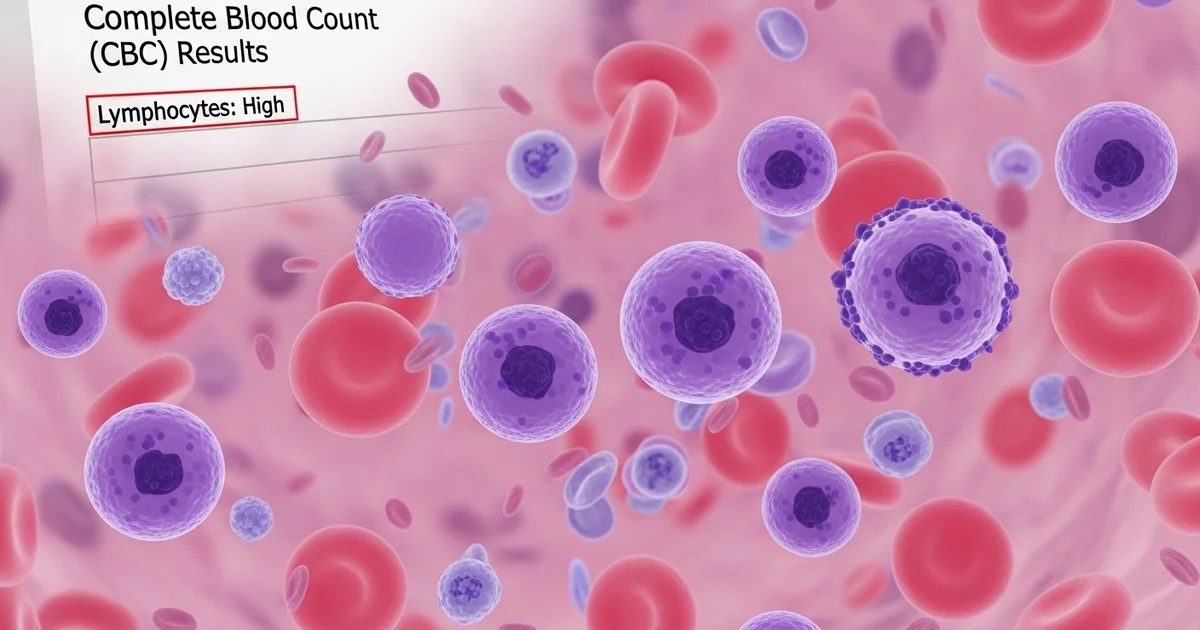
Direct answer: High lymphocytes, a condition called lymphocytosis, often means your body is fighting an infection. It's a common response to viral illnesses like mononucleosis (mono), influenza, or COVID-19. Your immune system produces more of these white blood cells to target and eliminate the virus. While usually temporary and related to a recent sickness, it's important to discuss your complete blood count (CBC) results with your doctor to confirm the cause and rule out other less common conditions.
TL;DR Seeing a high lymphocyte count on your blood test results can be concerning, but it's most often a sign that your immune system is actively fighting an infection. Lymphocytes are a type of white blood cell crucial for defending against foreign invaders, especially viruses. When a virus enters your body, your bone marrow ramps up production of these cells to identify and destroy the threat, leading to a temporary spike in their numbers known as lymphocytosis. This is a normal and healthy immune response.
- The most frequent cause of high lymphocytes is a recent or current viral infection. Common culprits include Epstein-Barr virus (which causes mononucleosis), influenza, cytomegalovirus (CMV), and the virus that causes COVID-19.
- Lymphocytosis is typically temporary. As your body successfully clears the viral infection, your lymphocyte levels will gradually return to a normal range over several weeks.
- While viruses are the primary trigger, certain bacterial infections like whooping cough can also elevate lymphocyte counts.
- Symptoms accompanying the high count, such as fatigue, fever, or swollen lymph nodes, are usually due to the underlying illness, not the lymphocytosis itself.
- It is essential to review your lab results with a healthcare provider. They will interpret the findings in the context of your overall health, symptoms, and other blood work to provide an accurate diagnosis.
- In rare cases, persistently high lymphocytes without a clear infectious cause may require further investigation to rule out chronic conditions or certain blood disorders.
Want the full explanation? Keep reading ↓
Noticed a High Lymphocyte Count on Your Blood Test? Understanding the Viral Connection
A complete blood count (CBC) is one of the most common laboratory tests ordered by doctors. When you get your results, seeing a "high" flag next to your lymphocyte count can be concerning. However, in most cases, an elevated lymphocyte count—a condition called lymphocytosis—is your body's normal, healthy response to a common viral infection.
This article will break down why viruses cause your lymphocyte count to rise, which specific viruses are the most common culprits, and what your results mean for your health. Understanding this process can help demystify your lab report and empower you to have a more informed conversation with your healthcare provider.
Understanding Your Lymphocyte Count: What Is Lymphocytosis?
Lymphocytosis is the medical term for having a higher-than-normal number of lymphocytes in your blood. Lymphocytes are a type of white blood cell that are a cornerstone of your adaptive immune system, responsible for fighting off specific pathogens like viruses. When your body detects a viral invader, it ramps up the production of these cellular soldiers to neutralize the threat.
It's important to distinguish between two types of lymphocytosis:
- Absolute Lymphocytosis: This refers to an increase in the total number of lymphocytes. This is the most clinically significant measure and is what doctors focus on when evaluating a high count.
- Relative Lymphocytosis: This means the percentage of lymphocytes is high compared to other white blood cells, but the total number might still be normal. This can happen when another cell type, like neutrophils, is low.
Your lab report will show your count in relation to a standard reference range. While these ranges can vary slightly between laboratories, they provide a general guide for what is considered normal. For a detailed breakdown of typical values, you can explore the data on a [normal lymphocyte count and percentage].
Lymphocyte Count Reference Ranges
The definition of "high" depends on your age. Children naturally have much higher lymphocyte counts than adults, which gradually decrease as they get older.
| Population | Absolute Lymphocyte Count (per microliter) | Units | Notes |
|---|---|---|---|
| Adults | 1,000 - 4,800 | cells/μL | Counts >4,800 are generally considered lymphocytosis in adults. |
| Children (1-4 yrs) | 2,000 - 8,000 | cells/μL | Counts are naturally higher and decrease with age. |
| Infants (<1 yr) | 4,000 - 10,500 | cells/μL | Highest at birth and in the first year of life. |
| Elderly | 1,000 - 4,000 | cells/μL | The range may narrow slightly in older adults. |
Important: These are general ranges. Always discuss your specific results with your healthcare provider, who will interpret them based on your personal health profile and the specific reference range used by the laboratory.
Why Do Viruses Cause High Lymphocyte Counts?
When a virus enters your body, your immune system initiates a highly coordinated counter-attack. Lymphocytes are the special forces in this operation. The process typically unfolds in a series of strategic steps.
First, your innate immune system provides a general, non-specific response. Soon after, the adaptive immune system takes over, launching a targeted assault led by lymphocytes. To understand this better, it's helpful to know about the different [types of lymphocytes like T-cells, B-cells, and NK cells] and their specific roles in fighting infection.
Here’s a simplified breakdown of the viral response:
- Detection: Other immune cells (like macrophages) engulf the virus and present pieces of it (antigens) to Helper T-cells.
- Activation: Helper T-cells become activated and release chemical messengers called cytokines.
- Proliferation: These cytokines signal the bone marrow and lymphoid tissues (like lymph nodes and the spleen) to rapidly produce and release more lymphocytes.
- Attack:
- Cytotoxic T-cells (a type of T-cell) identify and destroy your own cells that have been infected by the virus.
- B-cells mature into plasma cells and produce antibodies, which are proteins that can attach to viruses in the bloodstream, neutralizing them and marking them for destruction.
- Memory: After the infection is cleared, some of these specialized T-cells and B-cells become "memory cells." These cells remain in your body for years, ready to mount a much faster and more effective response if the same virus ever returns.
This massive mobilization of lymphocytes is what shows up as lymphocytosis on your CBC. It’s a sign that your immune system is working exactly as it should.
Common Viral Infections That Spike Lymphocyte Levels
While many different viruses can cause a temporary rise in lymphocytes, some are particularly well-known for doing so. A doctor will always correlate your blood test results with your clinical symptoms to identify the likely cause.
Infectious Mononucleosis (Epstein-Barr Virus - EBV): The Classic Cause
Infectious mononucleosis, often called "mono" or "the kissing disease," is the textbook cause of viral lymphocytosis. It is most commonly caused by the Epstein-Barr virus (EBV), a member of the herpesvirus family that infects the vast majority of people at some point in their lives.
When you have mono, your lymphocyte count can become significantly elevated.
- Symptoms: The classic triad of symptoms includes fever, pharyngitis (a severe sore throat), and lymphadenopathy (swollen lymph nodes, especially in the neck). Extreme fatigue is another hallmark of the infection.
- Lab Findings: A blood test will show marked lymphocytosis, often with the total count exceeding 10,000 or even 20,000 cells/μL.
- Atypical Lymphocytes: A key feature of mono is the presence of a high percentage of atypical (or reactive) lymphocytes. These are large, activated T-cells that are visibly different from normal resting lymphocytes, and their presence strongly suggests a viral infection like EBV.
Cytomegalovirus (CMV): The Mono Look-Alike
Cytomegalovirus (CMV) is another common herpesvirus that can produce an illness very similar to infectious mononucleosis. In healthy individuals, a primary CMV infection can cause fever, fatigue, and muscle aches, accompanied by a significant rise in lymphocytes.
CMV-induced lymphocytosis is often difficult to distinguish from EBV mono based on symptoms and initial blood work alone. Doctors may order specific antibody tests for EBV and CMV to differentiate between the two, especially if a patient with mono-like symptoms tests negative on a standard mono spot test.
Acute HIV Infection: An Important Consideration
During the very early stage of an HIV infection, known as acute retroviral syndrome, the body mounts a strong immune response. This phase can mimic the flu or mono, with symptoms like fever, rash, sore throat, and fatigue.
Interestingly, this initial response can cause a transient lymphocytosis, sometimes with atypical lymphocytes, as the immune system tries to fight the new invader. This is a critical point: while chronic, untreated HIV is characterized by a progressive loss of lymphocytes (lymphopenia), the acute phase can temporarily cause the opposite. Therefore, acute HIV is an important differential diagnosis in a patient presenting with a mono-like illness and lymphocytosis.
Common Respiratory and Childhood Viruses
Many of the viruses that cause common illnesses in children and adults also trigger a lymphocyte-dominant immune response. The lymphocytosis is usually milder than that seen in mono but is still a frequent finding.
- Adenovirus: Causes a range of illnesses, from the common cold and bronchitis to conjunctivitis ("pink eye") and gastroenteritis.
- Influenza (The Flu): While often associated with body aches and fever, influenza infection typically leads to a rise in lymphocytes.
- Respiratory Syncytial Virus (RSV): A major cause of lower respiratory tract infections in young children, RSV infection is characterized by lymphocytosis.
- Hepatitis Viruses: Acute infections with Hepatitis A, B, or C can cause lymphocytosis as the immune system works to clear the virus from the liver.
- Childhood Viruses: Infections like measles, mumps, and rubella all cause a viral lymphocytosis. Thanks to widespread vaccination, these are now much less common causes.
Interpreting Your Results: What Do Atypical Lymphocytes Mean?
If your lab report mentions "atypical lymphocytes," "reactive lymphocytes," or "variant lymphocytes," it's natural to feel alarmed. However, these terms simply describe lymphocytes that have been activated in response to an infection. They are larger than normal, with more cytoplasm and an irregularly shaped nucleus.
Seeing these cells is actually a reassuring sign. It indicates that your T-cells and B-cells are engaged in a fight, most often against a virus like EBV. Their presence helps a doctor distinguish a benign, reactive lymphocytosis from a more serious condition.
The table below contrasts the features of a benign viral response with those of a potential malignancy.
| Feature | Reactive Lymphocytosis (Viral) | Malignant Lymphocytosis (e.g., Leukemia) |
|---|---|---|
| Onset | Acute, coincides with symptoms of infection (fever, sore throat). | Often gradual and discovered incidentally on routine blood work. |
| Lymphocyte Appearance | Polymorphous: Cells have varied sizes and shapes ("atypical"). | Monomorphous: Cells are nearly identical, often immature "blasts." |
| Clinical Picture | Symptoms of infection, swollen but often tender lymph nodes. | "B symptoms" (night sweats, weight loss, fevers), massive spleen/liver, easy bruising. |
| Duration | Transient: The count returns to normal weeks to months after the infection resolves. | Persistent and Progressive: The count remains high and typically increases over time. |
Worried About Your Lab Report? Next Steps and When to See a Doctor
It is absolutely essential to remember that a lab result is not a diagnosis. Your lymphocyte count must be interpreted by your healthcare provider, who will consider your symptoms, a physical exam, and other lab values.
In the vast majority of cases, lymphocytosis in a person who feels sick is due to a self-limiting viral illness. The count will naturally return to normal as you recover.
However, you should follow up with your doctor, especially if you notice any of the following red flags:
- Extremely High Count: An absolute lymphocyte count that is very high (e.g., >30,000-50,000 cells/μL).
- Persistent Elevation: Your lymphocyte count remains high on a repeat blood test weeks or months after you've recovered from an illness.
- "B Symptoms": You are experiencing unexplained weight loss, drenching night sweats, or persistent low-grade fevers.
- Other Abnormal Blood Counts: Your lymphocytosis is accompanied by anemia (low red blood cells) or thrombocytopenia (low platelets).
- Massively Swollen Glands: You have very large, firm, non-tender lymph nodes, or feel a sense of fullness in your abdomen that could indicate an enlarged spleen or liver.
If malignancy is a concern, your doctor may order follow-up tests such as:
- Peripheral Blood Smear: A pathologist manually reviews your blood under a microscope to assess the appearance of the lymphocytes.
- Flow Cytometry: A sophisticated test that analyzes proteins on the surface of your lymphocytes to definitively distinguish between reactive and cancerous cells.
- Bone Marrow Biopsy: In some cases, a sample of bone marrow is needed to make a final diagnosis.
Frequently Asked Questions
What is the most common cause of abnormal Lymphocytes levels?
The most common cause of a high lymphocyte count (lymphocytosis) is, by far, a viral infection. Common viruses like Epstein-Barr virus (mono), cytomegalovirus (CMV), influenza, and adenovirus trigger the immune system to produce more lymphocytes to fight the infection. In most cases, this is a temporary and normal response, and the count returns to normal after the illness resolves. Less common causes of high lymphocytes include certain bacterial infections (like whooping cough), chronic inflammatory conditions, and blood cancers like chronic lymphocytic leukemia (CLL).
How often should I get my Lymphocytes tested?
For a healthy individual with no symptoms, there is no specific recommendation to test lymphocyte levels routinely. A lymphocyte count is typically checked as part of a complete blood count (CBC) during a routine physical, before a surgery, or when investigating specific symptoms like fatigue, fever, or infection. If you have an established condition that affects your immune system or are undergoing treatment that can impact your blood counts, your doctor will establish a specific monitoring schedule for you. If an abnormal result is found, your doctor will advise on the timing for a follow-up test, which could be in a few weeks or months, to ensure the count has returned to normal.
Can lifestyle changes improve my Lymphocytes levels?
If your high lymphocyte count is due to an acute viral infection, the primary "fix" is to allow your body to clear the infection. Supporting your immune system through rest, adequate hydration, and a nutritious diet is the best approach. There are no specific foods or supplements that will directly lower your lymphocyte count during an infection, as the elevation is a necessary part of the healing process. For overall immune health, a balanced lifestyle—including regular exercise, stress management, sufficient sleep, and a diet rich in vitamins and minerals—helps ensure your lymphocytes and other immune cells are ready to function optimally when needed. However, these lifestyle factors do not directly control the lymphocyte count on a day-to-day basis.
Medical Disclaimer
This article is for educational purposes only. Always consult a healthcare professional.