Understanding Your Monocyte Count and What It Means for You
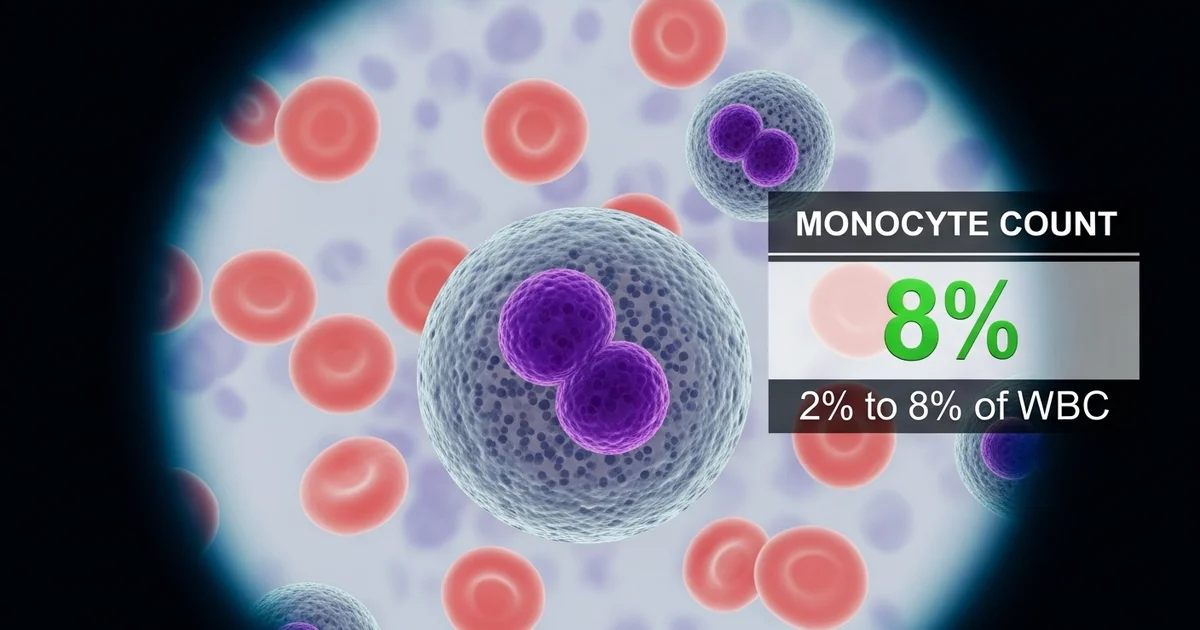
Direct answer: A monocyte blood test measures the number of monocytes, a type of white blood cell, in your blood. Monocytes are part of your immune system, acting as a 'cleanup crew' to fight infections, remove dead cells, and combat inflammation. A normal range is typically 2% to 8% of your white blood cells. Abnormal levels, either high (monocytosis) or low (monocytopenia), can indicate an underlying health issue, such as an infection, autoimmune disease, or certain cancers, requiring further medical evaluation.
TL;DR A monocyte blood test is a key part of a complete blood count (CBC) that measures a specific type of white blood cell responsible for fighting infection and inflammation. These cells are your body's 'cleanup crew,' engulfing pathogens and dead cells to keep you healthy. Doctors check monocyte levels to gain insight into your immune system's activity. An abnormal count doesn't diagnose a condition on its own but serves as an important clue, prompting further investigation to find the root cause.
- Monocytes are large white blood cells made in your bone marrow that circulate in the bloodstream before moving into tissues, where they become macrophages.
- A normal monocyte count is typically between 2% and 8% of your total white blood cell count. This can also be expressed as an absolute count, usually 200 to 800 cells per microliter of blood.
- High monocyte levels (monocytosis) are often linked to chronic infections (like tuberculosis), autoimmune diseases (like lupus or rheumatoid arthritis), and certain types of leukemia.
- Low monocyte levels (monocytopenia) are less common but can be caused by bone marrow problems, certain cancers, or treatments like chemotherapy and radiation.
- The test itself is a simple blood draw, usually from a vein in your arm, and requires no special preparation like fasting.
- Results are interpreted alongside other components of your CBC and your overall health profile to determine if there is an underlying issue that needs to be addressed.
Want the full explanation? Keep reading ↓
What Are Monocytes and Why Are They Important?
Your blood contains a powerful army of cells working around the clock to keep you healthy. Among the most important soldiers in this army are the monocytes, a type of white blood cell that acts as your body's dedicated cleanup crew and first responder.
When your doctor orders a complete blood count (CBC), the monocyte count is a key part of the differential, which breaks down the different types of white blood cells. Monocytes are the largest type of white blood cell and play a critical role in your immune system. They are versatile defenders, capable of engulfing germs, clearing away dead cells, and signaling other immune cells to join the fight.
Think of monocytes as the sanitation workers and emergency dispatchers of your body. They patrol your bloodstream, ready to spring into action at the first sign of trouble, whether it's an invading virus, a bacterial infection, or cellular debris from an injury. Understanding your monocyte levels can provide valuable clues about your body's inflammatory status and overall immune health.
Understanding Your Monocyte Results: A Guide to the Numbers
When you receive your lab report, your monocyte count will typically be presented in two ways: as an absolute count and as a percentage. Both values are important for a complete picture.
- Absolute Monocyte Count: This is the total number of monocytes in a specific volume of blood. It's considered the more clinically relevant value because it isn't affected by changes in other white blood cell populations.
- Monocyte Percentage: This number represents the proportion of monocytes relative to your total white blood cell count. A change in this percentage could be due to a shift in your monocyte count or a shift in another type of white blood cell.
It's crucial to remember that reference ranges can vary slightly between laboratories. Always compare your results to the specific range provided on your lab report.
Monocyte Reference Ranges
| Population | Normal Range (Absolute) | Normal Range (Percentage) | Units |
|---|---|---|---|
| Adults | 200 - 950 | 2 - 10 | cells/mcL and % |
| Newborns (0-1 month) | 400 - 3100 | 5 - 13 | cells/mcL and % |
| Children (1-18 years) | 200 - 1100 | 2 - 11 | cells/mcL and % |
| Pregnancy | 200 - 1200 | 3 - 12 | cells/mcL and % |
Note: cells/mcL stands for cells per microliter of blood. Some labs may use the unit x 10^9/L, where the adult range would be approximately 0.2 - 1.0 x 10^9/L.
The Critical Roles of Monocytes: More Than Just Cleanup
Monocytes are produced in your bone marrow and circulate in your bloodstream for a few days before migrating into various body tissues. Once they leave the blood, they transform into more specialized cells called macrophages or dendritic cells, each with a unique job.
Their primary functions include:
- Phagocytosis: This is the process of "eating" and digesting harmful invaders like bacteria, viruses, fungi, and cellular debris. Macrophages are the primary cells responsible for this cleanup duty.
- Antigen Presentation: After engulfing a pathogen, monocytes and dendritic cells present pieces of it (antigens) to other immune cells, like T-lymphocytes. This acts as a "wanted poster," training the adaptive immune system to recognize and mount a targeted attack against that specific threat.
- Inflammation and Healing: Monocytes release signaling proteins called cytokines that help regulate inflammation. They are crucial for both initiating the inflammatory response to fight infection and for resolving it to begin the tissue repair process.
- Tumor Surveillance: These vigilant cells can recognize and destroy cancerous cells, playing a role in preventing tumor growth.
Concerned About High Monocyte Levels? Understanding Monocytosis
If your lab report shows a monocyte count above the normal range, the condition is called monocytosis. In most cases, this is not a cause for alarm but rather a sign that your immune system is actively working to resolve an issue.
Monocytosis indicates that your body has ramped up the production of these "cleanup" cells in response to a specific trigger. A healthcare provider will interpret this result in the context of your overall health, other lab values, and any symptoms you may be experiencing.
Could an Infection Be the Cause?
The most common reason for a high monocyte count is an infection. Monocytes are front-line defenders against a wide variety of pathogens.
Common infectious causes of monocytosis include:
- Viral Infections: Particularly those known for causing persistent inflammation, such as Epstein-Barr virus (which causes mononucleosis), cytomegalovirus (CMV), measles, and mumps.
- Bacterial Infections: Chronic bacterial infections are a frequent cause. Examples include tuberculosis, syphilis, and subacute bacterial endocarditis (an infection of the heart valves).
- Fungal and Parasitic Infections: Systemic fungal infections or parasitic diseases like malaria can also trigger a significant monocyte response.
- Recovery Phase: It's common to see a temporary spike in monocytes during the recovery phase of an acute infection, as they work to clear out the remaining dead cells and debris.
Is Chronic Inflammation Behind Your High Monocytes?
If an infection has been ruled out, your doctor may consider chronic inflammatory or autoimmune conditions. In these diseases, the immune system mistakenly attacks the body's own tissues, leading to persistent inflammation and a sustained demand for monocytes.
Autoimmune diseases associated with monocytosis include:
- Inflammatory Bowel Disease (IBD): Both Crohn's disease and ulcerative colitis involve chronic inflammation of the digestive tract.
- Rheumatoid Arthritis (RA): An autoimmune disorder causing inflammation in the joints.
- Lupus (Systemic Lupus Erythematosus): A systemic autoimmune disease that can affect the joints, skin, kidneys, and other organs.
- Sarcoidosis: A condition characterized by the growth of tiny collections of inflammatory cells (granulomas) in different parts of the body.
When High Monocytes Signal a More Serious Condition
While less common, a persistently and significantly high monocyte count can sometimes be a marker for a hematologic (blood-related) disorder or certain cancers. This is especially true if other blood cell counts are also abnormal.
It is critical to understand that monocytosis alone does not diagnose cancer. A comprehensive evaluation by a hematologist is required.
Conditions to consider include:
- Chronic Myelomonocytic Leukemia (CMML): This is a rare type of blood cancer characterized by a very high number of monocytes in the blood. It primarily affects older adults.
- Other Leukemias: Acute monocytic leukemia and Hodgkin's lymphoma can also feature elevated monocyte counts.
- Myelodysplastic Syndromes (MDS): A group of disorders where the bone marrow does not produce enough healthy blood cells.
Checklist of Other Potential Causes for Monocytosis
| Cause | Description |
|---|---|
| Post-Surgery or Trauma | The body's healing process involves clearing away damaged tissue, a job for which monocytes are essential. |
| Splenectomy | After the spleen is removed, the body may compensate by increasing the number of circulating monocytes. |
| Certain Medications | Some drugs, including corticosteroids, can influence white blood cell counts and may temporarily raise monocyte levels. |
| Chronic Stress | Prolonged physical or emotional stress can lead to low-grade inflammation and modest elevations in monocytes. |
| Cardiovascular Disease | Monocytes play a role in the development of atherosclerosis (plaque buildup in arteries), and levels may be elevated in individuals with heart disease. |
Worried About Low Monocyte Levels? What Monocytopenia Means
A monocyte count below the normal reference range is called monocytopenia. This condition is less common than monocytosis and can indicate a problem with the body's ability to produce these important immune cells or a situation where they are being consumed too quickly.
A low monocyte count can leave you more susceptible to certain types of infections. Your doctor will investigate the underlying cause to determine the best course of action.
Could a Bone Marrow Problem Be Lowering Your Monocytes?
Since monocytes originate in the bone marrow, any condition that damages or suppresses bone marrow function can lead to monocytopenia. This often affects the production of other blood cells as well, such as red blood cells and platelets.
Causes related to bone marrow suppression include:
- Chemotherapy and Radiation Therapy: These cancer treatments are designed to kill rapidly dividing cells, which can include healthy cells in the bone marrow. Monocyte counts typically fall during treatment and recover afterward.
- Aplastic Anemia: A rare but serious condition where the bone marrow fails to produce enough new blood cells of all types.
- Certain Leukemias: Some types of leukemia, such as hairy cell leukemia, can infiltrate the bone marrow and disrupt normal cell production, leading to low monocyte counts.
Are Medications or Overwhelming Infections to Blame?
Beyond direct bone marrow issues, other factors can lead to a decrease in circulating monocytes. These cells may be used up faster than they can be replaced or their production may be suppressed.
Possible causes include:
- Severe, Overwhelming Infections: In cases of sepsis, the body's massive immune response can consume white blood cells, including monocytes, at an accelerated rate, leading to a drop in their numbers.
- Medications: Long-term or high-dose use of steroid medications (corticosteroids) can suppress the immune system and lower monocyte counts.
- Genetic Conditions: Very rare genetic disorders can impair the bone marrow's ability to produce monocytes.
What to Do About Abnormal Monocyte Levels
An abnormal monocyte count is a clinical clue, not a diagnosis. The single most important step is to discuss the results with your healthcare provider.
Follow-up actions may include:
- Reviewing Your Health History: Your doctor will ask about recent illnesses, chronic conditions, medications, and lifestyle factors.
- Performing a Physical Exam: A thorough physical examination can reveal signs of infection or inflammation.
- Repeating the CBC: A single abnormal result may be temporary. Repeating the test can show if the count is trending up, down, or returning to normal.
- Ordering Further Tests: Depending on the clinical picture, your doctor may order additional tests, such as a peripheral blood smear (to look at the cells under a microscope), inflammatory markers (like C-reactive protein), or specific tests for infections.
- Referral to a Specialist: If a blood disorder or autoimmune condition is suspected, you may be referred to a hematologist or rheumatologist for further evaluation.
The key is not to panic. Most fluctuations in monocyte levels are temporary and related to common, treatable conditions like infections.
Frequently Asked Questions
What is the most common cause of abnormal Monocytes levels?
The most common cause of an elevated monocyte count (monocytosis) is a current or recent infection. Monocytes are a key part of the immune response, and their numbers increase as they work to fight off pathogens like viruses and bacteria. Chronic inflammation from autoimmune diseases is another frequent cause. Conversely, a low monocyte count (monocytopenia) is much less common. It is often seen in the context of treatments that suppress the bone marrow, such as chemotherapy, or from certain medications like long-term steroids.
How often should I get my Monocytes tested?
For a healthy individual with no symptoms, monocyte levels are typically checked only as part of a routine complete blood count (CBC) during a general health check-up, which may be done every few years. However, if you are being treated for an infection, an inflammatory condition, or a blood disorder, your doctor will likely order more frequent CBC tests to monitor your response to treatment and track your immune status. There is no standard recommendation for testing only monocytes; it is almost always evaluated as part of a full CBC panel.
Can lifestyle changes improve my Monocytes levels?
While you cannot directly target monocytes with specific foods or exercises, a healthy lifestyle supports a balanced immune system, which can help keep all your white blood cell counts in a healthy range. If your monocytes are high due to chronic inflammation, anti-inflammatory lifestyle changes may be beneficial. This includes eating a balanced diet rich in fruits, vegetables, and omega-3 fatty acids; getting regular moderate exercise; managing stress through techniques like mindfulness or yoga; and ensuring adequate sleep. If your levels are abnormal due to an underlying medical condition, lifestyle changes are supportive but are not a substitute for medical treatment prescribed by your doctor.
Medical Disclaimer
This article is for educational purposes only. Always consult a healthcare professional.