Understanding Your Low Lymphocyte Count and What It Means
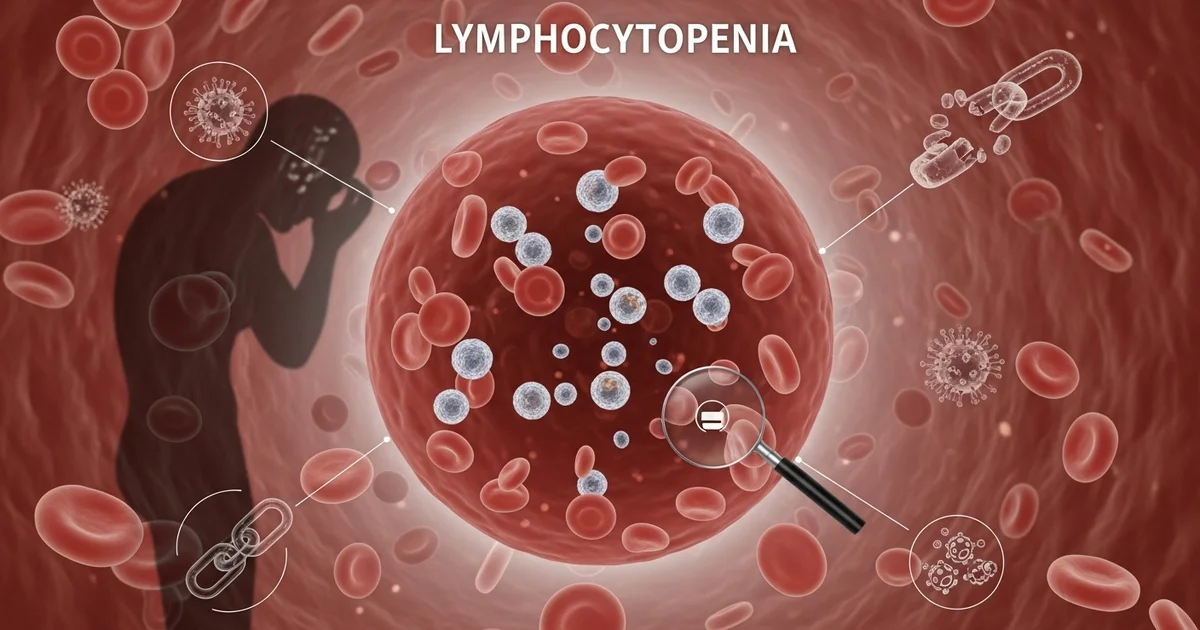
Direct answer: Low lymphocytes, a condition called lymphocytopenia, means you have a lower-than-normal number of these white blood cells in your blood. Since lymphocytes are crucial for fighting infections, a low count can increase your risk of getting sick. It is often a temporary issue caused by stress or a common cold, but it can also signal more serious underlying conditions like autoimmune disorders, chronic infections, or certain cancers. A doctor can determine the specific cause through further testing.
TL;DR A low lymphocyte count, medically known as lymphocytopenia, indicates a reduced number of a specific type of white blood cell essential for your immune system. These cells are your body's primary defense against viruses, bacteria, and other pathogens. While a slightly low count can be temporary and harmless, often resulting from stress or a recent illness, a persistently low level can weaken your immune defenses and may point to an underlying health issue that requires medical attention.
What It Is: Lymphocytopenia is a count of less than 1,500 lymphocytes per microliter of blood in adults, though normal ranges can vary slightly by lab.
Common Causes: Frequent causes include viral infections like the common cold or flu, intense physical or emotional stress, poor nutrition (especially protein or zinc deficiencies), and aging.
Serious Causes: It can also be a sign of more significant conditions, such as autoimmune diseases (like lupus or rheumatoid arthritis), chronic infections (like HIV or tuberculosis), certain cancers (like lymphoma or leukemia), or their treatments (chemotherapy/radiation).
Symptoms: Lymphocytopenia itself often has no symptoms. Symptoms that do appear are usually related to the underlying cause, such as fever from an infection or joint pain from an autoimmune disorder.
Increased Risk: The main risk of a low count is a higher susceptibility to infections, which may be more frequent, severe, or harder to treat.
Diagnosis & Treatment: A doctor diagnoses it with a complete blood count (CBC) test. Treatment isn't for the low count itself but focuses on managing or resolving the underlying cause, such as treating an infection or adjusting medication.
Want the full explanation? Keep reading ↓
Understanding Low Lymphocyte Levels (Lymphocytopenia)
Lymphocytopenia is the medical term for having a lower-than-normal number of lymphocytes in your blood. Lymphocytes are a crucial type of white blood cell that forms the backbone of your adaptive immune system, defending your body against bacteria, viruses, and other threats. A low count is a common finding on a complete blood count (CBC) and can be temporary and harmless or a sign of an underlying medical condition.
Understanding your lymphocyte count begins with knowing the normal ranges, which can vary by age and the laboratory performing the test. While a relative percentage is often reported, the absolute lymphocyte count (ALC) is the most clinically significant value for diagnosing lymphocytopenia.
What is a Low Lymphocyte Count?
A low lymphocyte count means the absolute number of these immune cells circulating in your blood is below the established lower limit of the normal range. Because lymphocytes are a diverse group of cells, it's helpful to understand that they include [T-cells, B-cells, and NK cells, each with a unique role] in protecting your health. A deficiency in any of these subtypes can contribute to an overall low count.
Below are the typical reference ranges for absolute lymphocyte counts. It is critical to compare your results to the specific range provided by your laboratory.
| Population | Normal Absolute Range | Units | Notes |
|---|---|---|---|
| Adults | 1,000 - 4,800 | cells/µL | Varies slightly between labs |
| Children (1-12 yrs) | 1,500 - 8,000 | cells/µL | Higher counts are normal in young children |
| Infants (<1 yr) | 2,000 - 11,000 | cells/µL | Highest during the first year of life |
| Elderly (>65 yrs) | 800 - 3,500 | cells/µL | Tends to decrease gradually with age |
Note: The unit "cells/µL" (cells per microliter) may also be written as "cells/mm³" or "x 10⁹/L" (e.g., 1.0-4.8 x 10⁹/L).
Noticing the Signs? Symptoms of Lymphocytopenia
Most people with mild lymphocytopenia have no symptoms at all. The low count is often discovered incidentally on a CBC ordered for a routine check-up or another medical reason.
When symptoms do occur, they are typically not from the low lymphocyte count itself but from the underlying cause or from the consequences of a weakened immune system. If your lymphocytopenia is moderate to severe or has been present for a long time, you might experience:
- Frequent or Recurrent Infections: This is the most common sign. You may get colds, flu, or other minor infections more often than usual.
- Unusual or Severe Infections: Infections with organisms that don't typically cause illness in people with healthy immune systems (opportunistic infections).
- Skin Rashes: Conditions like eczema or skin infections may be more common.
- Symptoms of an Underlying Condition: You may have fever, joint pain, or night sweats related to an autoimmune disorder or other illness causing the lymphocytopenia.
What Causes a Low Lymphocyte Count?
The causes of lymphocytopenia are incredibly diverse, ranging from common and temporary issues to chronic and serious diseases. They are broadly categorized into acquired (something you develop) and inherited (something you are born with) conditions.
Acquired Causes: The Most Common Culprits
Acquired lymphocytopenia is far more common than inherited forms. Your low count could be a temporary response to an infection or a side effect of a medication.
Viral, Bacterial, and Fungal Infections
Your immune system is a dynamic environment. While some viral infections are famous for causing [high lymphocyte counts as your body fights back], many others can cause a temporary drop.
- Acute Viral Infections: Common viruses like influenza (the flu), rhinovirus (the common cold), and respiratory syncytial virus (RSV) can cause a brief dip in lymphocytes. The cells are busy migrating from the blood to the site of infection to do their job.
- Chronic Viral Infections: HIV is a classic cause of severe lymphocytopenia, as the virus specifically targets and destroys CD4+ T-cells. Hepatitis viruses can also lead to lower counts.
- Severe Systemic Infections (Sepsis): Overwhelming bacterial or fungal infections can lead to sepsis, a life-threatening condition where lymphocytes are rapidly consumed or destroyed.
Medications and Medical Treatments
Many medications and treatments can suppress the bone marrow (where lymphocytes are made) or destroy existing lymphocytes. This is often an intended effect, especially in treating autoimmune diseases or cancer.
| Medication/Treatment Class | Examples | Why it Causes Lymphocytopenia |
|---|---|---|
| Corticosteroids | Prednisone, Dexamethasone | Causes lymphocytes to be redistributed out of the bloodstream and can induce cell death (apoptosis). |
| Chemotherapy | Cyclophosphamide, Methotrexate, Fludarabine | These cytotoxic drugs are designed to kill rapidly dividing cells, including cancer cells and lymphocytes. |
| Immunosuppressants | Tacrolimus, Cyclosporine, Azathioprine | Used after organ transplants and for autoimmune disease to intentionally weaken the immune response. |
| Radiation Therapy | Whole-body or targeted radiation | Radiation is highly damaging to lymphocytes, which are very radiosensitive cells. |
| Biologic Therapies | Rituximab, Alemtuzumab | These are targeted antibodies that specifically find and destroy certain types of lymphocytes (e.g., B-cells). |
Autoimmune Disorders
In autoimmune diseases, the immune system mistakenly attacks the body's own healthy tissues. This self-attack can also target lymphocytes, or the underlying inflammation can disrupt normal lymphocyte production and survival.
Common autoimmune causes include:
- Systemic Lupus Erythematosus (SLE): A well-known cause of lymphocytopenia.
- Rheumatoid Arthritis: Chronic inflammation can affect lymphocyte counts.
- Sjögren's Syndrome
- Sarcoidosis
Nutritional Deficiencies
The production of healthy immune cells requires adequate nutrients. A deficiency in certain key minerals and nutrients can impair your body's ability to make enough lymphocytes.
- Zinc Deficiency: Zinc is critical for the development and function of T-cells.
- Protein-Energy Malnutrition: Severe malnourishment can lead to broad suppression of the immune system.
- Excessive Alcohol Intake: Chronic, heavy alcohol use is toxic to the bone marrow and can directly suppress lymphocyte production.
Other Acquired Causes
- Major Physical Stress: Events like major surgery, severe trauma, or critical illness can trigger the release of cortisol (a natural steroid), leading to a temporary drop in lymphocytes.
- Kidney Disease: Advanced kidney disease can impair immune function.
- Cancers: Cancers of the blood and lymphatic system, such as lymphoma (especially Hodgkin lymphoma) and some leukemias, can originate in the bone marrow and crowd out normal cell production.
Inherited Causes: When It Runs in the Family
Inherited or congenital causes of lymphocytopenia are rare. They involve genetic mutations that severely impair the development or function of the immune system from birth. These are typically diagnosed in infancy or early childhood due to severe, recurrent infections.
Examples include:
- Severe Combined Immunodeficiency (SCID): Often called "bubble boy" disease, this is a group of disorders characterized by a near-total absence of T-cell function.
- DiGeorge Syndrome
- Wiskott-Aldrich Syndrome
- Ataxia-Telangiectasia
The Risks of Persistently Low Lymphocytes
A single, slightly low lymphocyte reading is usually not a cause for concern. The real risk comes from lymphocytopenia that is severe, persistent, and unexplained. The primary danger is a weakened immune defense.
- Increased Risk of Infections: This is the most direct consequence. The lower your lymphocyte count (especially T-cells), the more vulnerable you are to a wide range of infections, including those that are rare in the general population (opportunistic infections).
- Reactivation of Latent Viruses: Viruses like Epstein-Barr virus (EBV), cytomegalovirus (CMV), and varicella-zoster (shingles) can remain dormant in the body for life, held in check by T-cells. Severe lymphocytopenia can allow them to reactivate.
- Increased Risk of Autoimmunity and Cancer: Chronic lymphocytopenia can be a sign of an underlying autoimmune disease or malignancy. In some cases, the impaired immune surveillance itself may increase the long-term risk of developing certain cancers.
Found a Low Count? Your Doctor's Next Steps
Discovering you have a low lymphocyte count can be worrying, but it's important to approach it systematically. Your healthcare provider will act as a detective to determine if the finding is significant and what might be causing it.
Step 1: Review and Repeat the Test The first step is often the simplest: confirming the result. Your doctor will review your medical history for obvious causes (like a recent cold or a new medication) and will likely order a repeat CBC in a few weeks. Many cases of mild lymphocytopenia are transient and will resolve on their own, returning to a [normal lymphocyte count and percentage] without any intervention.
Step 2: Clinical Evaluation and History If the count remains low, your doctor will perform a thorough physical exam and ask detailed questions about:
- Recent illnesses or infections
- All medications, including over-the-counter drugs and supplements
- Family history of immune disorders
- Diet and alcohol consumption
- Any other symptoms like fever, weight loss, or joint pain
Step 3: Advanced Laboratory Testing Based on your history and exam, your doctor may order more specific tests to investigate the cause:
- Peripheral Blood Smear: A pathologist examines a sample of your blood under a microscope to look at the size, shape, and appearance of your blood cells for abnormalities.
- Lymphocyte Subset Analysis (Flow Cytometry): This is a key test that counts the different types of lymphocytes: T-cells (and their subtypes, CD4 and CD8), B-cells, and NK cells. This can pinpoint which part of your adaptive immune system is affected.
- Infectious Disease Screening: Testing for HIV, hepatitis B and C, and other viruses.
- Autoimmune Markers: Blood tests like an Antinuclear Antibody (ANA) test to screen for autoimmune conditions like lupus.
- Nutritional Testing: Measuring levels of zinc and other nutrients if a deficiency is suspected.
Step 4: Referral to a Specialist If the cause isn't obvious or if the lymphocytopenia is severe, you will likely be referred to a specialist.
- A Hematologist specializes in blood disorders and cancers.
- An Immunologist specializes in disorders of the immune system.
How is Lymphocytopenia Managed or Treated?
The treatment for lymphocytopenia focuses almost entirely on addressing the underlying cause.
- If caused by an infection: The count will typically return to normal after the infection resolves.
- If caused by a medication: Your doctor may switch you to a different drug if possible. For essential treatments like chemotherapy, the low count is an expected side effect that is carefully monitored.
- If caused by a nutritional deficiency: Supplementation with the deficient nutrient (e.g., zinc) can correct the count.
- If caused by an autoimmune disease: Treating the autoimmune condition with appropriate medications can help normalize the lymphocyte count.
- If caused by a rare genetic disorder: Treatment is highly specialized and may involve bone marrow transplant or immunoglobulin replacement therapy.
For those with severe, chronic lymphocytopenia, doctors may prescribe prophylactic antibiotics or antiviral medications to prevent infections from occurring.
Frequently Asked Questions
What is the most common cause of abnormal Lymphocytes levels?
The most common cause of a temporary change in lymphocyte levels—both high and low—is an acute viral infection. Many common viruses, like the flu or even the common cold, can cause a transient drop in lymphocytes as the cells move to the site of infection. Conversely, other viruses like mononucleosis (EBV) classically cause a high lymphocyte count.
How often should I get my Lymphocytes tested?
There is no standard recommendation for the general public to get their lymphocytes tested at a specific interval. A lymphocyte count is part of a complete blood count (CBC), which is typically ordered during an annual physical, before a surgical procedure, or when you are feeling unwell to investigate symptoms like fatigue, fever, or infection. If you have a known medical condition that affects lymphocyte counts or are on a medication that suppresses the immune system, your doctor will establish a specific monitoring schedule for you.
Can lifestyle changes improve my Lymphocytes levels?
Yes, to an extent. If your lymphocytopenia is related to lifestyle factors, certain changes can be very effective. The most impactful changes include moderating or ceasing alcohol consumption if it is excessive and correcting any nutritional deficiencies by eating a balanced diet rich in protein, vitamins, and minerals like zinc. Managing chronic stress and getting adequate sleep also support overall immune health, though they may not directly reverse lymphocytopenia from a major medical condition.
Medical Disclaimer
This article is for educational purposes only. Always consult a healthcare professional.