Understanding Your Low Neutrophil Count and What It Means
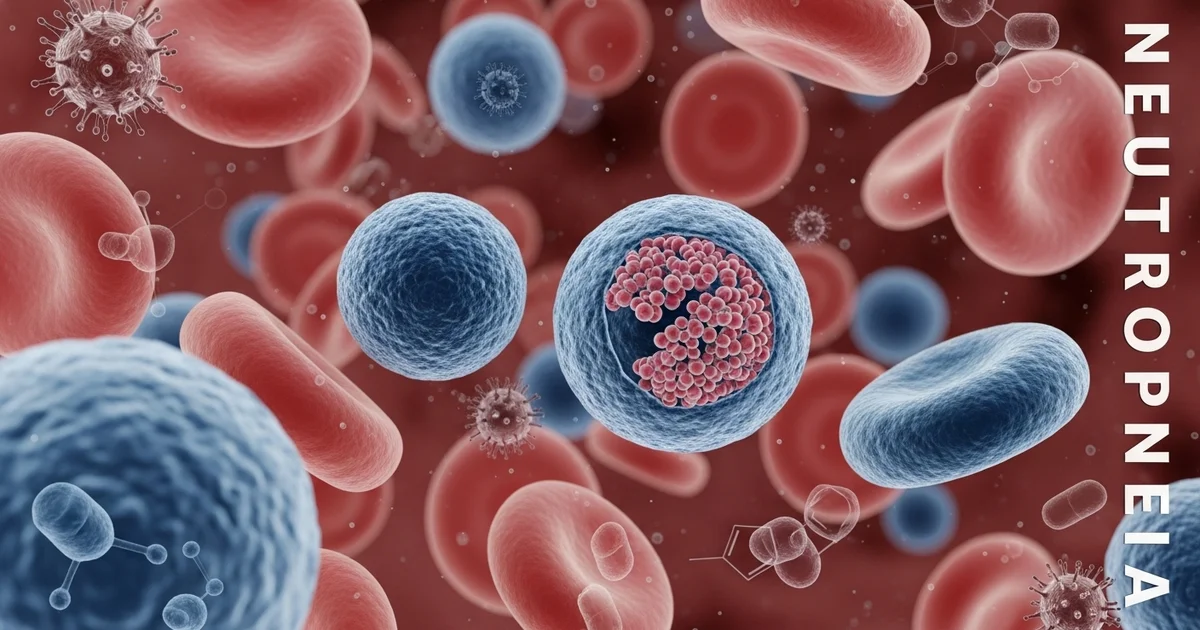
Direct answer: Low neutrophils, a condition called neutropenia, often signals that your body is fighting a viral infection, such as the flu or mono. It can also be a side effect of certain medications, including chemotherapy drugs, some antibiotics, and diuretics. This decrease in white blood cells can temporarily weaken your immune system. A doctor can determine the specific cause through a complete blood count (CBC) test and review of your health history.
TL;DR A low neutrophil count, or neutropenia, means you have fewer of a key type of white blood cell responsible for fighting infections, especially those caused by bacteria. While a low count can be concerning, it's often a temporary issue caused by common factors. The two most frequent culprits are viral infections that disrupt bone marrow production and side effects from various medications.
- Viral Infections: Viruses like influenza, Epstein-Barr (mono), hepatitis, and measles can cause a temporary drop in neutrophil levels as your body works to fight off the illness.
- Medication Side Effects: Many drugs can suppress bone marrow function, leading to neutropenia. This is a well-known side effect of chemotherapy but can also be caused by some antibiotics, anti-inflammatory drugs, and medications for mental health conditions.
- Bone Marrow Issues: More serious, chronic neutropenia can result from problems within the bone marrow where neutrophils are made. This includes conditions like aplastic anemia or certain cancers like leukemia.
- Autoimmune Disorders: In some cases, the body's own immune system mistakenly attacks and destroys neutrophils, a characteristic of autoimmune diseases like lupus or rheumatoid arthritis.
- Nutritional Deficiencies: Severe deficiencies in vitamin B12, folate, or copper can impair the body's ability to produce enough healthy neutrophils.
- Congenital Conditions: Rarely, a person can be born with a genetic condition that causes chronic low neutrophil counts from birth.
Want the full explanation? Keep reading ↓
Low Neutrophils: Viral Infections and Medication Side Effects
A complete blood count (CBC) is one of the most frequently ordered lab tests, offering a crucial window into your overall health. When your results show a low neutrophil count, it's natural to feel concerned. Neutrophils are the most abundant type of white blood cell and serve as your immune system's first line of defense, especially against bacteria.
A low neutrophil count, a condition known as neutropenia, can increase your risk of infection. While it can be a sign of a serious underlying condition, it is most often a temporary and benign finding caused by common viral infections or as a side effect of certain medications. Understanding these two primary causes can help demystify your lab results and guide your conversation with your healthcare provider.
Decoding Your Lab Report: Neutropenia Ranges and Severity
When you receive your lab report, you may see neutrophils reported as a percentage of total white blood cells and as an absolute count. The Absolute Neutrophil Count (ANC) is the most important value for assessing your immune status, as it reflects the total number of bacteria-fighting cells available in your blood. You can learn more about the specifics of the [neutrophil absolute count and its role in bacterial defense] in our detailed guide.
Neutropenia is clinically defined by the ANC. The severity is categorized to help determine the risk of infection.
| Level of Neutropenia | Absolute Neutrophil Count (ANC) | Units | Infection Risk |
|---|---|---|---|
| Normal Range | 1,500 - 8,000 | cells/µL | Normal |
| Mild Neutropenia | 1,000 - 1,500 | cells/µL | Mildly increased |
| Moderate Neutropenia | 500 - 1,000 | cells/µL | Moderately increased |
| Severe Neutropenia | Less than 500 | cells/µL | Significantly increased |
Note: Reference ranges can vary slightly between laboratories. Always compare your results to the range provided on your specific lab report.
A finding of neutropenia indicates a lower-than-normal number of these critical immune cells, whereas the opposite condition, neutrophilia, signifies a high count. For a broader understanding of these conditions, it's helpful to compare them to the [normal neutrophil range and the definitions of neutropenia vs. neutrophilia].
Is a Virus Causing Your Neutrophils to Drop?
One of the most frequent causes of a temporary dip in neutrophil count is a recent or active viral infection. While bacterial infections typically cause neutrophil levels to spike, many viruses have the opposite effect, leading to mild or moderate neutropenia.
This happens for a few key reasons:
- Decreased Bone Marrow Production: Viruses can temporarily suppress the bone marrow, which is the factory where all blood cells, including neutrophils, are made.
- Increased Consumption: The immune system redirects neutrophils to tissues to fight the virus, removing them from the circulating blood where they are measured.
- Margination: Neutrophils can temporarily cling to the walls of blood vessels, a process called margination, making them "invisible" to a blood draw.
This viral-induced neutropenia is typically short-lived. The count often drops a few days after symptoms begin and returns to normal within one to two weeks after you recover from the illness.
Common Viral Culprits Behind Low Neutrophils
A wide range of common viruses can be responsible for a transient drop in your neutrophil count. If you have recently been sick, your low neutrophil finding is likely related.
Viruses frequently associated with neutropenia include:
- Influenza (The Flu): A very common cause of temporary neutropenia during the acute illness.
- Epstein-Barr Virus (EBV): The virus that causes infectious mononucleosis ("mono").
- COVID-19: Neutropenia has been observed in some patients, particularly during the early stages of infection.
- Hepatitis Viruses: Hepatitis A, B, and C can all suppress bone marrow function.
- Varicella-Zoster Virus: The cause of chickenpox and shingles.
- Measles, Mumps, and Rubella: These classic childhood viruses are also known to cause neutropenia.
- Human Immunodeficiency Virus (HIV): Chronic HIV infection can lead to persistent neutropenia through multiple mechanisms.
During this period of temporary neutropenia, your body may be more vulnerable to a secondary bacterial infection. This is why it's important to rest, stay hydrated, and practice good hygiene while recovering from a viral illness.
Could Your Medications Be Lowering Your Neutrophil Count?
After viral infections, medications are the next major cause of neutropenia. Drug-induced neutropenia can range from mild and clinically insignificant to severe and life-threatening. It occurs through two primary pathways.
- Direct Bone Marrow Toxicity: Some drugs are inherently toxic to the rapidly dividing cells in the bone marrow. This effect is often predictable and dose-dependent, meaning higher doses or longer treatment duration increases the risk. Chemotherapy is the classic example.
- Idiosyncratic Immune Reaction: More commonly, a drug triggers an unpredictable immune response where the body produces antibodies that attack and destroy its own neutrophils. This type of reaction is not related to the dose and can happen at any time, though it often occurs within the first few months of starting a new medication.
Medications Frequently Linked to Neutropenia
A vast number of medications have been associated with neutropenia. If you have a new finding of low neutrophils, your doctor will carefully review your current medication list.
Key Drug Classes to Consider:
| Drug Category | Common Examples | Notes |
|---|---|---|
| Chemotherapy | Paclitaxel, Cisplatin, Doxorubicin | This is an expected and managed side effect of cancer treatment. Neutropenia is often most severe 7-14 days after a chemo cycle. |
| Antibiotics | Sulfamethoxazole/Trimethoprim (Bactrim), Penicillins, Vancomycin, Cephalosporins | Can cause an immune-mediated reaction. The count usually recovers after the antibiotic is stopped. |
| Antipsychotics | Clozapine, Risperidone, Olanzapine | Clozapine is famous for this risk and requires mandatory, strict weekly or bi-weekly blood monitoring. |
| Anti-inflammatory | Sulfasalazine, Gold Salts, high-dose NSAIDs (rarely) | Used for conditions like rheumatoid arthritis. |
| Antithyroid Drugs | Methimazole (Tapazole), Propylthouracil (PTU) | Used to treat hyperthyroidism. Patients are often warned to watch for signs of infection, like a sore throat or fever. |
| Anticonvulsants | Carbamazepine (Tegretol), Phenytoin (Dilantin), Valproic Acid (Depakote) | Used for seizures and mood stabilization. |
| Cardiovascular | Ticlopidine, Procainamide, Quinidine | These are less commonly used now, but remain known causes. |
What to Do if You Suspect Your Medication is the Cause
If your doctor suspects a medication is responsible for your low neutrophil count, the first step is a thorough review of your prescriptions and over-the-counter drugs.
- Do NOT stop any medication on your own. Abruptly stopping a prescribed drug can be dangerous. Always discuss this with your healthcare provider.
- Your doctor will weigh the risks and benefits of continuing the medication.
- If a drug is identified as the likely cause, it will typically be discontinued and, if necessary, replaced with an alternative.
- Your neutrophil count will be monitored, and it usually begins to recover within a week of stopping the offending agent.
Beyond Viruses and Medications: Other Reasons for Low Neutrophils
While viruses and drugs are the leading causes, persistent or severe neutropenia may point to other underlying issues. A thorough medical evaluation is necessary to distinguish a temporary dip from a more chronic problem.
Other potential causes include:
- Bone Marrow Disorders: Conditions that directly affect the bone marrow's ability to produce cells.
- Aplastic anemia
- Myelodysplastic syndromes (MDS)
- Leukemia
- Autoimmune Diseases: The immune system mistakenly attacks and destroys neutrophils.
- Lupus (SLE)
- Rheumatoid Arthritis (Felty's syndrome)
- Severe, Overwhelming Infections: In cases of sepsis, the body can use up neutrophils faster than the bone marrow can produce them. This is a critical state, contrasting with the typical rise in neutrophils seen in most bacterial infections, which is a sign of [high neutrophils due to infection, stress, and inflammation].
- Nutritional Deficiencies: Severe and prolonged deficiencies in vitamin B12, folate, or copper can impair cell production in the bone marrow.
- Benign Ethnic Neutropenia: Individuals of African, Middle Eastern, or West Indian descent may have a genetically lower baseline neutrophil count that is normal for them and is not associated with an increased risk of infection.
- Congenital Neutropenia: Rare genetic disorders present from birth that cause chronic, often severe, neutropenia.
Your doctor will use your medical history, physical exam, and follow-up lab tests to determine the cause and the appropriate next steps. In many cases, the only action needed is "watchful waiting"—repeating the CBC in a few weeks to see if the count has returned to normal.
Frequently Asked Questions
What is the most common cause of abnormal Neutrophils levels?
The most common cause of abnormal neutrophil levels depends on whether they are high or low. High neutrophils (neutrophilia) are most frequently caused by an acute bacterial infection, physical or emotional stress, or systemic inflammation. For low neutrophils (neutropenia), the most common causes are transient effects from a recent viral infection (like the flu or mono) or as a side effect of a medication.
How often should I get my Neutrophils tested?
For a healthy individual with no symptoms, neutrophils are typically checked as part of a routine complete blood count (CBC) during an annual physical or pre-operative screening. There is no need for more frequent testing unless you have a specific medical condition. If you are on a medication known to affect neutrophil counts (like clozapine or certain chemotherapy drugs), your doctor will order frequent, scheduled monitoring. If an abnormal result is found, your doctor will advise a repeat test, usually in a few weeks or months, to see if the value has normalized or if further investigation is needed.
Can lifestyle changes improve my Neutrophils levels?
For most causes of neutropenia, direct lifestyle changes have a limited impact on the count itself. However, a healthy lifestyle is crucial for supporting overall immune function, especially if your counts are low. This includes eating a balanced diet rich in vitamins and minerals to prevent nutritional deficiencies (B12, folate), getting adequate sleep, managing stress, and practicing excellent hygiene (e.g., frequent handwashing) to reduce your risk of infection. If your neutropenia is severe, your doctor may advise specific precautions, such as avoiding crowds or eating only well-cooked foods.
Medical Disclaimer
This article is for educational purposes only. Always consult a healthcare professional.